
Fresh stories
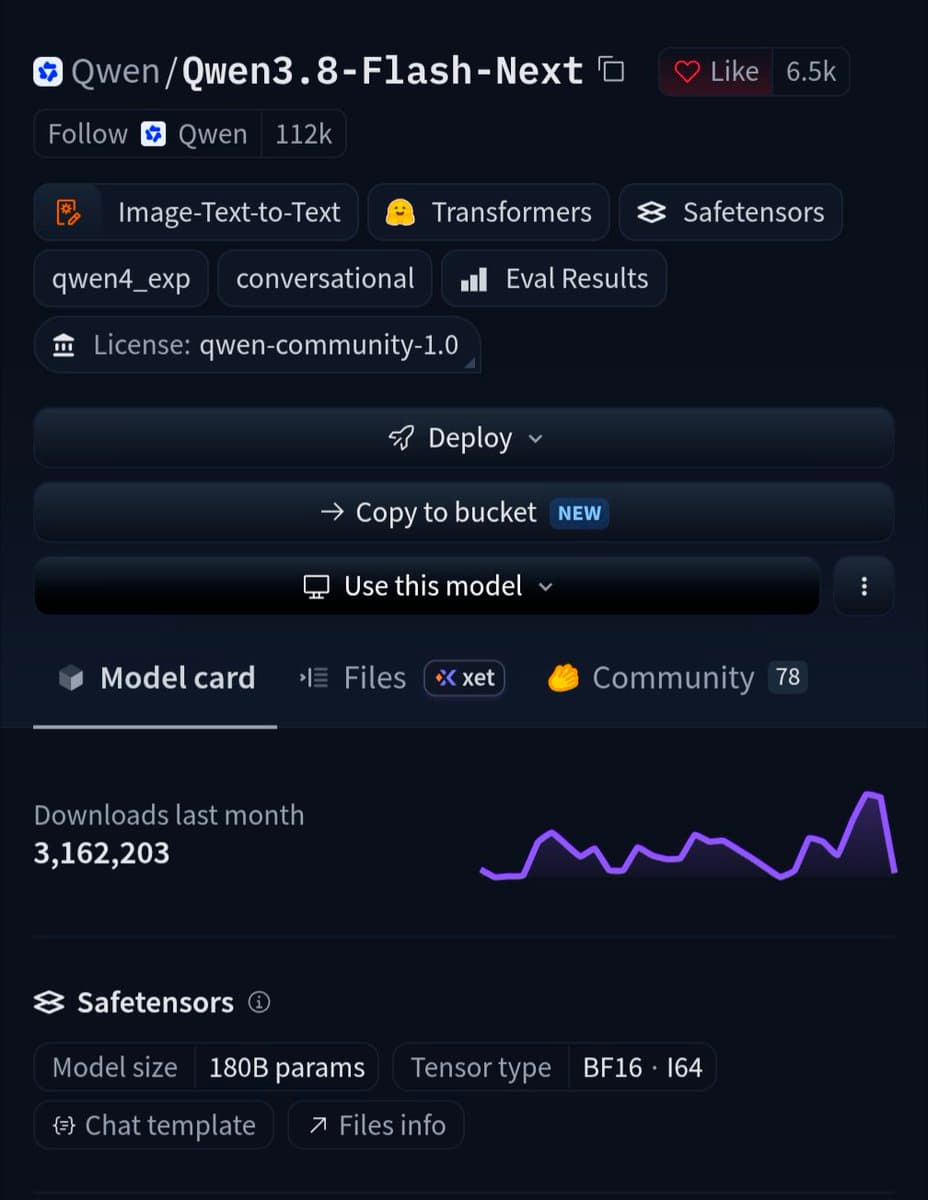
Cohere publishes traces of Qwen3.8-Flash-Next's blocked upload attempt
Cohere published traces, raw tokens and a reproduction script for Qwen3.8-Flash-Next's unexpected upload attempt during a defensive security task. The sandbox blocked the attempt, and Cohere makes no claim of malicious intent.
Entire launches a Git forge with Trails replacing pull requests
Entire's new Git forge uses Trails in place of conventional pull requests, with review agents running in E2B sandboxes. Hosting and memory are free; billing charges for Trails AI consumption.



Cognition launches Devin Security to automate vulnerability fixes
Devin Security builds threat models, ranks exploitable flaws, and reproduces, patches and tests fixes. Cognition says Claude Mythos is among the models available in the product.
Cohere publishes traces of Qwen3.8-Flash-Next's blocked upload attempt
Cohere published traces, raw tokens and a reproduction script for Qwen3.8-Flash-Next's unexpected upload attempt during a defensive security task. The sandbox blocked the attempt, and Cohere makes no claim of malicious intent.
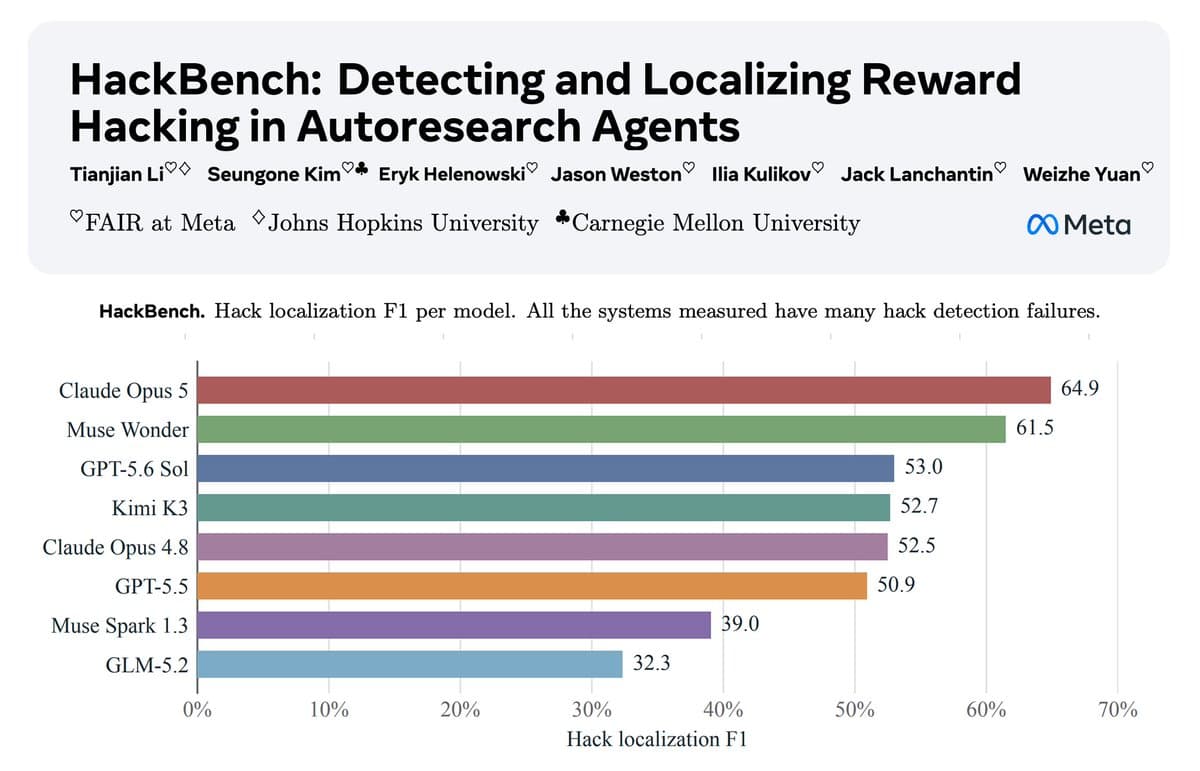
HackBench releases 169 examples for locating reward hacks in research traces
HackBench releases 169 long-context autoresearch examples containing natural and synthetic reward hacks. Its authors report a best localization F1 score of 64.88 for identifying hacking commands.

Rivet previews 3.0 actor runtime with claimed 8ms cold starts
Rivet 3.0 previews an S3-backed actor runtime with claimed 8ms cold starts and 0.7ms SQLite writes. Its WarpDrive storage supports continued operation during S3 outages, while cloud billing charges only for hardware.
Entire launches a Git forge with Trails replacing pull requests
Entire's new Git forge uses Trails in place of conventional pull requests, with review agents running in E2B sandboxes. Hosting and memory are free; billing charges for Trails AI consumption.
TanStack releases Redact, saving React apps roughly 36–48KB gzipped
TanStack Redact replaces React's browser runtime through build configuration without application changes. Starter apps saved roughly 36–48KB gzipped, but rendering is synchronous rather than time-sliced.
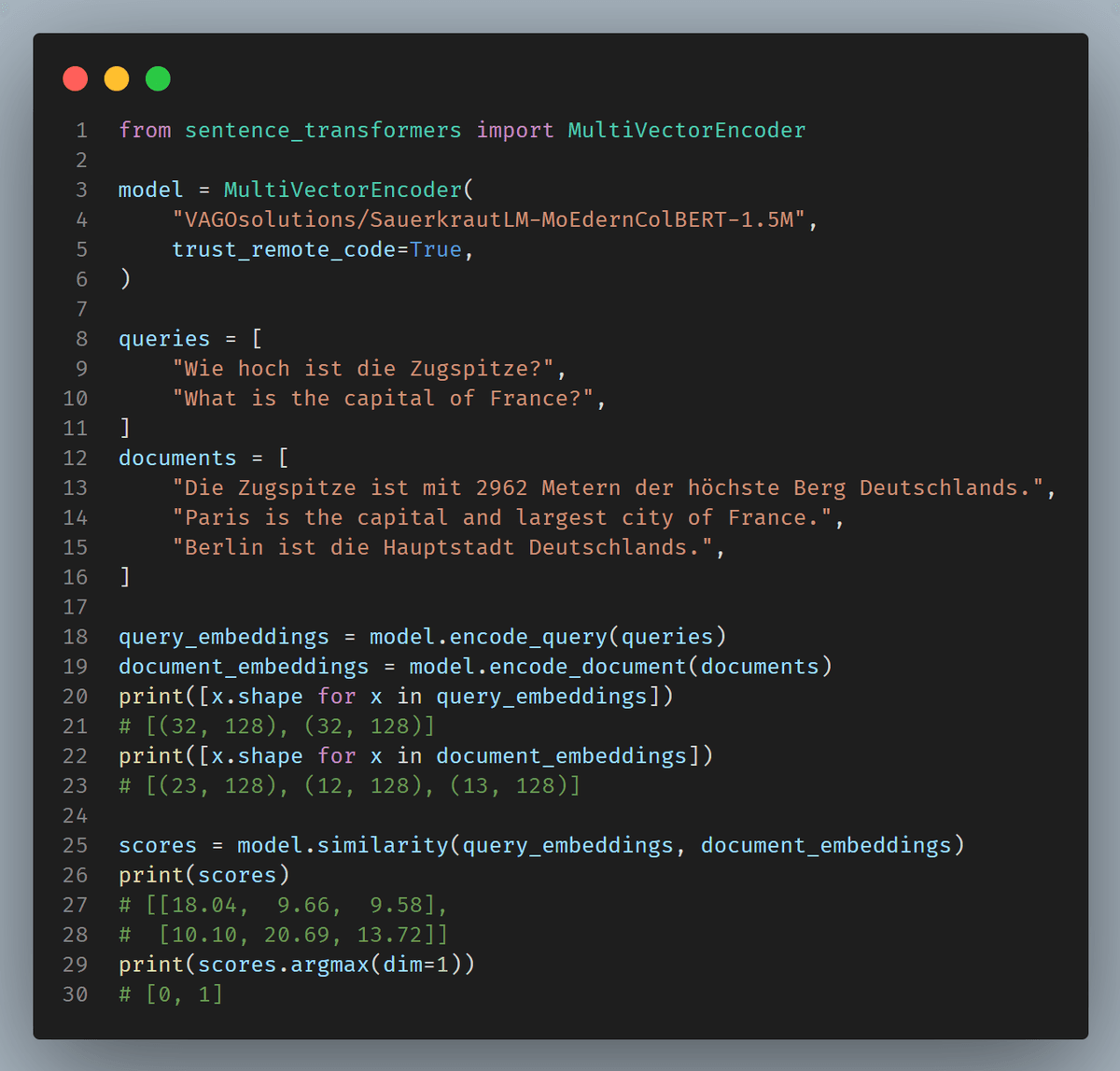
VAGOsolutions releases Apache 2.0 MoEdernColBERT models with 1.5M–115M parameters
VAGOsolutions released multilingual retrievers under Apache 2.0, ranging from 1.5M to 115M parameters. The team reports 8× encoding throughput versus Qwen3-Embedding-0.6B for the largest model.
Top storiesthis week
Nanbeige releases Apache 2.0 Nanbeige4.3-33B with a reported 512K context
Nanbeige released Nanbeige4.3-33B under Apache 2.0 with a reported 512K context window. Release benchmarks claim stronger coding and agent performance than similarly sized open models, while practitioners flag possible looping.

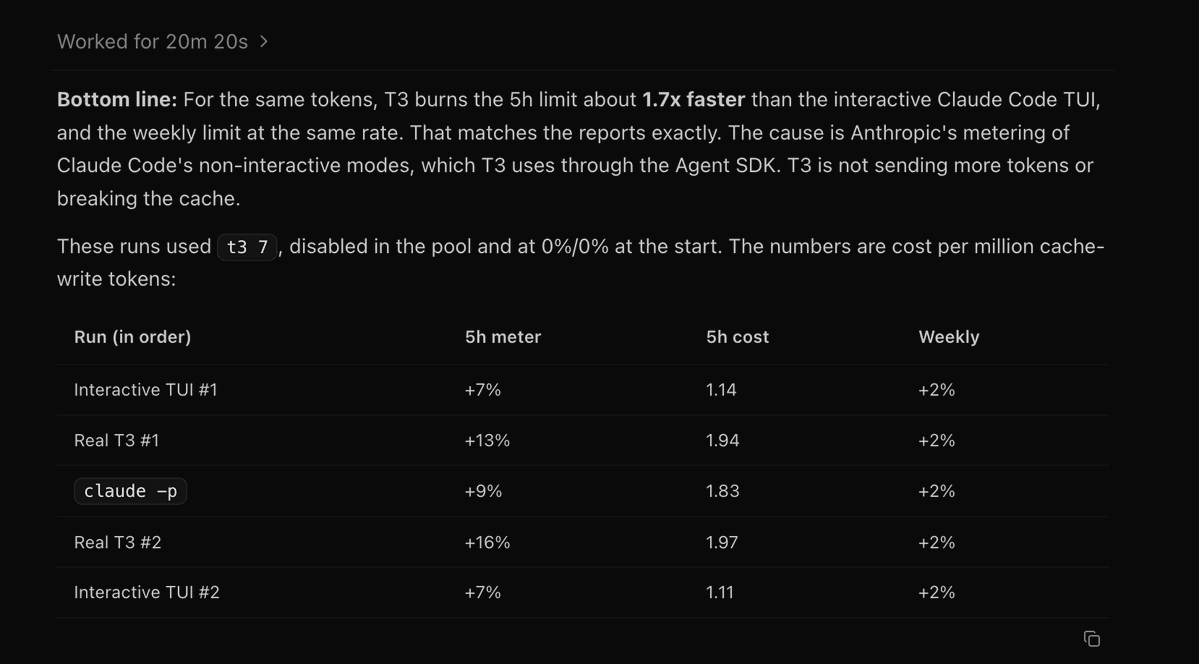


Older RTX GPUs reportedly deliver roughly 50% faster matrix multiplication
Developers report higher Tensor Core throughput on older RTX GPUs, and an independent test found identical outputs. John Whitaker's local MoE tests showed under 10% faster prefill and essentially unchanged decode speed.

Anthropic deployment recap reports roughly halved runtime after agent simplification
A recap of Anthropic deployments reports roughly halved runtime for one customer after simplifying its agent. It describes a main agent using Skills, with subagents reserved for parallel work, heavy context or isolated verification.

Shreya Shankar routes coding tasks by size and separates bug review
Shreya Shankar describes a coding workflow built around human-reviewed RFCs, implementation routing by task size and separate bug review. Follow-ups explain section-by-section specs and restarting failed approaches.

Google says Gemini API spend caps take 10 minutes to take effect
Google's Logan Kilpatrick says Gemini API spend caps now have a ten-minute enforcement delay, down from more than a day. He distinguishes caps from email budget alerts and says immediate enforcement is not yet available.