The most full AI hub: fresh stories, workflows, prompts, deals. Updated daily.
Filter by tag
Tap to toggle filters. Selected tags narrow your feed.
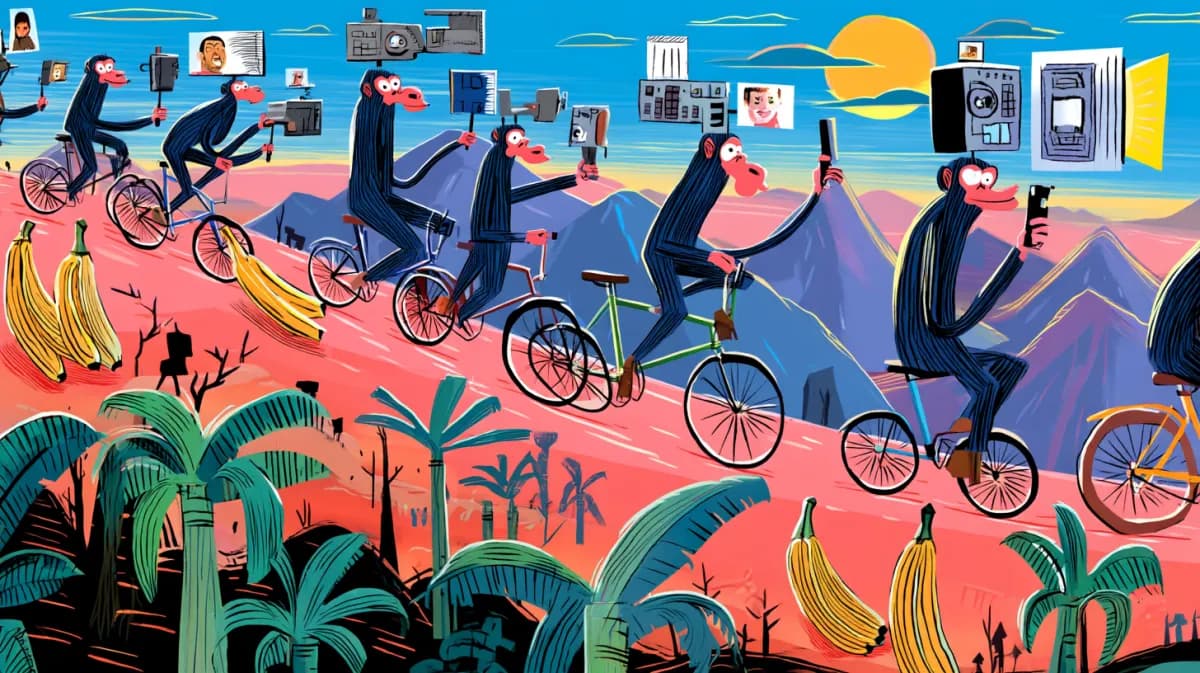
CapCut expanded Dreamina Seedance 2.0 to Europe, Canada, Australia, New Zealand, and more users worldwide, while Dreamina and Pippit posts showed early-access paths. Access is widening, but creators should still test realism, prompt adherence, and third-party platform quality.
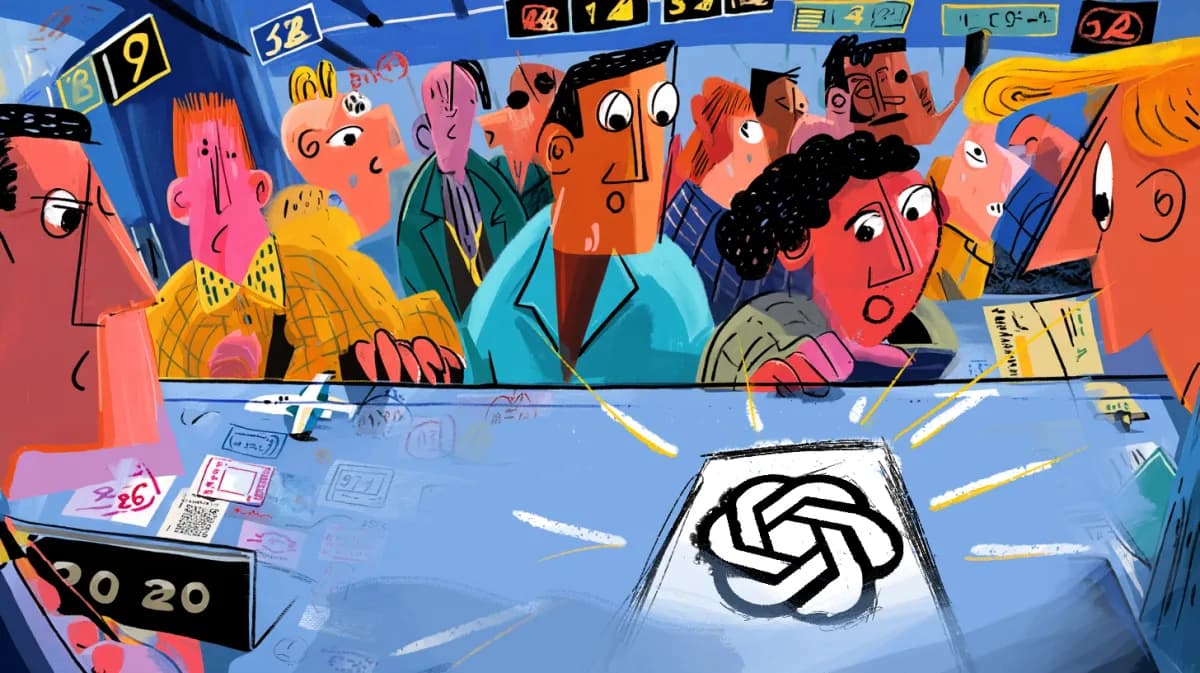
OpenAI’s shutdown post says the Sora app is going away and that work-preservation and API timing details are still coming. For creators, that removes a standalone video surface and is already colliding with complaints about the remaining video offer and Pro value.
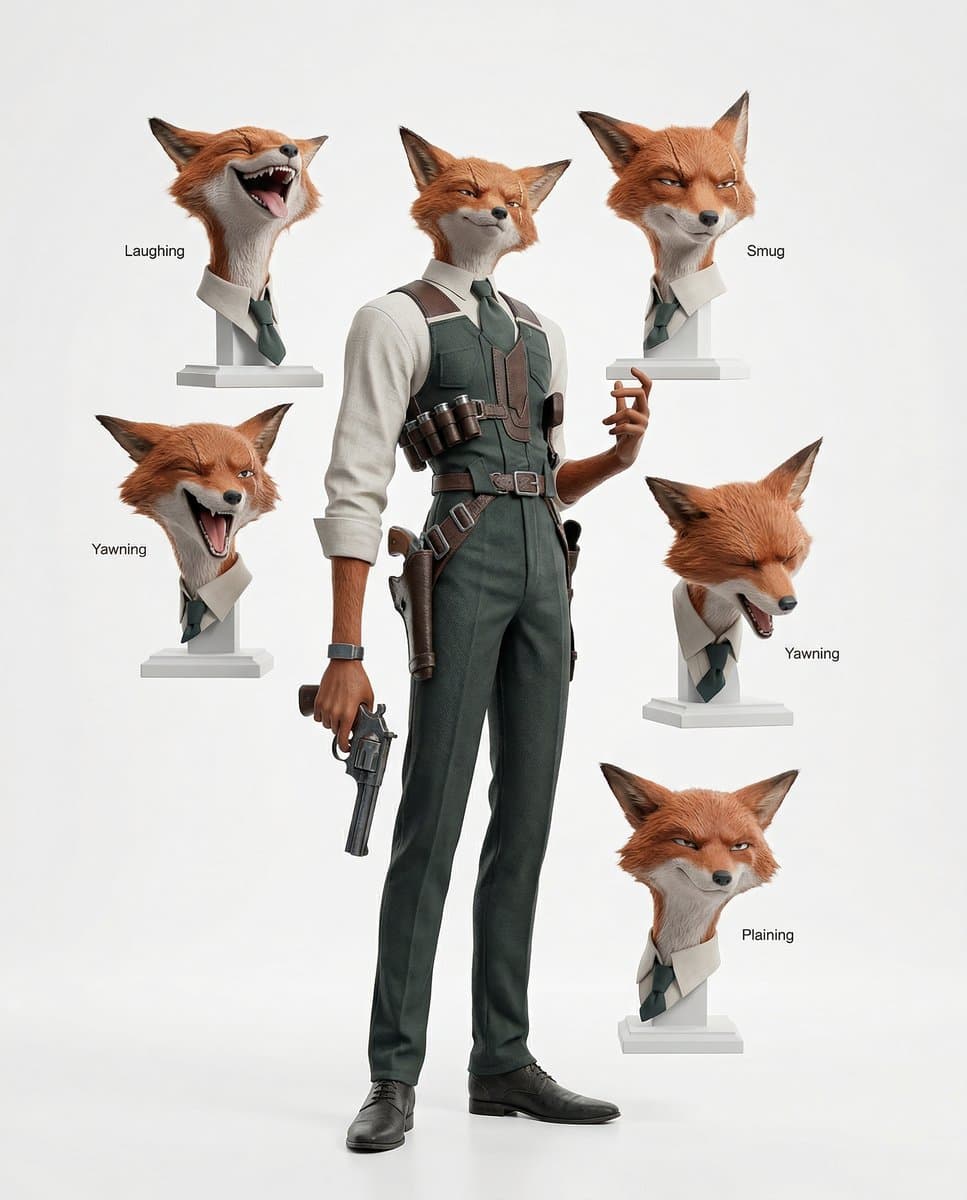
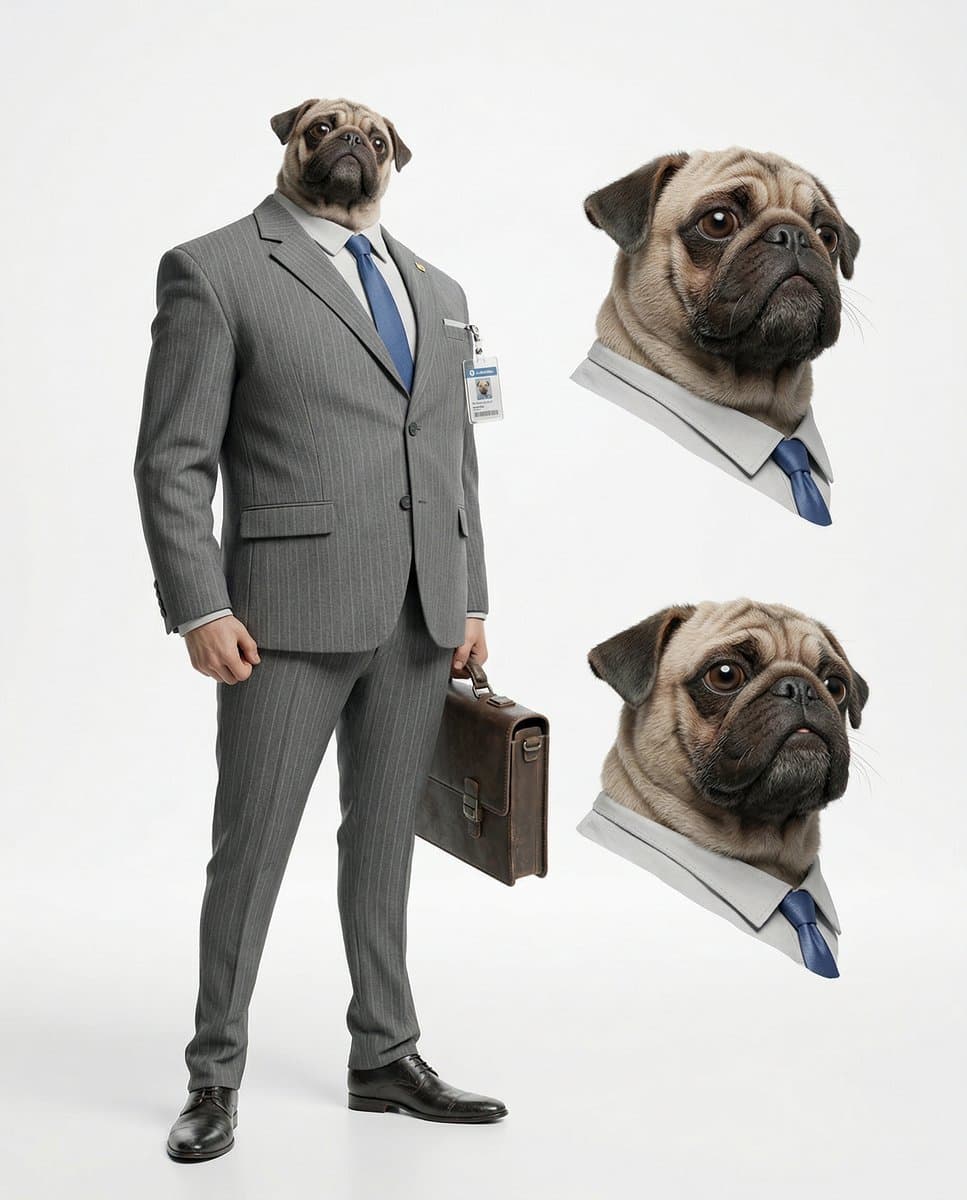
Nano Banana 2 is being used to turn niji or Midjourney art into multi-angle character sheets and 3D-looking turnarounds before Seedance animation. The prep step helps longer narrative video workflows, but creators are still patching anatomy and material consistency by hand.
CapCut expanded Dreamina Seedance 2.0 to Europe, Canada, Australia, New Zealand, and more users worldwide, while Dreamina and Pippit posts showed early-access paths. Access is widening, but creators should still test realism, prompt adherence, and third-party platform quality.
OpenAI’s shutdown post says the Sora app is going away and that work-preservation and API timing details are still coming. For creators, that removes a standalone video surface and is already colliding with complaints about the remaining video offer and Pro value.
Topaz put Starlight Precise 2.5 inside Astra and highlighted detail restoration, artifact removal, and color cleanup for generated footage. Early creator demos show it as a finishing pass for Midjourney and Grok clips rather than a replacement for generation.
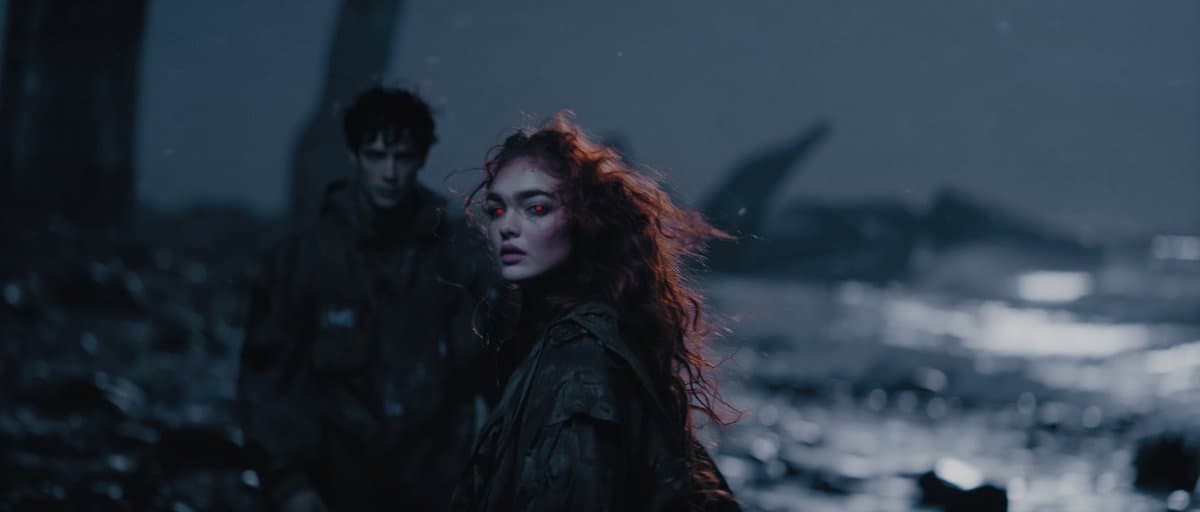
Runway's new web app turns a prompt or starter image into a cut scene with dialogue, sound effects and shot pacing. Creators can now block whole sequences instead of stitching isolated clips.
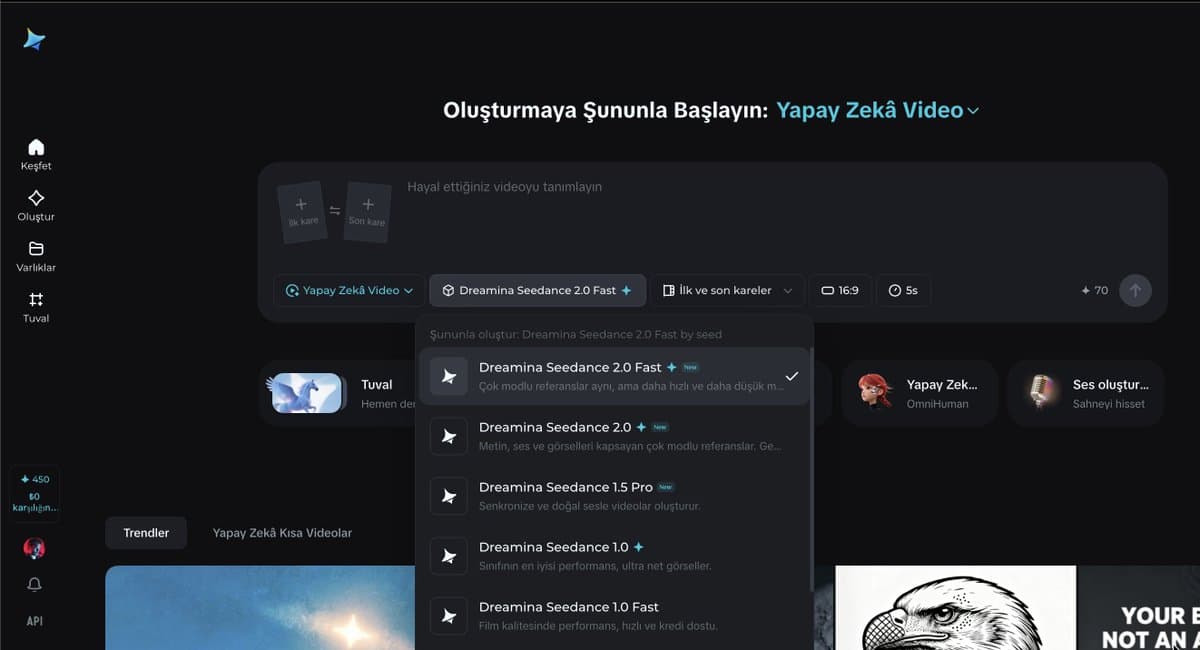
Seedance 2.0 is now showing up across CapCut Video Studio, Dreamina and Pippit with multi-scene timelines and shot templates. Creators can use it to move from single clips to editable long-form production.
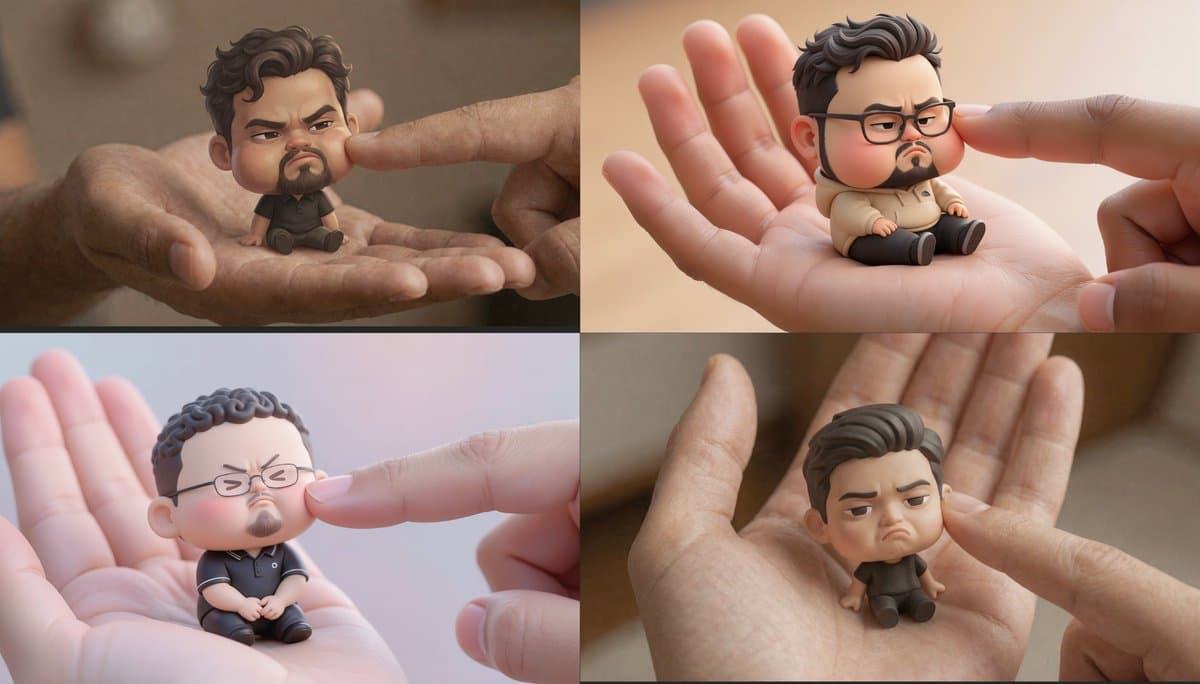
Official and partner demos show Uni-1 handling localized edits, dense layouts, manga generation and Pouty Pal chibis. Creators can reuse one model across avatar, editorial and comic workflows.
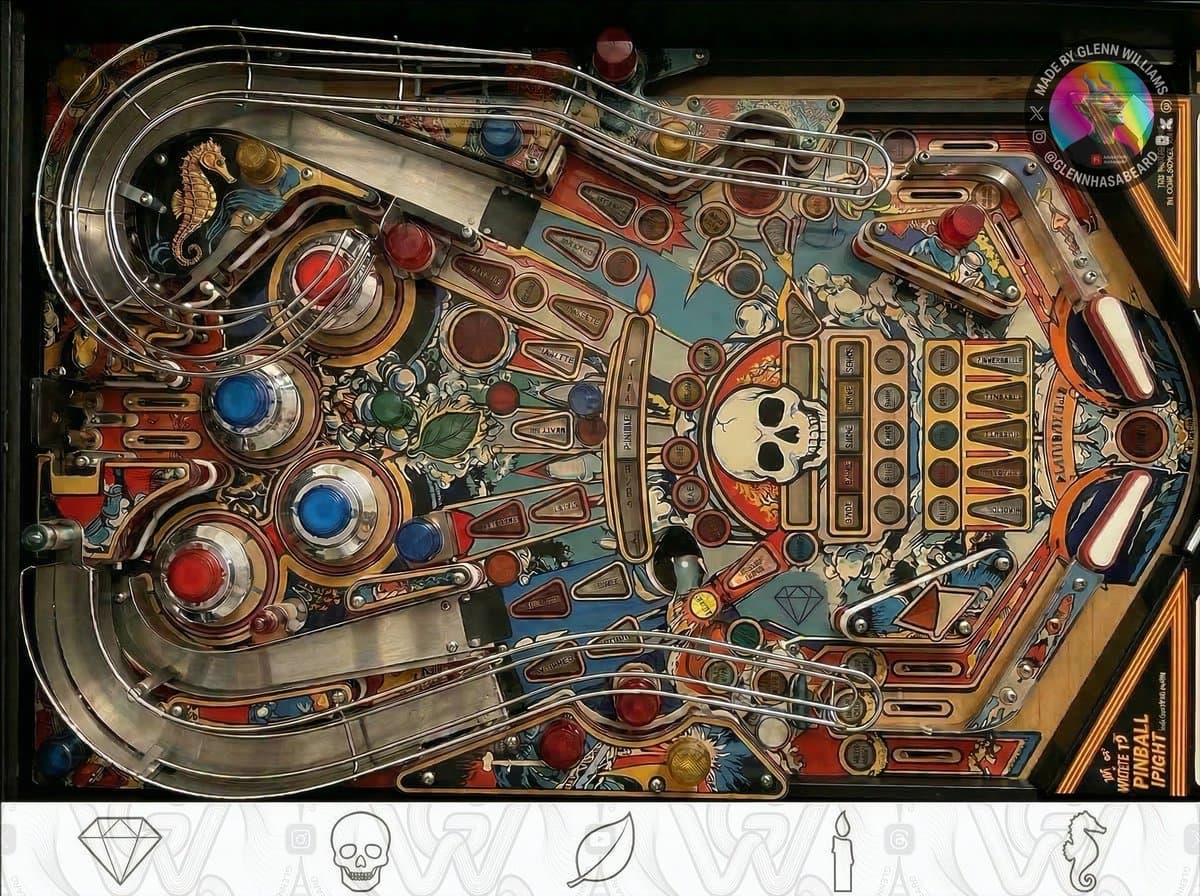
Posts report Nano Banana 2 now offers 4K image output, and creators are using it for poster systems, hidden-object layouts and character sheets. Higher-res stills should travel better into video, branding and print workflows.
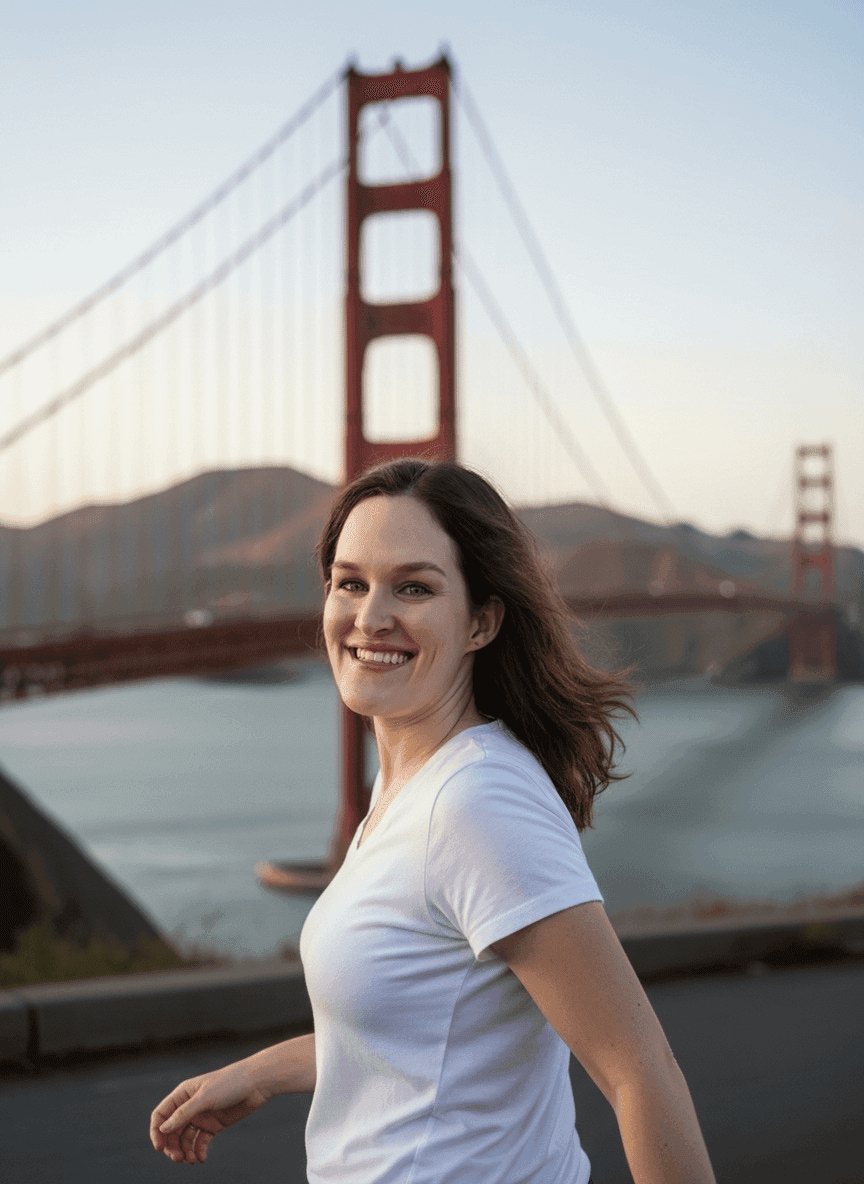
Phota's image model is now publicly available with tools for personal likeness training, multi-person merges and photo cleanup. Creators can direct realistic self-portraits and fix existing shots in one workflow.
Get the best stories delivered to your inbox
Nano Banana 2 is being used to turn niji or Midjourney art into multi-angle character sheets and 3D-looking turnarounds before Seedance animation. The prep step helps longer narrative video workflows, but creators are still patching anatomy and material consistency by hand.
Creators are now prompting Seedance 2 with shot-by-shot scripts, single-reference multishot setups, and up to seven image refs for longer scenes. The workflow improves camera planning and character continuity, but clean references and prompt structure still matter.
An open-source Claude Code template now clones websites from a single /clone-website command using Chrome MCP, design-token capture, and parallel git worktrees. It packages front-end recreation into a repeatable flow, but current proof comes from repo demos rather than broad field use.
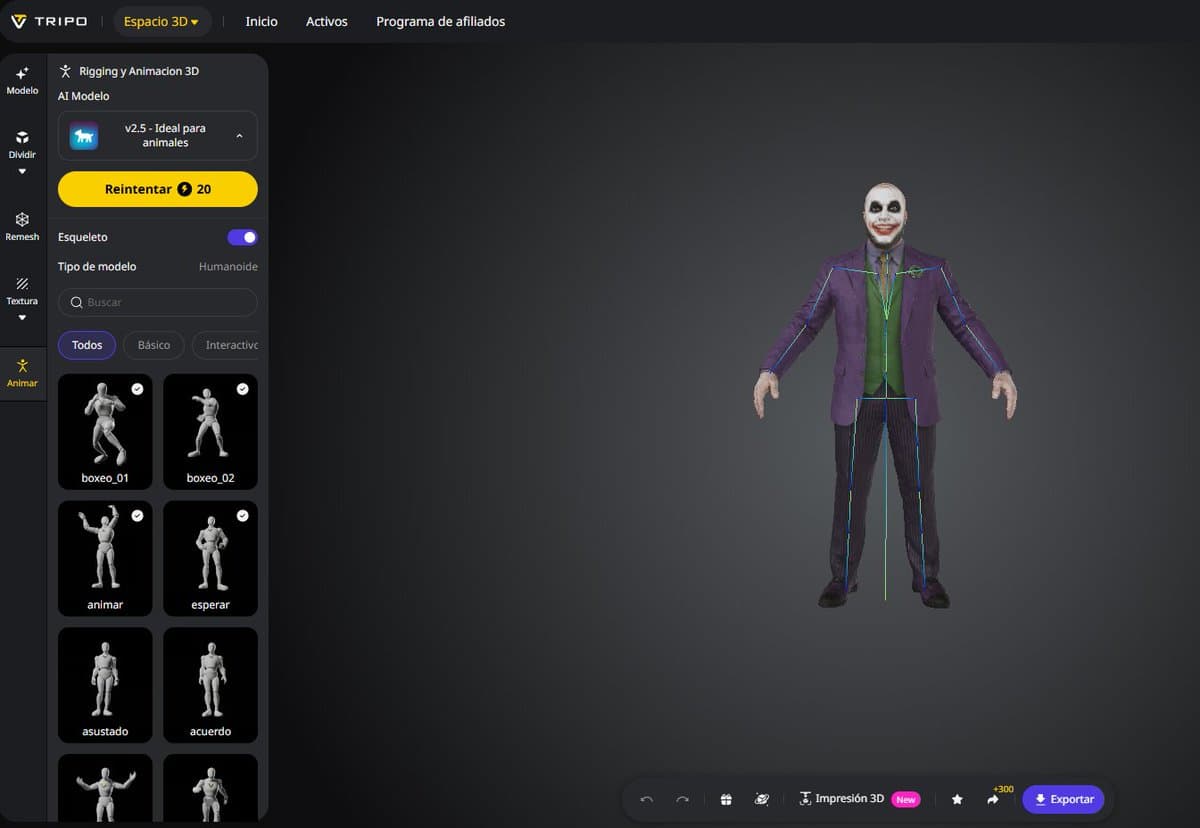
Techhalla showed Tripo turning 2D art into textured 3D models in about 14 seconds, with Smart Mesh, poly-count control, and auto-rigging for A-pose or T-pose characters. The workflow compresses modeling and rigging, but source angle and flat backgrounds still matter for clean geometry.
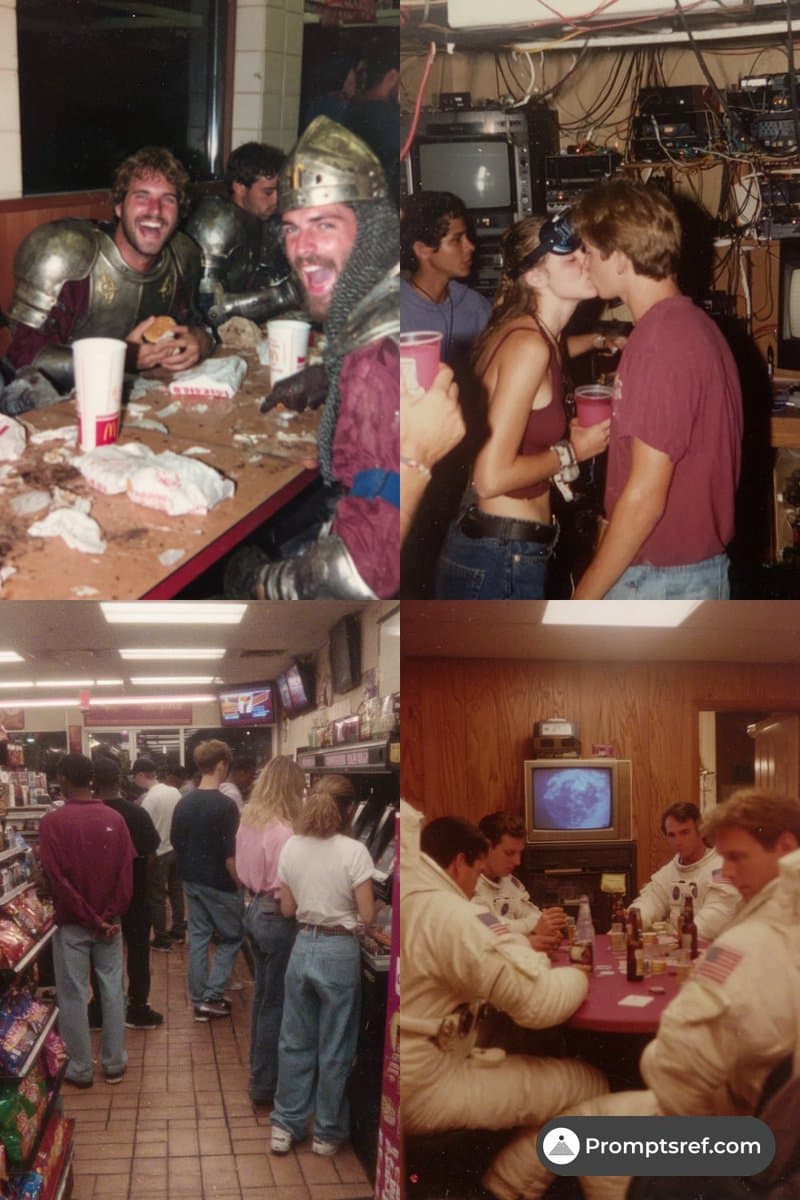
Fresh Midjourney sref posts centered on code 3204209964 for dirty-flash 90s snapshots, alongside Matrix-green, warm-glow, and retro-futurist looks. The workflow keeps turning sref into a reusable prompt layer, but results remain highly code- and subject-dependent.
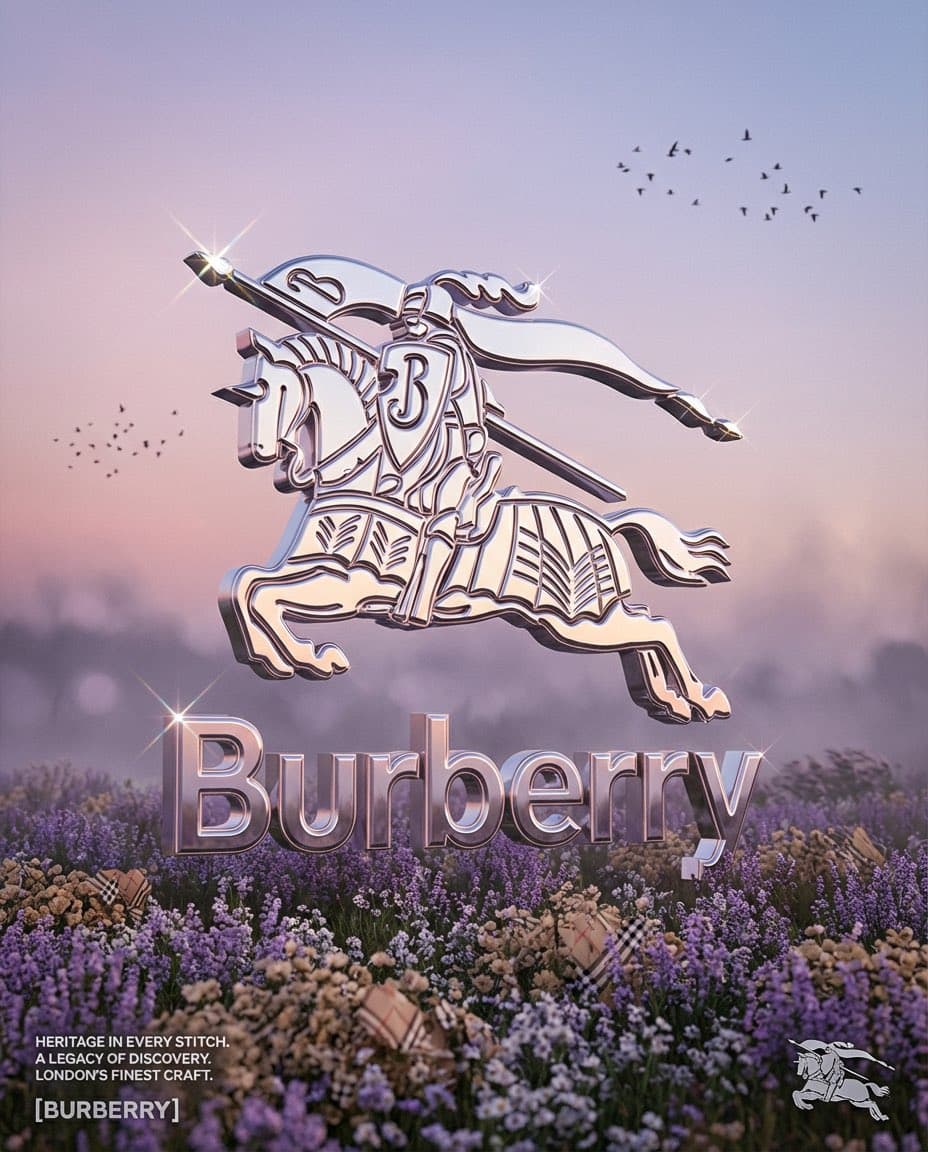
Creators published Nano Banana 2 prompt packs for chrome-logo brand worlds and paparazzi-style fashion shots, including full prompt scaffolds with swap-in variables. The format makes campaign iteration faster, but output quality still depends on strong brand cues and careful scene wording.
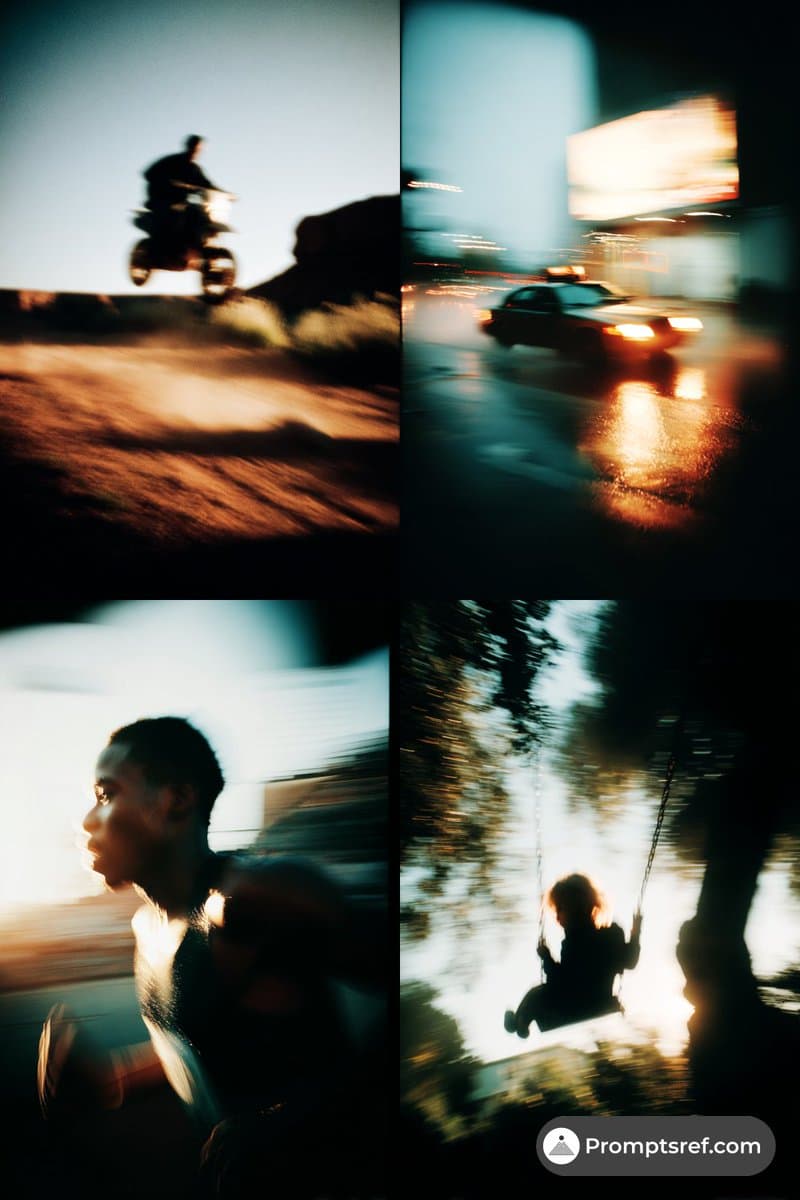
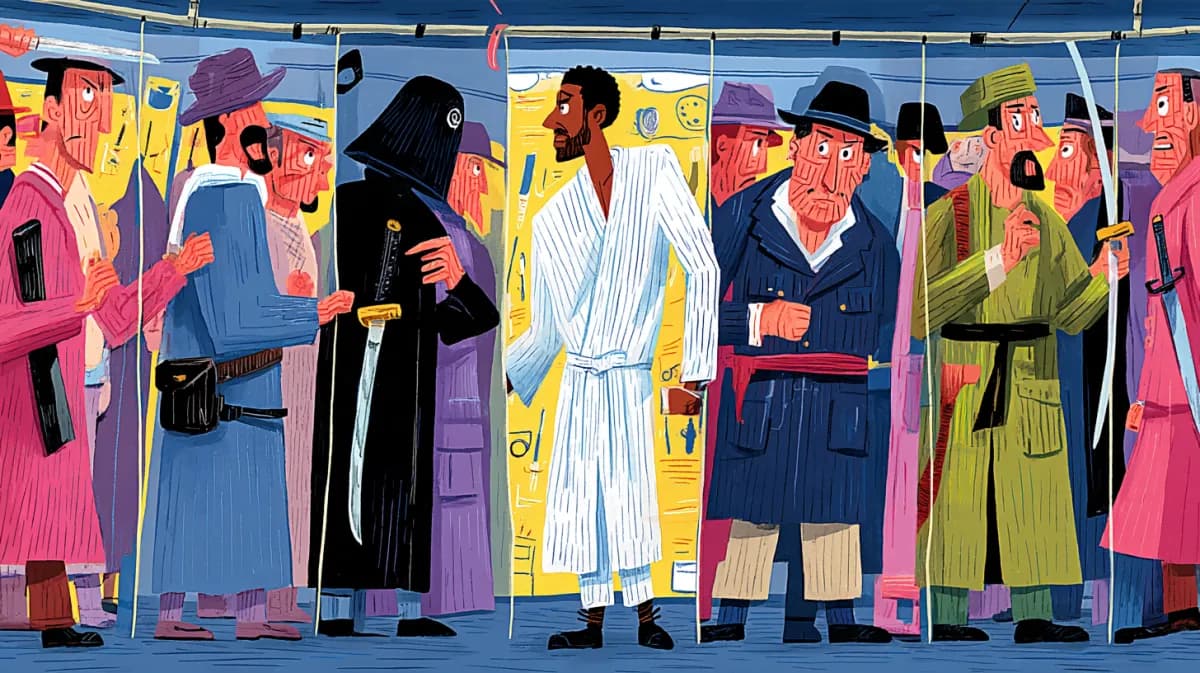
New creator playbooks span sitcom line art, motion-blur cinema, Art Nouveau luxury, neon cyberpunk and rough sketch styles. Reusable srefs are turning into fast moodboards for campaigns, covers and story frames.
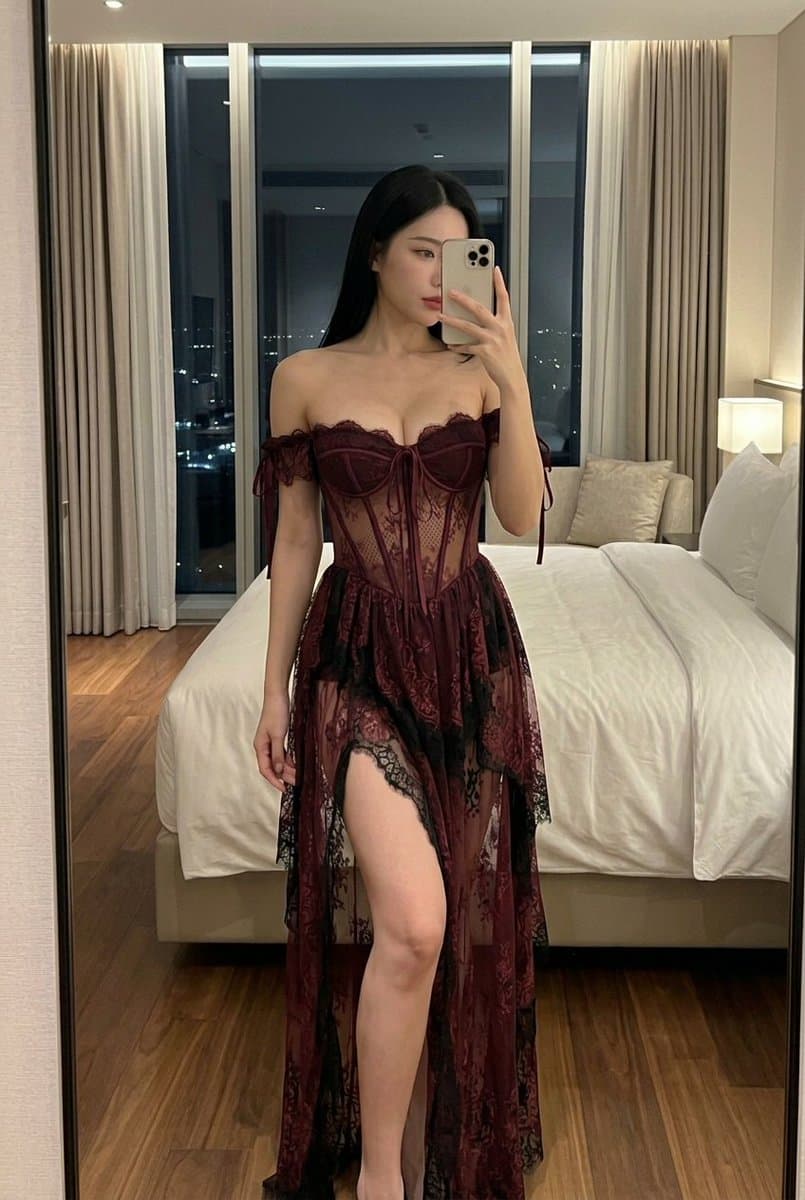
Creators are turning Nano Banana 2 templates into reusable prompt systems for merch shots, sports ads, editorial portraits and modular scene builds. Keep the scaffold fixed and swap only brand, lens, action or environment variables to iterate fast.