Rork added Max Publishing to generate icons, screenshots, listing text, review metadata, and submission steps for App Store releases, and also shipped an App Store MCP. Use it first on non-critical apps and keep a manual review gate.

Rork's new Max Publishing feature is aimed at the last mile of iOS shipping: App Store Connect metadata and submission packaging. In the main announcement, the company says the tool now "fills in all the fields," generates "icons & screenshots," adds a "mock review so you don't get rejected," and then submits the build. The attached submission demo shows an App Store form being populated automatically, followed by generated visual assets and a final submitted state.
The scope is broader than text generation. Rork specifically calls out "Yes, iPad screenshots too" in the launch post, which matters because screenshot production and device coverage are often the most repetitive parts of release prep. A repost of the launch copy in the supporting thread also frames the feature as reducing submission time from hours to minutes.
Rork followed the launch by saying "We built App Store MCP," which is the clearest implementation detail in the evidence about how this may plug into agentic workflows. Based on the launch behavior shown in the demo post, the MCP angle likely gives an AI client structured access to App Store publishing steps instead of treating submission as a one-off UI automation.
There is also some product context around why Rork is leaning into publishing automation now. In a reposted note, Rork says its own iOS app is "no longer on the App Store" and adds that it has now made it easy to "build Rork in Rork and publish to the App Store," positioning submission as part of a fuller build-to-release loop. Early reactions are positive but still anecdotal: one user repost says Rork completed their submission, while another repost summarizes the launch as automating "literally everything" in the listing flow.
Imbue released Latchkey, a library that prepends ordinary curl calls so local agents can use SaaS and internal APIs while credentials stay on the developer machine. Try it where agents need many HTTP integrations but should not see raw secrets.
 breaking
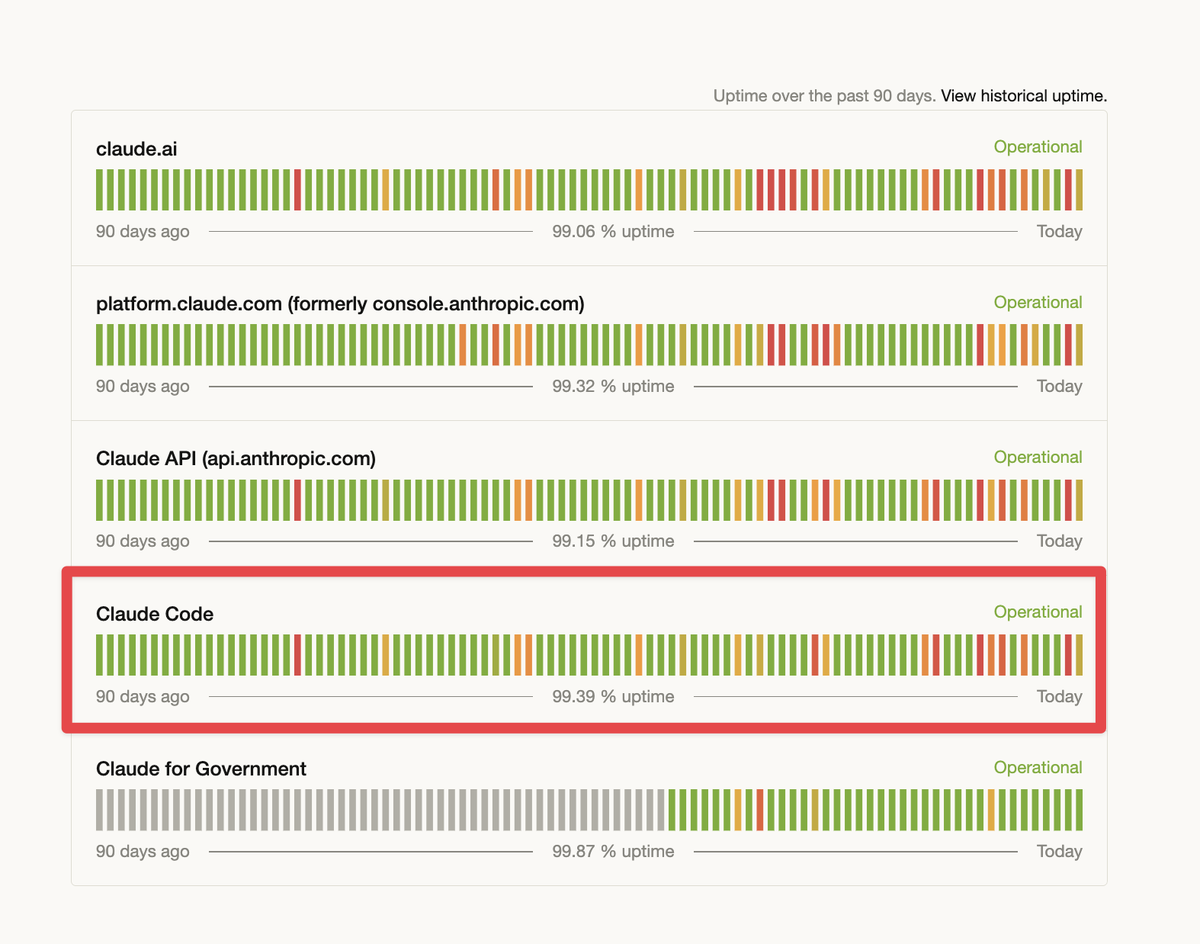
Anthropic said free, Pro, and Max users will hit 5-hour Claude session limits faster on weekdays from 5am to 11am PT, while weekly caps stay the same. Shift long Claude Code jobs off-peak and watch prompt-cache misses.
 release
OpenAI rolled out Codex plugins across the app, CLI, and IDE extensions, with app auth, reusable skills, and optional MCP servers. Teams should test plugin-backed workflows and permission models before broad rollout.
 release
Cline launched Kanban, a local multi-agent board that runs Claude, Codex, and Cline CLI tasks in isolated worktrees with dependency chains and diffs. Teams can use it as a visual control layer for parallel coding agents on repo chores that split cleanly.
 release
Mistral released open-weight Voxtral TTS with low-latency streaming, voice cloning, and cross-lingual adaptation, and vLLM Omni shipped day-0 support. Voice-agent teams should compare quality, latency, and serving cost against closed APIs.
We built App Store MCP

Introducing Rork Max Publishing Rork Max can now fill your entire App Store page without you ever touching it. It fills in all the fields, generates beautiful icons & screenshots, makes a mock review so you don't get rejected, and submits for you. Yes, iPad screenshots too.
Introducing Rork Max Publishing Rork Max can now fill your entire App Store page without you ever touching it. It fills in all the fields, generates beautiful icons & screenshots, makes a mock review so you don't get rejected, and submits for you. Yes, iPad screenshots too.


