Mistral released open-weight Voxtral TTS with low-latency streaming, voice cloning, and cross-lingual adaptation, and vLLM Omni shipped day-0 support. Voice-agent teams should compare quality, latency, and serving cost against closed APIs.

vllm serve ... --omni, plus 24 kHz output and common audio formats including WAV, MP3, FLAC, AAC, and Opus.Mistral describes Voxtral TTS as a “frontier open-weight model” aimed at production voice workflows, not just demos. In its announcement, the company emphasizes realistic and emotionally expressive speech, 9-language coverage, low time-to-first-audio, and easier adaptation to new voices. It also frames the model as the output layer for larger speech stacks, saying it works with Voxtral Transcribe for end-to-end speech-to-speech or with “any STT + LLM stack.”
The packaging matters as much as the model card. According to the launch thread, teams can use Voxtral TTS in Le Chat and Mistral Studio or download it locally from Hugging Face via the weights page; the same thread calls out “cross-lingual voice adaptation” and says the system can preserve accent cues, such as French-accented English. A pre-launch playground capture from TestingCatalog also shows a built-in voice-cloning flow with an upload-or-record modal and an explicit consent checkbox, which suggests Mistral is exposing cloning directly in product rather than only through raw weights.
The clearest deployment signal is that the vLLM team shipped day-0 support in vLLM Omni. Their install snippet points to vllm==0.18.0, vllm-omni, and a one-line serve command for mistralai/Voxtral-4B-TTS-2603, which lowers friction for teams already standardizing on vLLM for multimodal or agent backends.
The same integration post adds concrete output details that matter in production: streaming, 24 kHz audio, and export paths for WAV, MP3, FLAC, AAC, and Opus. Separately, the benchmark summary reports about 90 ms time-to-first-audio and roughly 3 GB RAM, which, if reproducible in real workloads, would put Voxtral in the range where self-hosting becomes plausible for latency-sensitive voice agents instead of forcing every stack through a closed API.
Mistral’s headline quality claim is comparative, not absolute. In the reported results, human listeners preferred Voxtral over ElevenLabs Flash v2.5 about 62.8% of the time on “flagship voices” and 69.9% on “voice customization.” Another shared chart shows similar, though not identical, win rates, which suggests those numbers come from multiple slices or updated visuals rather than a single immutable benchmark.
What stands out for engineers is the task framing. The strongest deltas are on customization and zero-shot cloning, not just stock preset voices. That lines up with the model description, which says the model can clone a voice from a short sample and transfer it across languages while preserving speaking style and accent. The tradeoff is that these are Mistral-run evaluations, so the competitive claim is useful as a starting point but still needs side-by-side testing on your own prompts, latency budget, and serving cost envelope.
Google launched Gemini 3.1 Flash Live in AI Studio, the API, and Gemini Live with stronger audio tool use, lower latency, and 128K context. Voice-agent teams should benchmark quality, latency, and thinking settings before switching.
 breaking
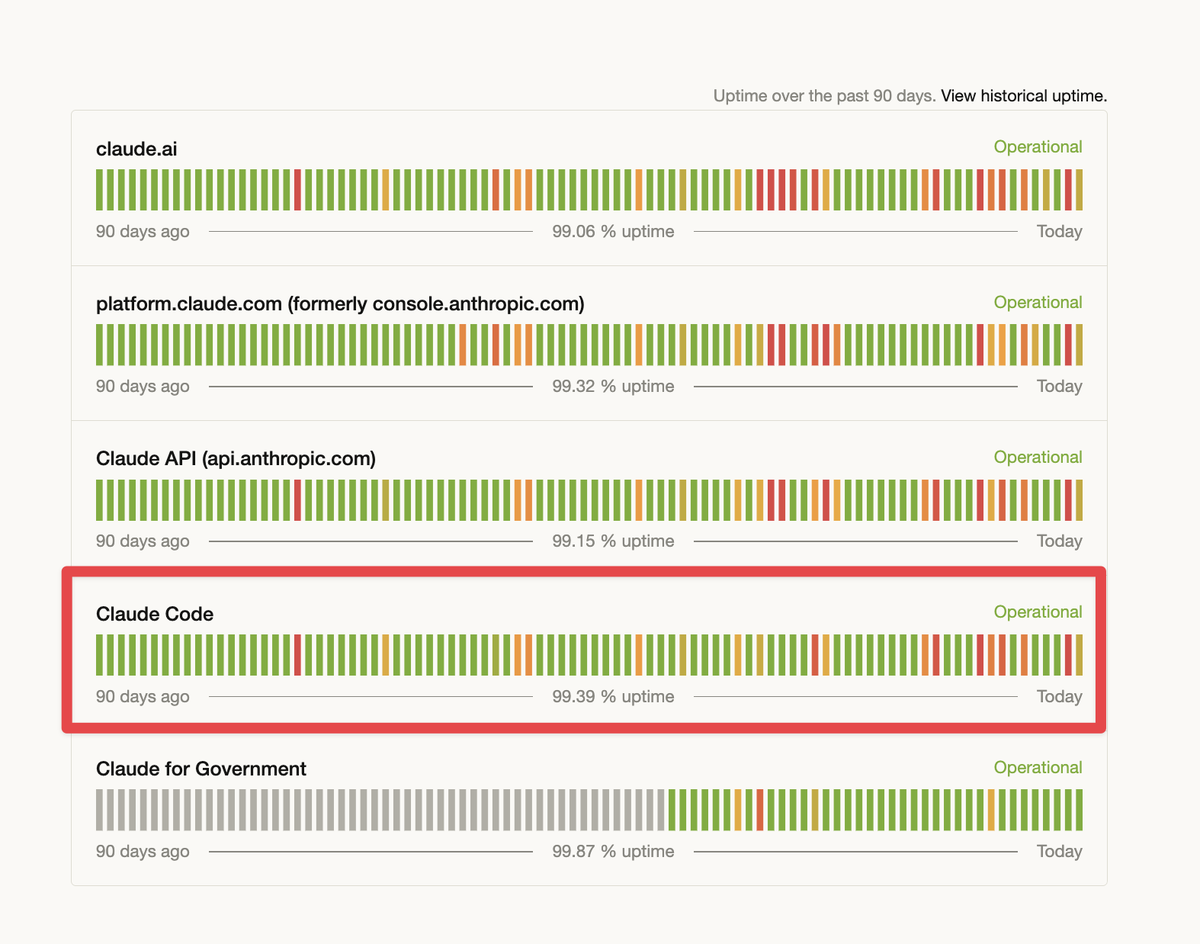
Anthropic said free, Pro, and Max users will hit 5-hour Claude session limits faster on weekdays from 5am to 11am PT, while weekly caps stay the same. Shift long Claude Code jobs off-peak and watch prompt-cache misses.
 release
OpenAI rolled out Codex plugins across the app, CLI, and IDE extensions, with app auth, reusable skills, and optional MCP servers. Teams should test plugin-backed workflows and permission models before broad rollout.
 release
Cline launched Kanban, a local multi-agent board that runs Claude, Codex, and Cline CLI tasks in isolated worktrees with dependency chains and diffs. Teams can use it as a visual control layer for parallel coding agents on repo chores that split cleanly.
 release
Google launched Gemini 3.1 Flash Live in AI Studio, the API, and Gemini Live with stronger audio tool use, lower latency, and 128K context. Voice-agent teams should benchmark quality, latency, and thinking settings before switching.
🔊Introducing Voxtral TTS: our new frontier open-weight model for natural, expressive, and ultra-fast text-to-speech 🎭Realistic, emotionally expressive speech. 🌍Supports 9 languages and accurately captures diverse dialects. ⚡Very low latency for time-to-first-audio. 🔄Easily Show more
🎉 Congrats to @MistralAI on launching Voxtral 4B TTS — enterprise-grade TTS built for production voice agents. Day-0 support in vLLM Omni. 🌍 9 languages with natural prosody and emotional range 🎙️ 20 preset voices with easy adaptation to new ones ⚡ Ultra-low latency Show more


🔊Introducing Voxtral TTS: our new frontier open-weight model for natural, expressive, and ultra-fast text-to-speech 🎭Realistic, emotionally expressive speech. 🌍Supports 9 languages and accurately captures diverse dialects. ⚡Very low latency for time-to-first-audio. 🔄Easily
Mistral AI released Voxtral TTS, a 3-billion-parameter text-to-speech model with open weights that the company says outperformed ElevenLabs Flash v2.5 in human preference tests roughly 63% of the time on standard voices and nearly 70% on voice customization. The model runs on Show more


Wait so Mistral has just released one of the best voice AI models... and made it 100% open weights?! Voxtral TTS has really good capabilities: → Only 4B parameters → Realistic speech in 9 languages → Clone any voice from a few seconds of audio → Capture personality, pauses, Show more
🔊Introducing Voxtral TTS: our new frontier open-weight model for natural, expressive, and ultra-fast text-to-speech 🎭Realistic, emotionally expressive speech. 🌍Supports 9 languages and accurately captures diverse dialects. ⚡Very low latency for time-to-first-audio. 🔄Easily


