A creator kept composition fixed and changed only palette direction to turn one image into comfort, grief, tension, and candlelit solitude. Use this technique when you want multiple emotional reads without rebuilding the whole frame.
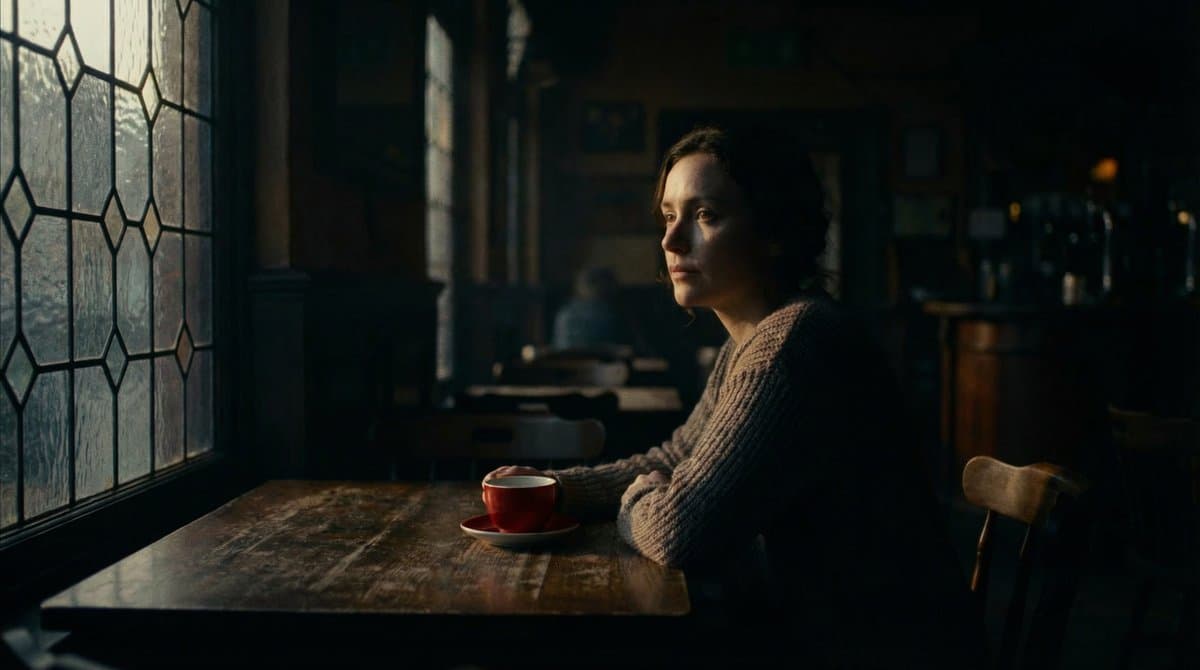
The core experiment was simple: one scene, one composition, and four prompt-driven palette shifts inside Leonardo using Nano Banana Pro. According to the creator's workflow recap, the frame stayed constant while color direction did the work.
That produced clean narrative swings. The amber version reads like memory and comfort because the window light, wood grain, and sweater texture all feel warm and tactile. The blue version keeps the same subject placement but drains the room into distance, making the window feel observed rather than welcoming.
The other two variants show how specific palette choices can reshape emphasis. In the red-accent version, deep shadow and a single red object pull the eye to one prop and create suspense. The candlelit pass compresses the world inward; it is still warm, but no longer open or nostalgic, instead feeling late, private, and slightly lonely candlelit variant.
The practical takeaway is not "make four looks." It is to separate composition from emotional grading. This creator generated a base image first, then used prompt-level color direction to test different narrative readings on top of it one base image.
That makes palette swaps a fast previsualization move for storyboards, key art, album covers, and pitch frames. If the scene already works spatially, you can audition memory, grief, suspense, or intimacy by changing warmth, saturation, contrast, and accent color rather than rewriting the whole prompt from scratch. In this case, the most effective changes were broad palette moves plus one focal decision, like the single red cup in the tension-focused version red-accent version.
Creators are treating Nano Banana prompts like reusable specs, from PromptsRef's 400-plus library to JSON selfie templates, Leonardo night-flash recipes, and Notion-style icon packs. Keep the structure and swap the variables if you want repeatable style systems instead of one-off hits.
 release
Topview added Seedance 2.0 to Agent V2, pairing multi-scene generation with a storyboard timeline and Business Annual access billed as 365 days of unlimited generations. That moves longform video workflows toward editable sequences instead of stitched clips.
 workflow
Creators are moving from V8 calibration complaints to darker film-still scenes, fashion shots, and worldbuilding tests, with ECLIPTIC remakes showing stronger depth and lighting. Retest saved SREF recipes if you rely on V8 for cinematic ideation.
 workflow
A shared workflow converts GTA-style stills into photoreal images with Nano Banana 2, then animates them in LTX-2.3 Pro 4K using detailed material, skin, vehicle, and camera prompts. Try it for trailer-style previsualization if you want more control at lower cost.
 workflow
Shared Nano Banana 2 workflows now cover turnaround sheets, distinctive facial traits, and photoreal rerenders that keep the framing of a reference image. Use one prompt grammar for concept art, editorial portraits, and animation prep.
Colour is one of the most powerful storytelling tools in cinema, and it's just as important when generating images with AI. I took a single scene and created four versions in Leonardo AI using Nano Banana Pro, changing only the colour palette. Same composition; four Show more

Candlelit warmth, but nothing like the warm amber daylight version. The world has closed in. This feels late, private, interior. There's intimacy here, but also solitude. It feels like closing time; everyone else has already gone.

All four images were created in @LeonardoAI using Nano Banana Pro. One base image, then colour direction through prompting to shift the palette. Which of the four versions tells the most interesting story to you?


