Composio open-sourced Agent Orchestrator, which spawns parallel coding agents with separate worktrees, PRs, CI feedback loops, and a local dashboard. It matters for vibe coders building creative tools, because it cuts the branch and review babysitting that slows prototyping.
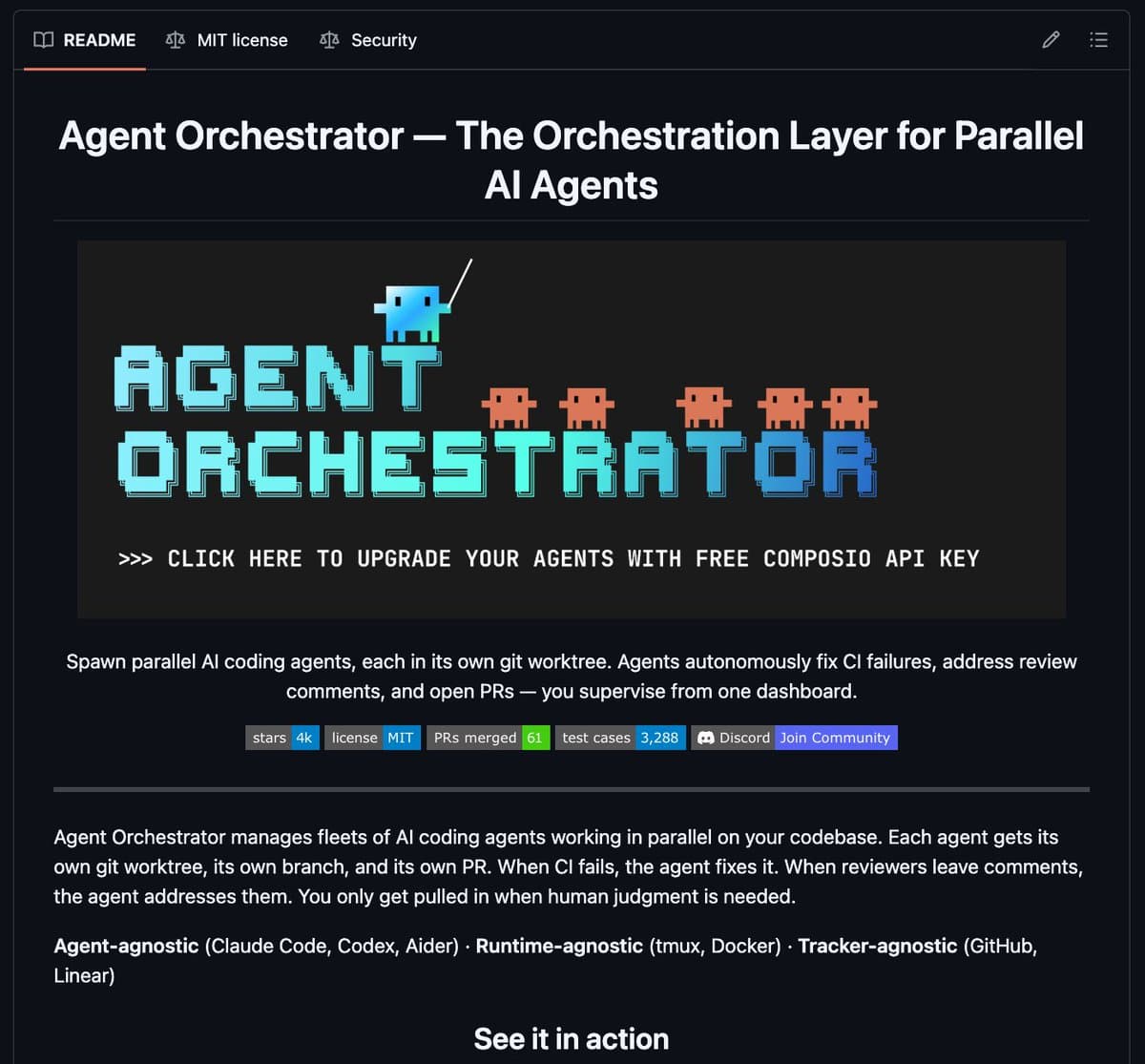
Agent Orchestrator is an open-source coordination layer for coding agents, not another standalone assistant. In Composio's launch thread, the headline features are parallel Claude Code, Codex, or Aider sessions, isolated git worktrees, separate branches and PRs, automatic CI remediation, automatic handling of reviewer comments, and a dashboard running locally at localhost:3000.
The linked GitHub repository adds the infrastructure detail missing from the thread: the system is designed to be agent-agnostic and runtime-agnostic, with support described for tmux, Docker, and Kubernetes, plus tracker and notifier slots for services like GitHub, Linear, Slack, and webhooks. That makes the interesting part the handoff logic around agents, not just the agents themselves.
For people vibe-coding creative apps, the bottleneck is often coordination overhead rather than code generation. The launch post describes a workflow where ao spawn my-project 123 creates an isolated agent workspace, opens a PR, feeds failing CI logs back into the same loop, and escalates only when human judgment is needed.
That is useful when a prototype has many small moving pieces at once: a frontend polish pass, an export bug, a Stripe integration, a captioning fix, or a deploy script cleanup. Instead of one agent session serializing every task, the repo summary suggests separate agents can analyze, test, patch, and respond to review comments in parallel while staying sandboxed from each other.
The caveat is that the evidence here comes from Composio's own materials, so the claims are strongest on architecture and intended workflow, not on independent benchmarks. Even so, one early reaction captures why this is landing: the novelty is the orchestration layer around existing coding agents, not a new base model.
Topview added Seedance 2.0 to Agent V2, pairing multi-scene generation with a storyboard timeline and Business Annual access billed as 365 days of unlimited generations. That moves longform video workflows toward editable sequences instead of stitched clips.
 release
Topview added Seedance 2.0 to Agent V2, pairing multi-scene generation with a storyboard timeline and Business Annual access billed as 365 days of unlimited generations. That moves longform video workflows toward editable sequences instead of stitched clips.
 workflow
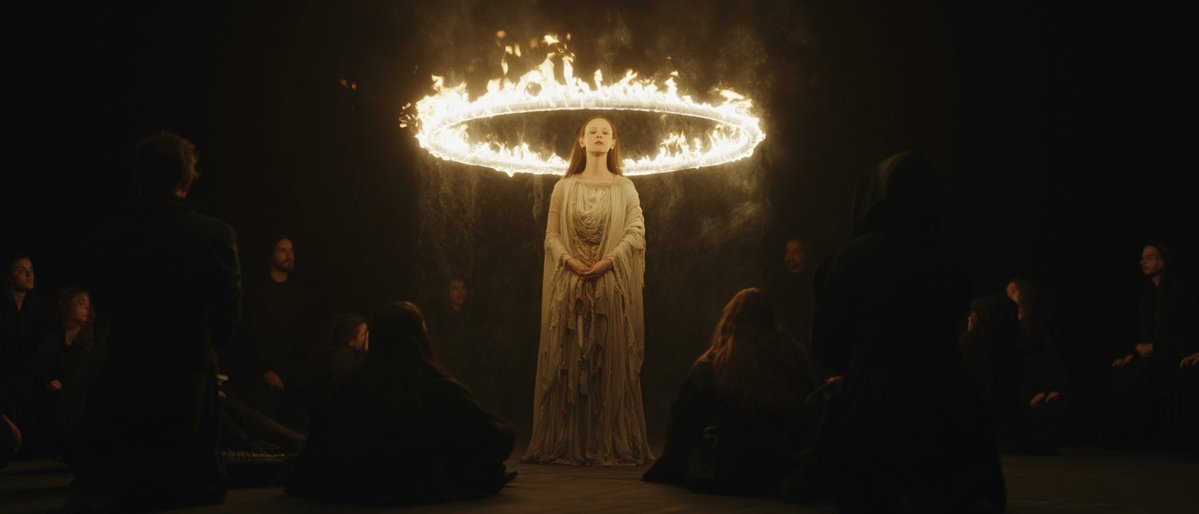
Creators are moving from V8 calibration complaints to darker film-still scenes, fashion shots, and worldbuilding tests, with ECLIPTIC remakes showing stronger depth and lighting. Retest saved SREF recipes if you rely on V8 for cinematic ideation.
 workflow
A shared workflow converts GTA-style stills into photoreal images with Nano Banana 2, then animates them in LTX-2.3 Pro 4K using detailed material, skin, vehicle, and camera prompts. Try it for trailer-style previsualization if you want more control at lower cost.
 workflow
Shared Nano Banana 2 workflows now cover turnaround sheets, distinctive facial traits, and photoreal rerenders that keep the framing of a reference image. Use one prompt grammar for concept art, editorial portraits, and animation prep.
🚨 BREAKING: Composio just open sourced a tool that lets you run 30 AI coding agents in parallel on your codebase. It's called Agent Orchestrator and it's sitting at 4.1k stars for a reason. One command spawns an agent. It gets its own git worktree, its own branch, its own PR. Show more

Explore it here: github.com/ComposioHQ/age…