A workflow breakdown found Firefly treats impossible reflections differently by surface: puddles invert scenes, mirrors composite flatter backdrops, and glass acts more like a portal. Choose the surface first in prompts if you want more reliable reflection results.
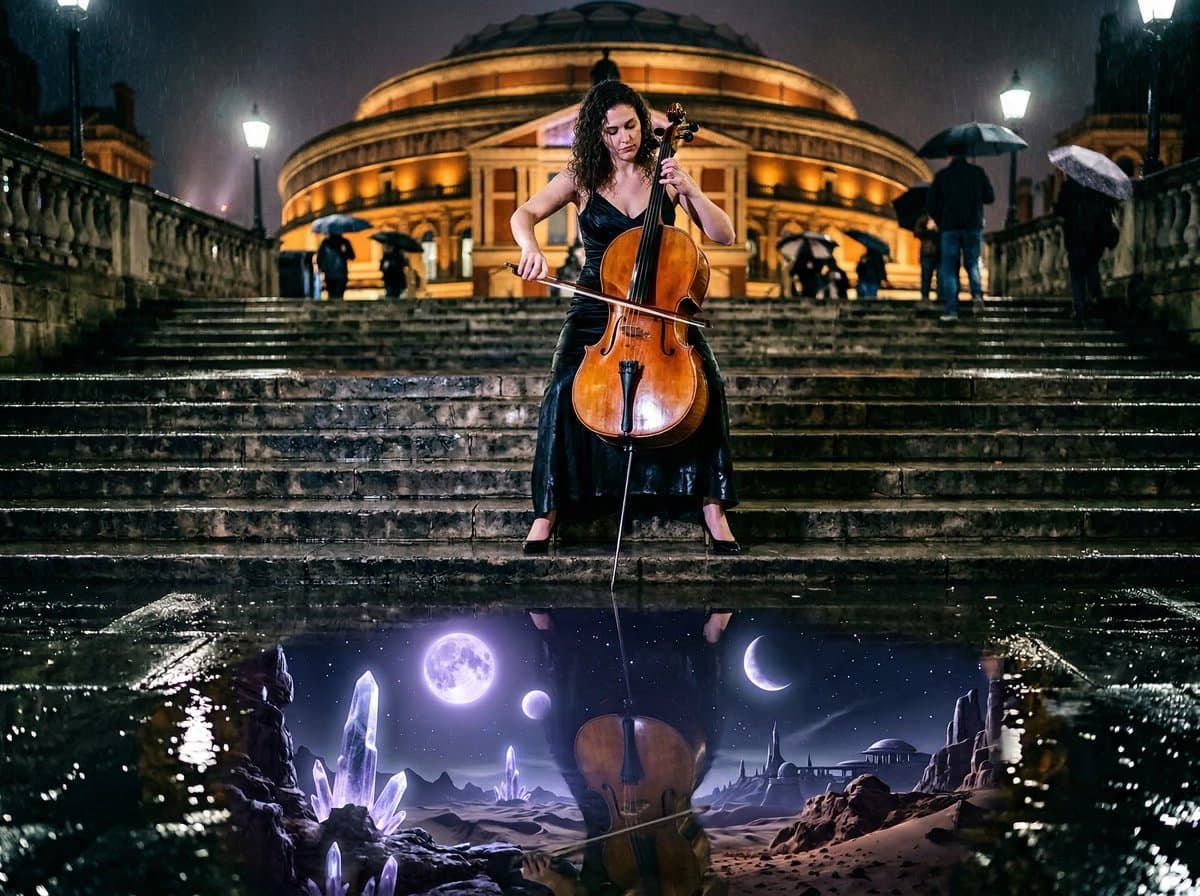
Williams’ article is less a gallery than a workflow finding: surface choice is doing structural work in the image. In his Firefly tests, puddles triggered an inverted reflection logic, which made the impossible scene feel grounded by normal photographic rules; mirrors instead flattened the alternate world into something closer to a backdrop; and glass surfaces acted more like openings into another place than reflective objects article summary.
That matters because the same surreal concept does not survive every surface equally well. If you want the model to preserve the sensation of “this impossible world is really being reflected here,” puddles gave the cleanest result in Williams’ examples, while mirrors weakened the illusion by losing reflection physics.
Williams’ shared template bakes in the conditions that helped the effect land: a subject standing on wet ground at night, a low camera placed near the surface, a puddle at the subject’s feet, and an impossible scene described in specific visual detail instead of generic fantasy language. The prompt also specifies how the reflected scene should cast colored light back onto the wet ground, plus 35mm street photography, deep focus, and cinematic lighting prompt share.
The attached examples show why that wording works. A cellist on rainy steps gets a purple crystal landscape in the puddle, a bride gets a shipwreck reef, and a ballerina gets an erupting volcano
. Even the supporting Grok remix kept the core pattern: ordinary monochrome street above, impossible color world below Grok remix.
A shared workflow converts GTA-style stills into photoreal images with Nano Banana 2, then animates them in LTX-2.3 Pro 4K using detailed material, skin, vehicle, and camera prompts. Try it for trailer-style previsualization if you want more control at lower cost.
 release
Topview added Seedance 2.0 to Agent V2, pairing multi-scene generation with a storyboard timeline and Business Annual access billed as 365 days of unlimited generations. That moves longform video workflows toward editable sequences instead of stitched clips.
 workflow
Creators are moving from V8 calibration complaints to darker film-still scenes, fashion shots, and worldbuilding tests, with ECLIPTIC remakes showing stronger depth and lighting. Retest saved SREF recipes if you rely on V8 for cinematic ideation.
 workflow
A shared workflow converts GTA-style stills into photoreal images with Nano Banana 2, then animates them in LTX-2.3 Pro 4K using detailed material, skin, vehicle, and camera prompts. Try it for trailer-style previsualization if you want more control at lower cost.
 workflow
Shared Nano Banana 2 workflows now cover turnaround sheets, distinctive facial traits, and photoreal rerenders that keep the framing of a reference image. Use one prompt grammar for concept art, editorial portraits, and animation prep.
New article is live. I asked AI to show me impossible reflections across 6 different surfaces. Same concept, same model, same intent. Firefly didn't have one method. It had three. Puddles reflect. Mirrors composite. Glass portals. The surface you choose changes everything.

x.com/i/article/2033…
Prompt share: [SUBJECT] standing on wet [GROUND SURFACE] at night, low angle shot from near ground level, rain puddle at [their] feet reflecting [IMPOSSIBLE SCENE WITH SPECIFIC DETAILS] instead of [NORMAL SURROUNDINGS], [COLOR] light from reflection creating [ADJECTIVE] glow Show more