Google AI Studio is being used in workflows that turn one AI concept image into a working website, sometimes with Claude Sonnet for cleanup. Try it to prototype landing pages before opening Figma or handing work to a developer.

The clearest example here is not a product launch but a creator workflow. Amir Mushich shows a path from one generated concept image into Google AI Studio, then into a working site, with no Figma file and no developer handoff. His demo video image to live site moves through the concept image, code generation, and final page, which suggests AI Studio is being used as the build environment rather than just a brainstorming layer.
That same workflow is being echoed by other creators. One post reduces the stack to Nano Banana, Claude Sonnet 4.6, Google AI Studio, and “$0” tool stack post, implying Claude is useful as a cleanup or iteration step around the AI Studio build rather than the main entry point.
The interesting shift for designers is that the visual brief can now double as the production seed. Amir’s follow-up says “Banana prompted right = beautiful design base” design base note, and his thread points back to the single concept image that kicked off the whole build starting image. That makes prompt specificity part of layout direction, not just moodboarding.
There is also a hint that these first examples are moving beyond rough landing-page experiments. Amir says the workflow “went way further” in a later reply went further, which fits the broader pattern here: creators are using generated images to lock a design language early, then pushing AI coding tools to turn that language into something navigable and shippable.
A creator-shared Claude prompt pack lays out a First Principles sequence, Feynman rewrite, assumption audit, and from-scratch rebuild prompts. Use it as a reusable prompt recipe for research and writing, not as an official Claude feature.
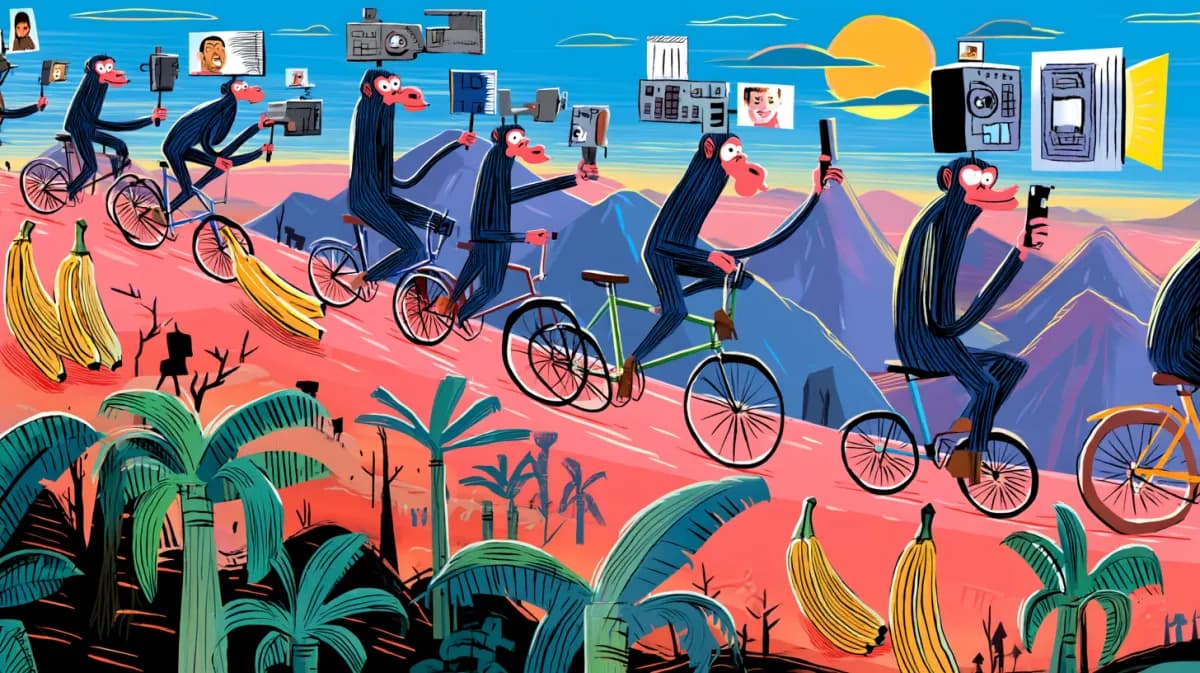 release
Topview added Seedance 2.0 to Agent V2, pairing multi-scene generation with a storyboard timeline and Business Annual access billed as 365 days of unlimited generations. That moves longform video workflows toward editable sequences instead of stitched clips.
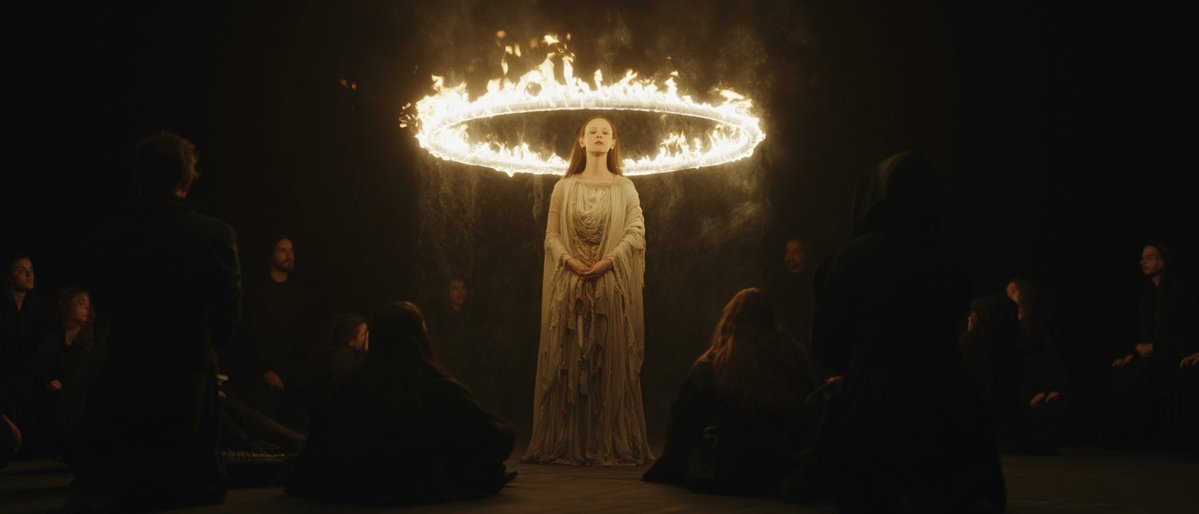 workflow
Creators are moving from V8 calibration complaints to darker film-still scenes, fashion shots, and worldbuilding tests, with ECLIPTIC remakes showing stronger depth and lighting. Retest saved SREF recipes if you rely on V8 for cinematic ideation.
 workflow
A shared workflow converts GTA-style stills into photoreal images with Nano Banana 2, then animates them in LTX-2.3 Pro 4K using detailed material, skin, vehicle, and camera prompts. Try it for trailer-style previsualization if you want more control at lower cost.
 workflow
Shared Nano Banana 2 workflows now cover turnaround sheets, distinctive facial traits, and photoreal rerenders that keep the framing of a reference image. Use one prompt grammar for concept art, editorial portraits, and animation prep.
90 minutes from AI image to website No Figma and no dev team. Only - 1 AI-generated concept image - Google AI Studio - me with ZERO web experience Here's the workflow overview (steal it) 👇
Image-to-Website is finally here - Nano Banana - Claude Sonnet 4.6 - Google AI Studio - $0 What’s holding you back? Save this 👇

90 minutes from AI image to website No Figma and no dev team. Only - 1 AI-generated concept image - Google AI Studio - me with ZERO web experience Here's the workflow overview (steal it) 👇