Kling 3.0 creators showed tighter results for boxing, spaceship fly-bys, horror beats, and POV sequences built from linked stills. Try these workflows if you want repeatable genre-specific shot design instead of one-off clips.

The standout pattern is not “better video” in the abstract. It is better control over shot types that usually fall apart: impact-heavy action, creature reveals, and fast cinematic movement. In the boxing example, the prompt is unusually specific about scene grammar — underground ring, shouting crowd, harsh overhead light, sweat flying, and a camera moving tightly around the fighters — and the result holds onto that close-orbit camera idea instead of dissolving into generic motion boxing prompt.
The same creator is getting usable horror beats from short setups. One post frames Kling 3.0 as having “a lot of potential” for horror via a ceiling-view scare horror reaction, while the under-the-bed clip lands a clearer creature reveal with dim bedroom lighting and a tight closing close-up bed monster demo. Sci-fi motion also reads stronger: the spaceship sample keeps a coherent hull design through a rapid fly-by and close-up transition, which is exactly the kind of continuity creators want for intros, trailers, and previsualization spaceship clip.
The most concrete workflow here comes from Freepik users building POV videos as linked image sequences rather than one big grid. Techhalla’s thread says the stack is Nano Banana 2 for the base stills and Kling 3.0 for motion using start/end frames, with each still modified one by one so the overall aesthetic stays locked while key elements remain consistent across shots workflow thread. The screen recording in the tutorial shows a prompt to pull up “a real photo of the painting,” then extends that image step by step before handing pairs of frames to Kling for animation POV workflow screen.
That same pattern is already showing up in finished clips, not just tutorials. The dune-buggy post explicitly credits Freepik, Nano Banana 2, and Kling 3.0 for a high-speed desert shot buggy clip. Another short helmet clip points to the broader tooling ecosystem around Kling 3.0, including start/end-frame workflows and multi-model video generation described in the tool page.
Seedance 2.0 is rolling out through Dreamina on CapCut desktop and web, starting in Southeast Asia plus Brazil and Mexico. Watch region-gated access if you need it now, since U.S. availability is still delayed.
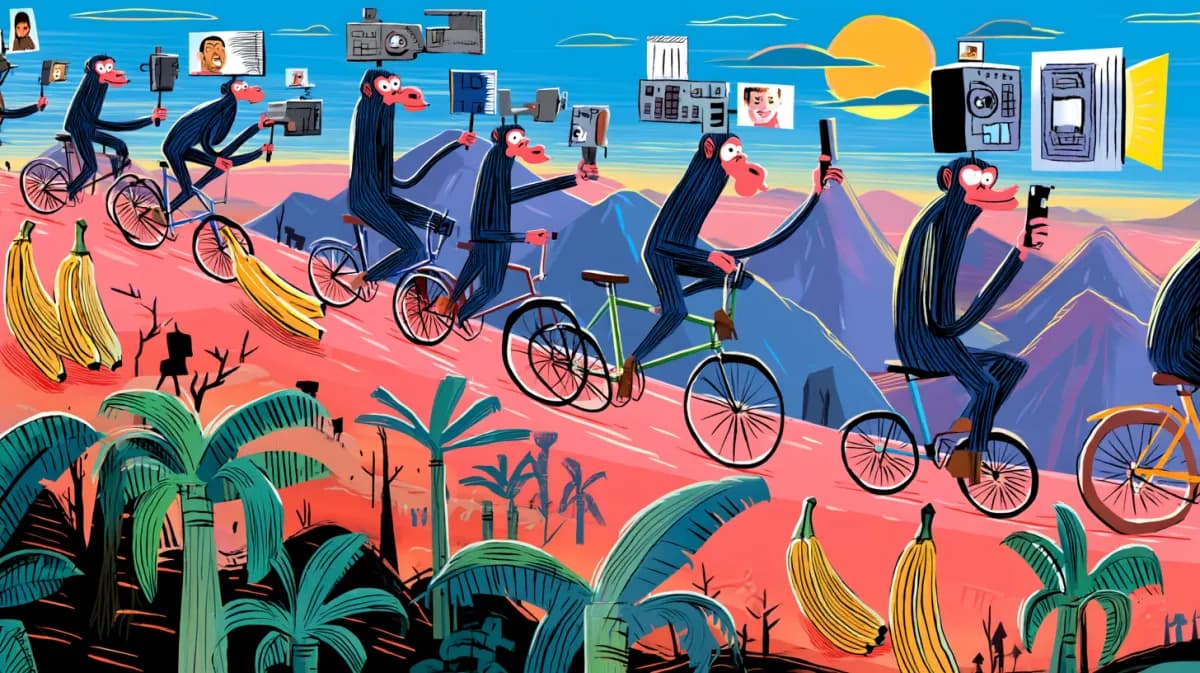 release
Topview added Seedance 2.0 to Agent V2, pairing multi-scene generation with a storyboard timeline and Business Annual access billed as 365 days of unlimited generations. That moves longform video workflows toward editable sequences instead of stitched clips.
 workflow
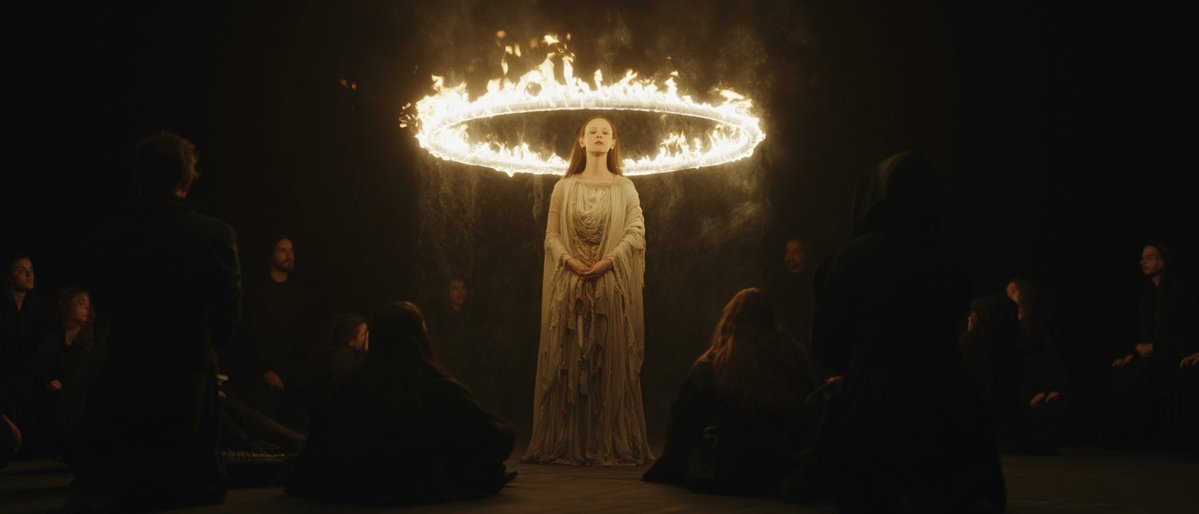
Creators are moving from V8 calibration complaints to darker film-still scenes, fashion shots, and worldbuilding tests, with ECLIPTIC remakes showing stronger depth and lighting. Retest saved SREF recipes if you rely on V8 for cinematic ideation.
 workflow
A shared workflow converts GTA-style stills into photoreal images with Nano Banana 2, then animates them in LTX-2.3 Pro 4K using detailed material, skin, vehicle, and camera prompts. Try it for trailer-style previsualization if you want more control at lower cost.
 workflow
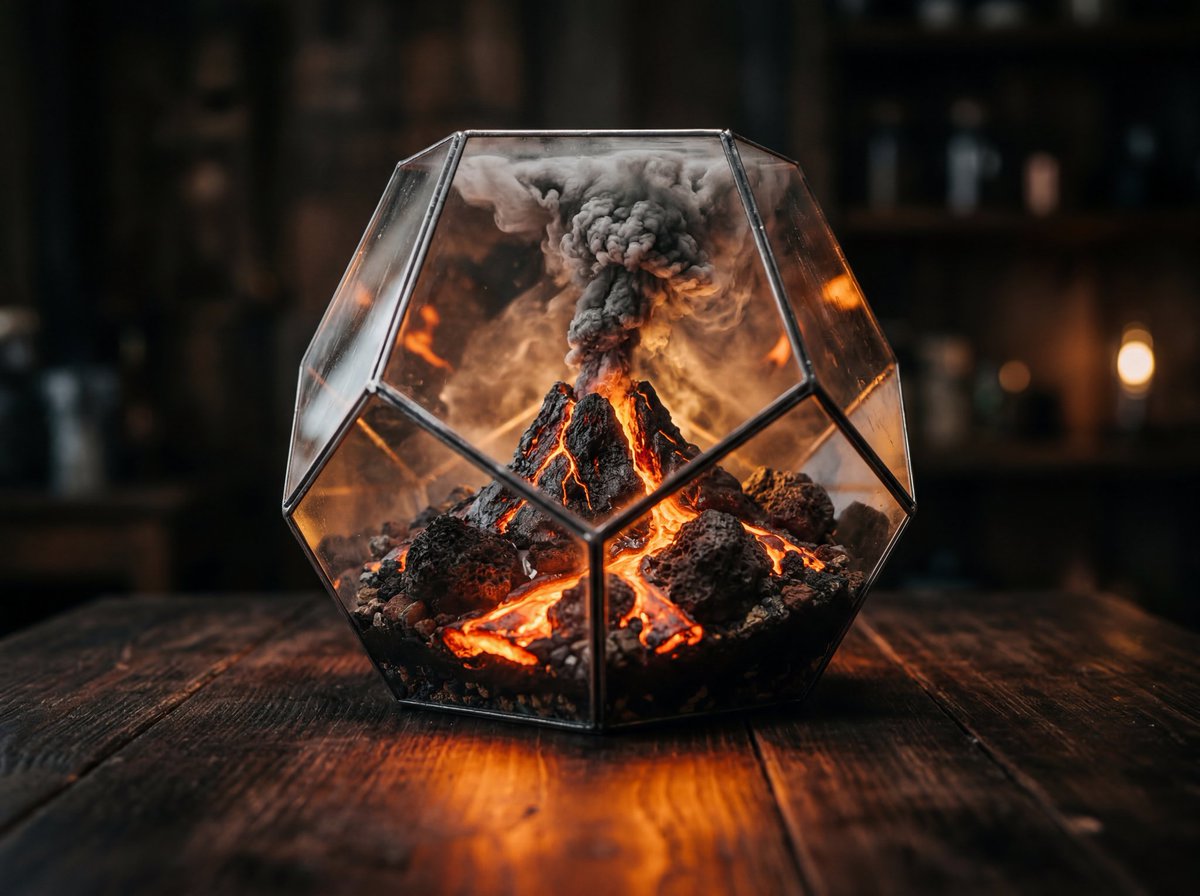
Shared Nano Banana 2 workflows now cover turnaround sheets, distinctive facial traits, and photoreal rerenders that keep the framing of a reference image. Use one prompt grammar for concept art, editorial portraits, and animation prep.
I hadn’t tried this before, but @Kling_ai 3.0 is also really good for boxing scenes 🥊 Prompt: Underground boxing ring surrounded by shouting crowd, two fighters circling each other under harsh overhead light, sweat flying as punches land, camera moving tightly around the
Do you usually look under the bed? Maybe you should. A little dose of horror with Kling 3.0 at night.
AI POV videos are getting ridiculously good right now. Here’s how to make your own on freepik 🧵
me and my friends on a buggy full speed in the desert made on Freepik with nano banana 2 and kling 3.0