Creators report Kling 3.0 can turn still monitors into portal handshakes, desk fights, and morph-driven scenes, including inside Leonardo. Lock composition and set clear start and end frames if you want cleaner reality-break shots.

The most useful update for creators is not a new model claim so much as a repeatable shot design. In techhalla's demo, the sequence starts with an ordinary phone video, pulls the last frame into Leonardo, restyles it with Nano Banana 2, then uses Kling 3.0 to morph between a start and end frame. The follow-up post says the same project can then move into Kling's Omni model inside Leonardo while keeping the same character and adding a street photo as a reference.
That makes the workflow more practical than a one-off effect. Instead of prompting a full scene from zero, creators are anchoring motion to captured footage, fixed reference frames, and a reused character image so the transition reads as one shot rather than a sequence of loosely matched generations.
The strongest Kling 3.0 examples are all built on the same instruction set: use the uploaded image as the base reference, keep the composition exactly the same, begin as a still, then introduce one impossible event. In the handshake clip, that event is a character slowly animating inside the monitor, pushing a hand through a liquid-glass screen, and meeting the real hand in front of it. The linked prompt page preserves the rest of the scene — monitor, lighting, framing, and hand position — while only the portal action changes.
A second test swaps the handshake for a desk-scale breakout: the character emerges from the screen, lands beside a black cat toy, and the toy comes alive for a fight. A separate creator also showed Kling V3 handling a longer cinematic scene inside Stages, suggesting the model is not limited to short novelty gags if the concept is storyboarded first submarine short.
A Freepik Spaces workflow now uses Nano Banana 2 for stills, Veed Fabric for closeup lipsync, OmniHuman for directed performance, and Kling 3.0 for motion clips. Split one music video into model-specific stages instead of forcing a single tool to handle everything.
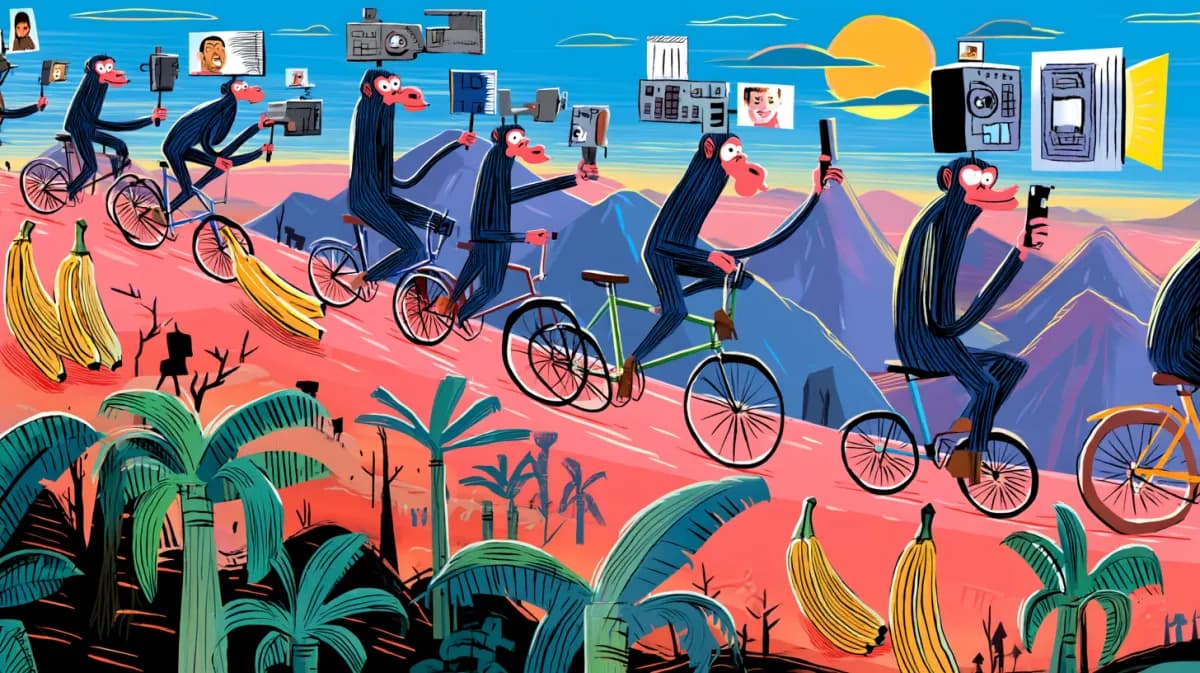 release
Topview added Seedance 2.0 to Agent V2, pairing multi-scene generation with a storyboard timeline and Business Annual access billed as 365 days of unlimited generations. That moves longform video workflows toward editable sequences instead of stitched clips.
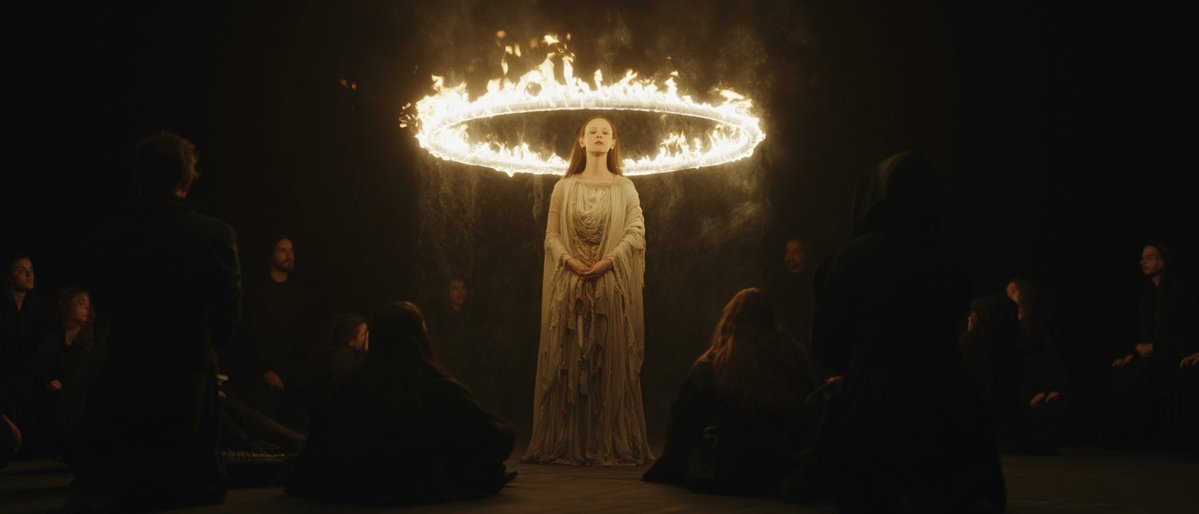 workflow
Creators are moving from V8 calibration complaints to darker film-still scenes, fashion shots, and worldbuilding tests, with ECLIPTIC remakes showing stronger depth and lighting. Retest saved SREF recipes if you rely on V8 for cinematic ideation.
 workflow
A shared workflow converts GTA-style stills into photoreal images with Nano Banana 2, then animates them in LTX-2.3 Pro 4K using detailed material, skin, vehicle, and camera prompts. Try it for trailer-style previsualization if you want more control at lower cost.
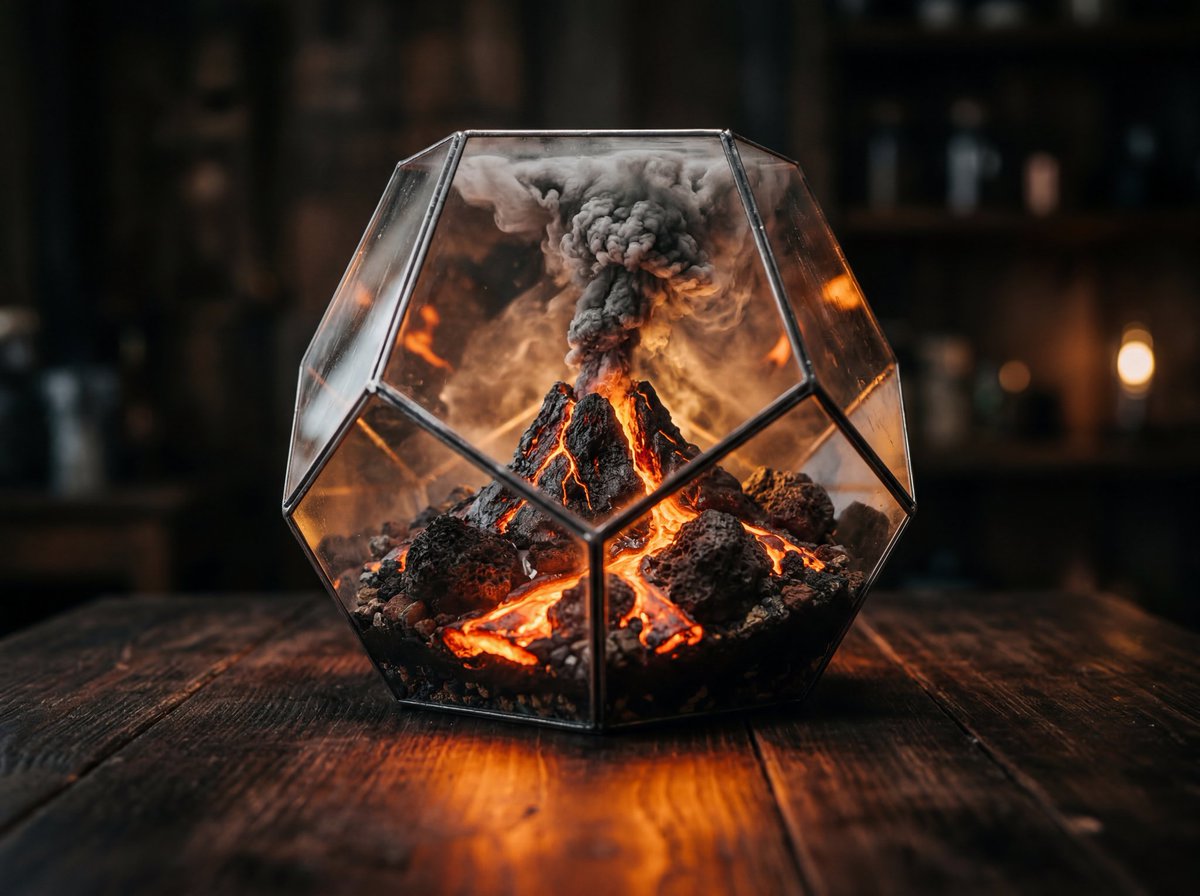 workflow
Shared Nano Banana 2 workflows now cover turnaround sheets, distinctive facial traits, and photoreal rerenders that keep the framing of a reference image. Use one prompt grammar for concept art, editorial portraits, and animation prep.
Getting consistent AI characters used to be a pain in the ass. But my tiger balm workflow in Leonardo completely fixes that, lemme show you how 👇


