LTX-2.3 opened a production API with upgrades to detail, audio, image-to-video motion, prompt following, and native vertical output. Use it to ship open video in real workflows, whether you run locally or in the cloud for lip-synced shorts.

The main change is access. As the launch thread frames it, LTX-2.3 is now available as a production API, so teams no longer need a local GPU or self-hosted setup to use the open video model in real workflows. The linked model page describes 4K output, synchronized audio-visual generation, portrait video up to 1080×1920, and clips up to 20 seconds.
Under that API launch is a meaningful model refresh. Hasan's breakdown says LTX rebuilt its VAE on less-compressed data for cleaner textures and edges detail upgrade, filtered training data to reduce noisy, artifact-heavy audio audio upgrade, and improved image-to-video so motion feels less like a slideshow and more like actual scene movement I2V upgrade. The prompt-following update also matters for directors and editors: the prompt post says camera angle, motion direction, and composition now stick more reliably.
Native vertical output may be the most immediately useful creative change. Instead of reframing landscape generations for Shorts, Reels, and TikTok, the portrait demo says LTX-2.3 handles portrait video natively.
The most concrete workflow in the evidence comes from TechHalla's demo, who says a finished video cost $9.39 and took under two hours. The thread in the setup steps starts with generated stills, using Nano Banana 2 inside LTX with a reference photo, then turns those stills into animated shots.
The second step is audio-to-video. the workflow post says you attach audio to a still, use prompting to control camera movement and character motion, and rely on built-in lip sync for dialogue shots. For pickup shots, the same thread describes generating filler scenes from just a still and a prompt, using fast passes for testing and Pro renders for finals.
That makes LTX-2.3 look less like a pure text-to-video toy and more like a shot assembly tool: stills for visual continuity, audio-to-video for speaking beats, and extra generations to bridge cuts.
LTX's clearest target is not hobby prompting. In the API breakdown, Hasan points to companies embedding AI video in products, model-aggregation platforms, builders of verticalized tools, and teams automating content pipelines. That fits the release itself: the big story is not one flashy sample, but an open model that now ships in API form with vertical video, audio, and stronger controllability.
For creators, that combination is the point. Local use is still part of the pitch, but the new API means the same model can sit behind desktop experimentation and production deployment without changing tools or rebuilding the workflow from scratch.
Seedance 2.0 is rolling out through Dreamina on CapCut desktop and web, starting in Southeast Asia plus Brazil and Mexico. Watch region-gated access if you need it now, since U.S. availability is still delayed.
 release
Topview added Seedance 2.0 to Agent V2, pairing multi-scene generation with a storyboard timeline and Business Annual access billed as 365 days of unlimited generations. That moves longform video workflows toward editable sequences instead of stitched clips.
 workflow
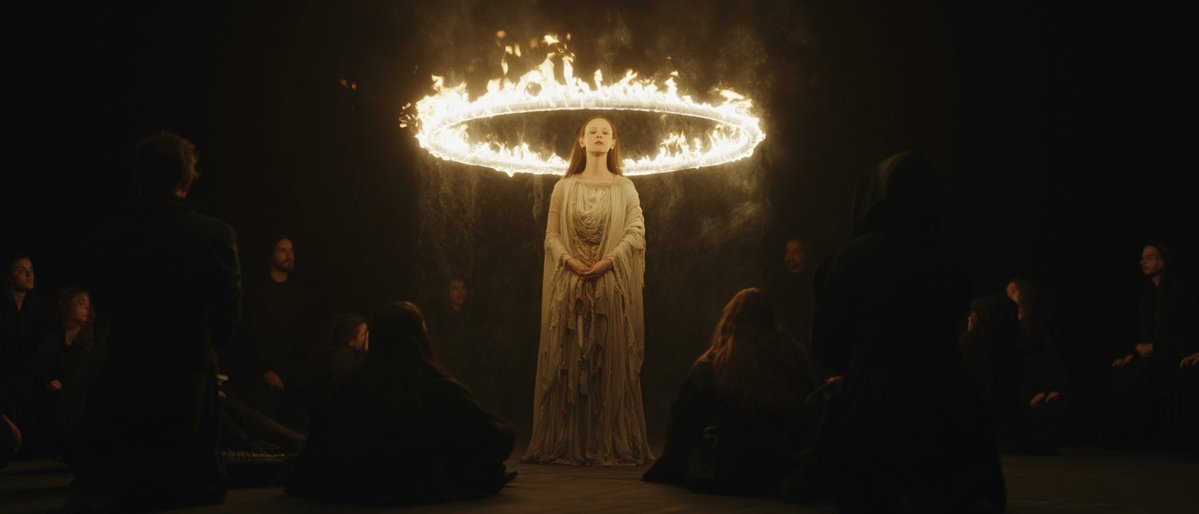
Creators are moving from V8 calibration complaints to darker film-still scenes, fashion shots, and worldbuilding tests, with ECLIPTIC remakes showing stronger depth and lighting. Retest saved SREF recipes if you rely on V8 for cinematic ideation.
 workflow
A shared workflow converts GTA-style stills into photoreal images with Nano Banana 2, then animates them in LTX-2.3 Pro 4K using detailed material, skin, vehicle, and camera prompts. Try it for trailer-style previsualization if you want more control at lower cost.
 workflow
Shared Nano Banana 2 workflows now cover turnaround sheets, distinctive facial traits, and photoreal rerenders that keep the framing of a reference image. Use one prompt grammar for concept art, editorial portraits, and animation prep.
LTX-2.3 just dropped a production API and it's the most important move in AI video this year. No local GPU. No VRAM hell. No self-hosting. Just the most downloaded open-source multimodal video engine served at scale. Here's everything that changed: 🧵
Making this video cost me less than 10$. Lemme show you how you can create your own using LTX-2.3 Desktop 👇
You should try AI Audio to Video👇

Making this video cost me less than 10$. Lemme show you how you can create your own using LTX-2.3 Desktop 👇
4. Portrait video support Native vertical video up to 4K. Not cropped. Not resized. Built natively for vertical the format that actually gets watched in 2026. Reels. TikToks. YouTube Shorts. The API handles all of it out of the box.
Who this is actually for: → Companies embedding AI video into their products → Platforms aggregating multiple AI models → Builders shipping verticalized video tools → Anyone automating content pipelines at scale The most downloaded open-source multimodal video model is now Show more