A day after launch, creators showed OpenArt Worlds turning a handful of images into navigable scenes for shot capture and character blocking. It works like fast previs from concept art instead of a full 3D build.

The clearest workflow comes from techhalla's walkthrough: start a World inside OpenArt, upload one to four reference images, add a text description for what should appear in the scene, then wait roughly five minutes for a fully navigable 3D space. The attached video shows the jump from a single futuristic city image to a space the camera can move through, which makes the tool feel closer to instant previs than to a traditional 3D environment pipeline.
A second creator demo in MayorKingAI's post pushes the same idea toward production language. The clip shows camera exploration inside stylized environments and explicitly pitches the output as something a tiny team could use to make finished video quickly. Between the two posts, the practical use case is not “generate a pretty world” but “turn concept art or keyframes into a space you can actually stage shots inside.”
The most concrete creator takeaway is scene consistency. In a reply from pzf_ai, the filmmaker says coherent backgrounds across shots have been a major challenge, and the original poster agrees in the follow-up that a shared world should make everything fit together better. That is a narrower claim than full virtual production, but it is useful: if the same image set can become a reusable navigable scene, creators get a faster way to block cameras and maintain visual continuity before doing heavier compositing or character work.
Multiple posts say serialized AI fruit reality clips are matching or beating Love Island on per-episode views and follower growth. Keep an eye on recurring characters, simple drama, and fast episode cadence as a breakout AI-native format.
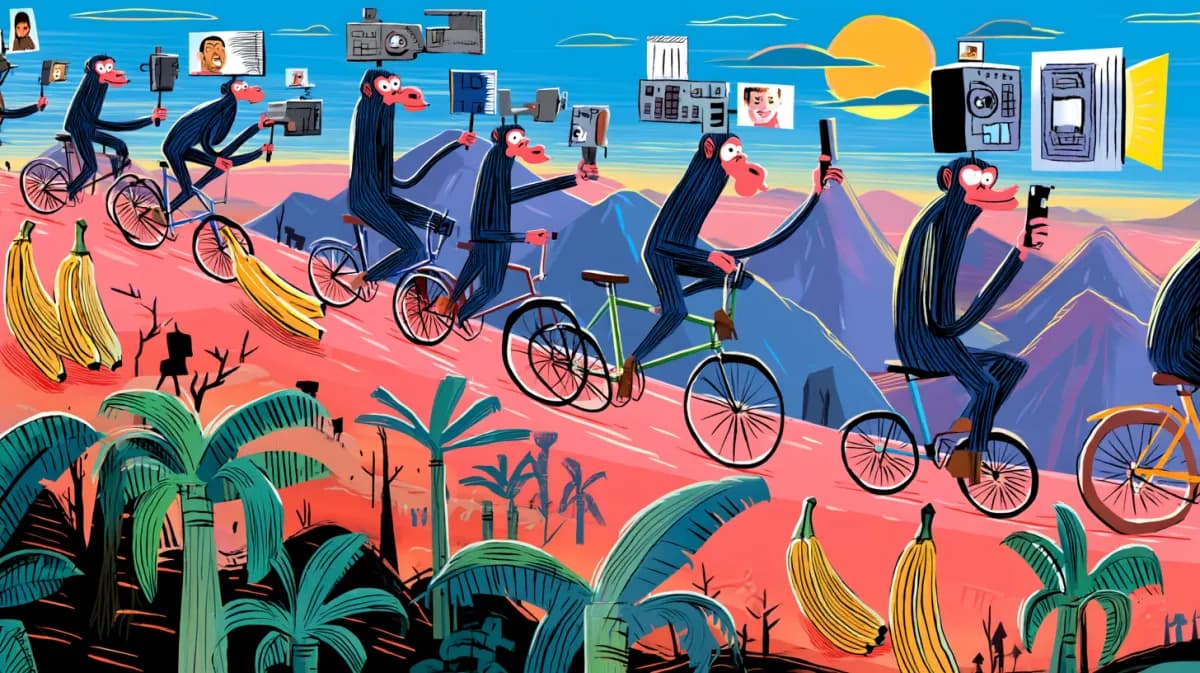 release
Topview added Seedance 2.0 to Agent V2, pairing multi-scene generation with a storyboard timeline and Business Annual access billed as 365 days of unlimited generations. That moves longform video workflows toward editable sequences instead of stitched clips.
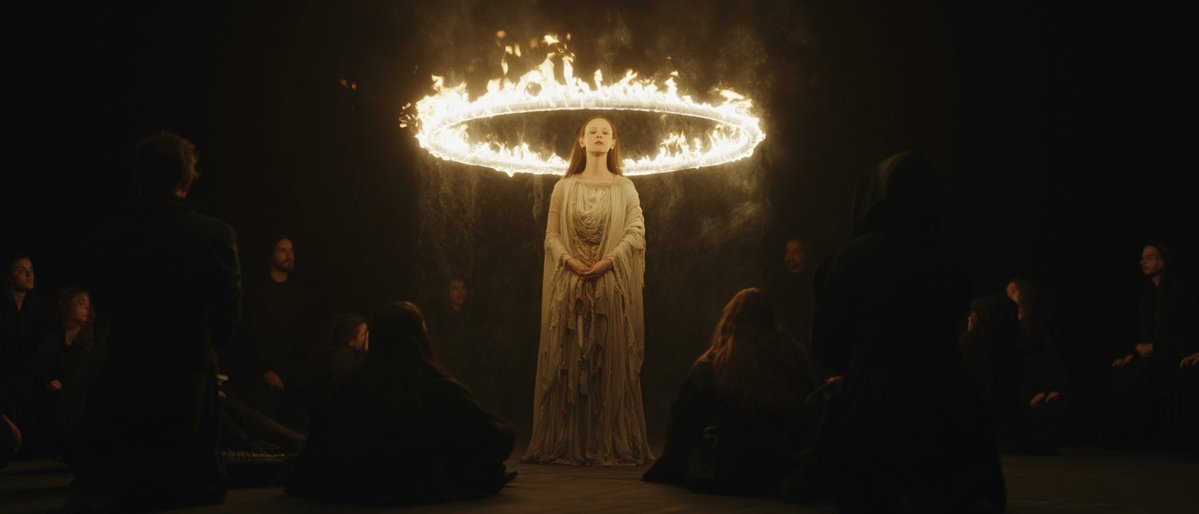 workflow
Creators are moving from V8 calibration complaints to darker film-still scenes, fashion shots, and worldbuilding tests, with ECLIPTIC remakes showing stronger depth and lighting. Retest saved SREF recipes if you rely on V8 for cinematic ideation.
 workflow
A shared workflow converts GTA-style stills into photoreal images with Nano Banana 2, then animates them in LTX-2.3 Pro 4K using detailed material, skin, vehicle, and camera prompts. Try it for trailer-style previsualization if you want more control at lower cost.
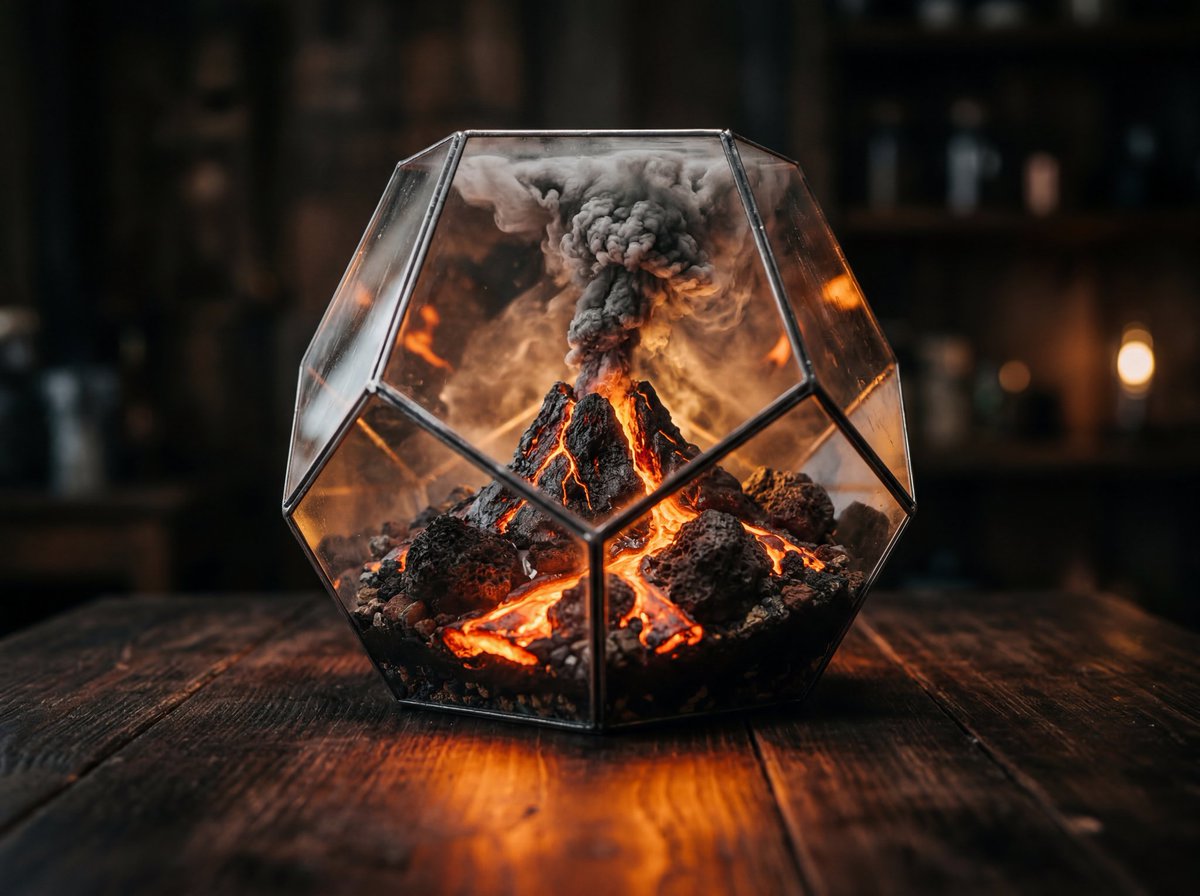 workflow
Shared Nano Banana 2 workflows now cover turnaround sheets, distinctive facial traits, and photoreal rerenders that keep the framing of a reference image. Use one prompt grammar for concept art, editorial portraits, and animation prep.
This is huge for AI filmmaking. you can create a 3D navigable world from any image with OpenArt Worlds, take shots and integrate characters! Here's how 👇
The next award-winning film won’t come from using some expensive gear and a 200-person crew It’ll be made in 4 days by 4 people, powered by Soul Cinema, just like the videos here

🧩 We just saved $100,000,000 in 4 days making this AI movie Introducing Higgsfield Original Series - world's first complete AI streaming platform showcasing next generation AI filmmakers. Discover AI films and series and vote on which of the teasers gets continued. Revolution
This is massively helpful for creating consistent scenes in films. It's always been a big challenge to get backgrounds consistent and coherent. Going to try this out today!


