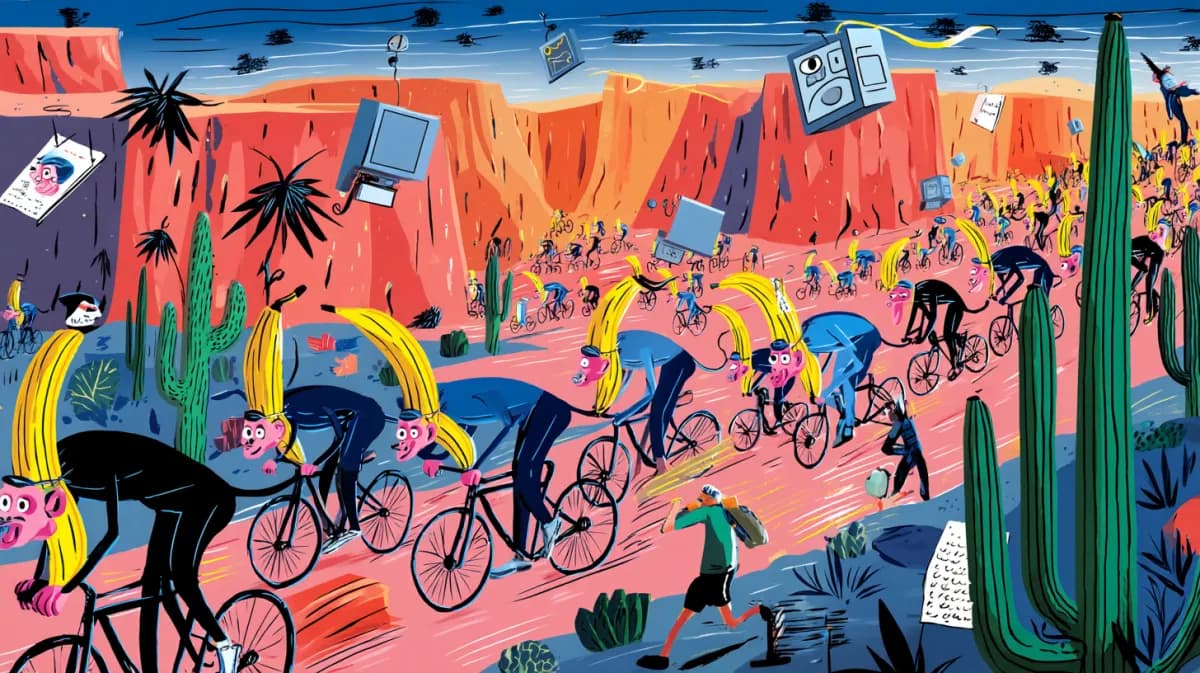
Creators are using Seedance 2 for fighting-game motion, classic-animation looks, cosmic shorts, anime-noir set pieces, horror tests, and ASCII experiments. Reuse a strong prompt structure across scenes, then mix in Midjourney or Kling only when a shot needs a different finish.

The clearest demos are action-first. In 0xInk’s clip, Seedance 2 drives a stylized 3D fighter through poses and transitions that read more like a game animation test than a single cinematic shot; the companion mountain-destruction post pushes the same idea into impact-heavy VFX, with strikes breaking an environment into particles. That matters because both clips are testing continuity of motion, not just texture.
A different lane is emerging around style transfer and genre homage. Artedeingenio says their post Seedance 2.0 can reach a classic animated-film feel when paired with Midjourney-style source imagery, then follows with an anime-noir scene that recreates Inception’s rotating hallway as a tightly art-directed zero-gravity fight. The same creator’s horror variation suggests the prompt structure is portable across genres, with noir movement language carrying over into a darker, rain-soaked setup.
The workflow story here is less “one perfect prompt” than reusable scene logic. DavidmComfort’s cosmic short says the film was made primarily with Seedance 2.0, then combined with Kling, which is a practical sign that creators are assigning different tools to different shot classes instead of forcing one model across the whole timeline.
That same modular approach appears in the multi-sequence test, which explicitly mentions both image-to-video and multi-sequence generation. Across the examples, the pattern is consistent: lock a visual grammar, reuse it across scenes, and swap in outside tools only when a shot needs a different finish or source image pipeline.
The interesting edge cases are already arriving. 0xInk’s ASCII experiment treats Seedance 2 as a motion engine for a deliberately low-fi visual language, while the action clips and noir sequences show the same system being bent toward higher-production genre work.
Even the looser examples support the same conclusion. Artedeingenio’s posts move from classic-animation nostalgia to anime-noir and horror without changing the underlying claim that a structured prompt recipe can hold up across multiple scenes classic-animation look anime-noir scene. Seedance 2 is starting to look less like a single-shot demo model and more like a rough-cut engine for short films.
Topview added Seedance 2.0 to Agent V2, pairing multi-scene generation with a storyboard timeline and Business Annual access billed as 365 days of unlimited generations. That moves longform video workflows toward editable sequences instead of stitched clips.
 release
Topview added Seedance 2.0 to Agent V2, pairing multi-scene generation with a storyboard timeline and Business Annual access billed as 365 days of unlimited generations. That moves longform video workflows toward editable sequences instead of stitched clips.
 workflow
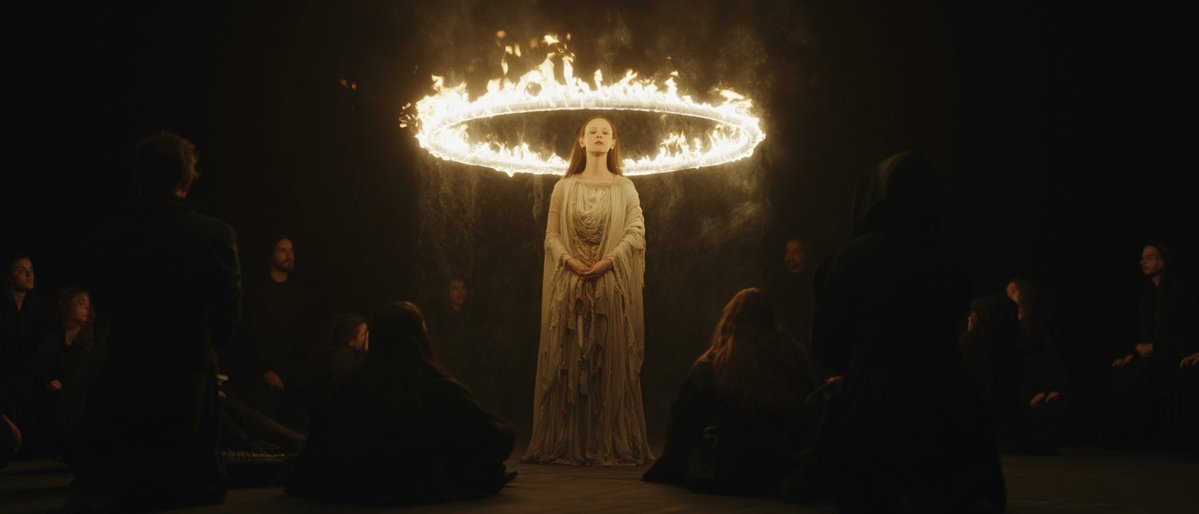
Creators are moving from V8 calibration complaints to darker film-still scenes, fashion shots, and worldbuilding tests, with ECLIPTIC remakes showing stronger depth and lighting. Retest saved SREF recipes if you rely on V8 for cinematic ideation.
 workflow
A shared workflow converts GTA-style stills into photoreal images with Nano Banana 2, then animates them in LTX-2.3 Pro 4K using detailed material, skin, vehicle, and camera prompts. Try it for trailer-style previsualization if you want more control at lower cost.
 workflow
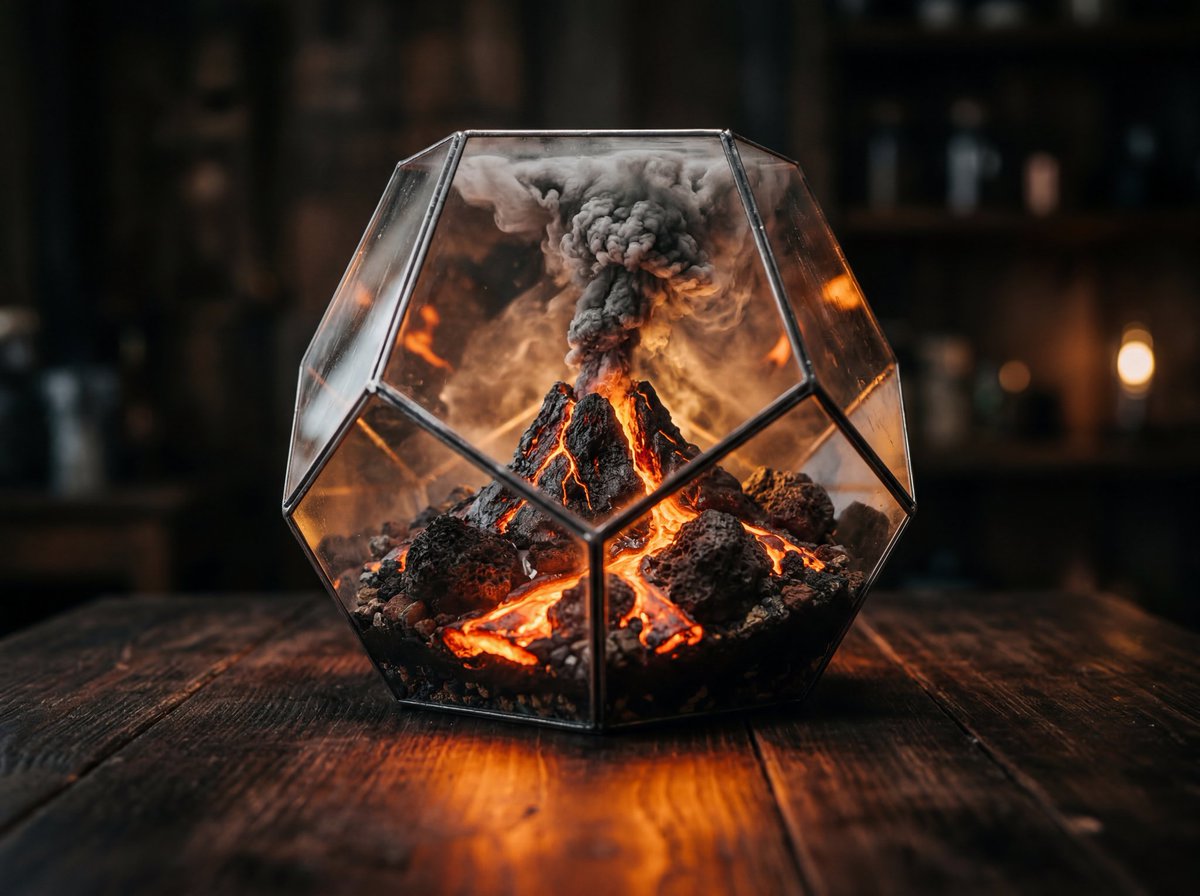
Shared Nano Banana 2 workflows now cover turnaround sheets, distinctive facial traits, and photoreal rerenders that keep the framing of a reference image. Use one prompt grammar for concept art, editorial portraits, and animation prep.
the kind of animation you find in fighting games made with Seedance 2 on Martini Art
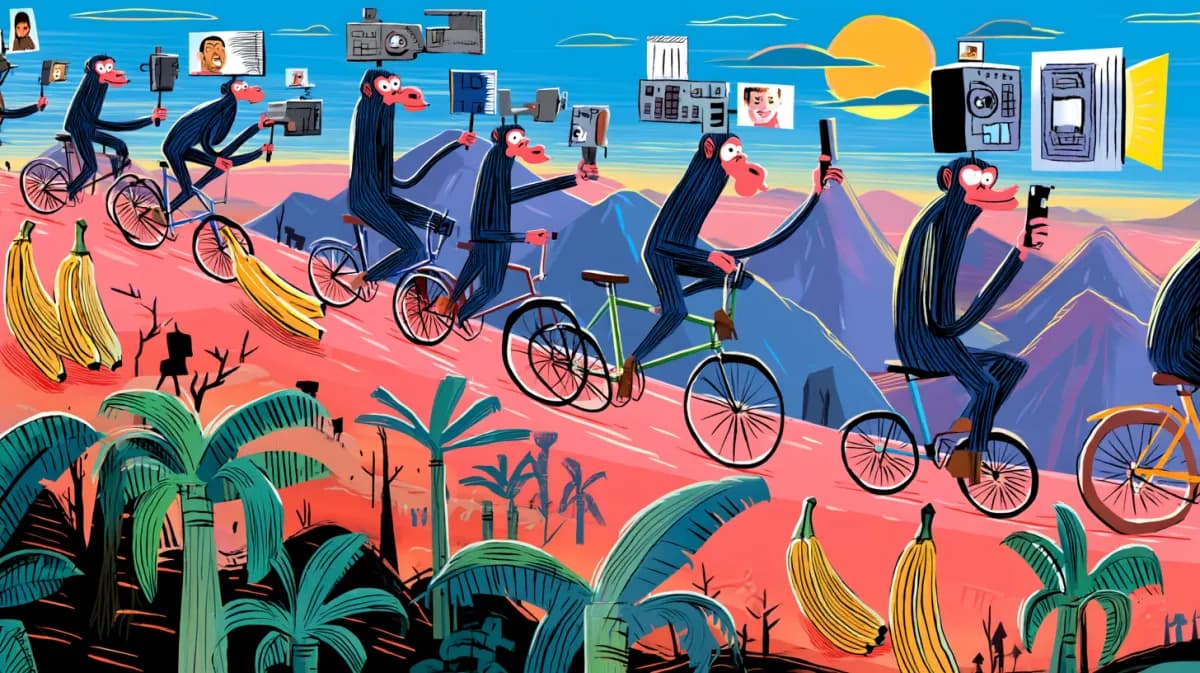
I was inspired by first scene in 2001 to create this sequence Using Seedance 2.0 in @YouArtStudio
Seedance 2 + ASCII art insane combo
One of the things that amazes me most about Seedance 2.0 is that with this technology I could create classic-style animated films, something many nostalgic fans would definitely appreciate, as well as kids today. That said, it’s always better to use Midjourney styles like this Show more