Stages AI updated the VIDX editor with tracking, rotoscope, grading, keyframing, and speed-ramping tools, while users also showed Connect handoffs into OpenClaw and Blender. Use it if you are building an AI-assisted post pipeline instead of relying on one-off generations.

The new VIDX pass is centered on edit controls rather than generation prompts. Dustin Hollywood's feature rundown lists adjustment layers, blob tracking, motion tracking, rotoscope, grading controls for exposure, lighting, and contrast, plus transitions, effects, text overlays, motion keyframing, speed control, speed ramping, and overlay blending. The attached VIDX walkthrough rapidly shows those tools inside the interface, suggesting VIDX is being positioned as a lightweight finishing environment instead of just a render output pane.
The same post says a "Quick Look" toggle is coming so users can compare the treated shot against the underlying image. That matters because most of the newly named tools—tracking, rotoscope, grading, and speed changes—are the kinds of edits creators usually need to evaluate against original footage, not in isolation.
The more ambitious demo is the Connect handoff. In Dustin Hollywood's workflow post, Stages AI Connect routes work into Agent OpenClaw and Blender, generating one-shot textures and a full prompt to build a planet, add particle dispersion, and set animation and lighting in one pass. The pipeline demo cuts between code, app windows, and Blender viewports, showing the value proposition clearly: Stages is trying to orchestrate multiple creative apps rather than keep everything inside a single canvas.
That makes the VIDX update easier to read. One half of the product story is cross-app scene building; the other half is post control after the assets or shots exist. The phrase in the Connect post about multiplying this by "every creative app on your computer" frames Stages less as a single model experience and more as a glue layer for mixed AI and DCC workflows.
A shared workflow converts GTA-style stills into photoreal images with Nano Banana 2, then animates them in LTX-2.3 Pro 4K using detailed material, skin, vehicle, and camera prompts. Try it for trailer-style previsualization if you want more control at lower cost.
 release
Topview added Seedance 2.0 to Agent V2, pairing multi-scene generation with a storyboard timeline and Business Annual access billed as 365 days of unlimited generations. That moves longform video workflows toward editable sequences instead of stitched clips.
 workflow
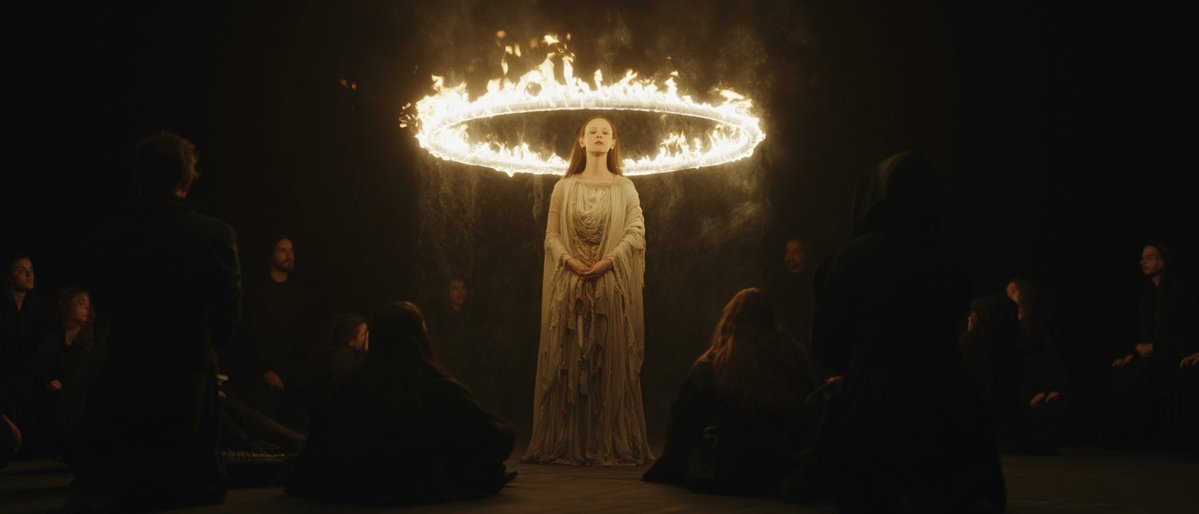
Creators are moving from V8 calibration complaints to darker film-still scenes, fashion shots, and worldbuilding tests, with ECLIPTIC remakes showing stronger depth and lighting. Retest saved SREF recipes if you rely on V8 for cinematic ideation.
 workflow
A shared workflow converts GTA-style stills into photoreal images with Nano Banana 2, then animates them in LTX-2.3 Pro 4K using detailed material, skin, vehicle, and camera prompts. Try it for trailer-style previsualization if you want more control at lower cost.
 workflow
Shared Nano Banana 2 workflows now cover turnaround sheets, distinctive facial traits, and photoreal rerenders that keep the framing of a reference image. Use one prompt grammar for concept art, editorial portraits, and animation prep.
From @Stages_ai Connect to @agentopenclaw and @Blender
VIDX editor in @stages_ai is lit 🔥❤️🔥 Adjustment layers Blob tracking Motion tracking Rotoscope Color grading + Exposure/lighting/contrast settings Transitions + Effects Text overlays + Motion Keyframing Speed control + Speed Ramping Overlay Blending + a lot more! I’m gonna Show more