Creators are pairing Nano Banana renders with Tripo Smart Mesh for mesh generation, texturing, auto-rigging, and Blender export, while Meshy tutorials cover full environment workflows. If you need a faster 2D-to-3D handoff, prep clean A-poses and flat backgrounds first.
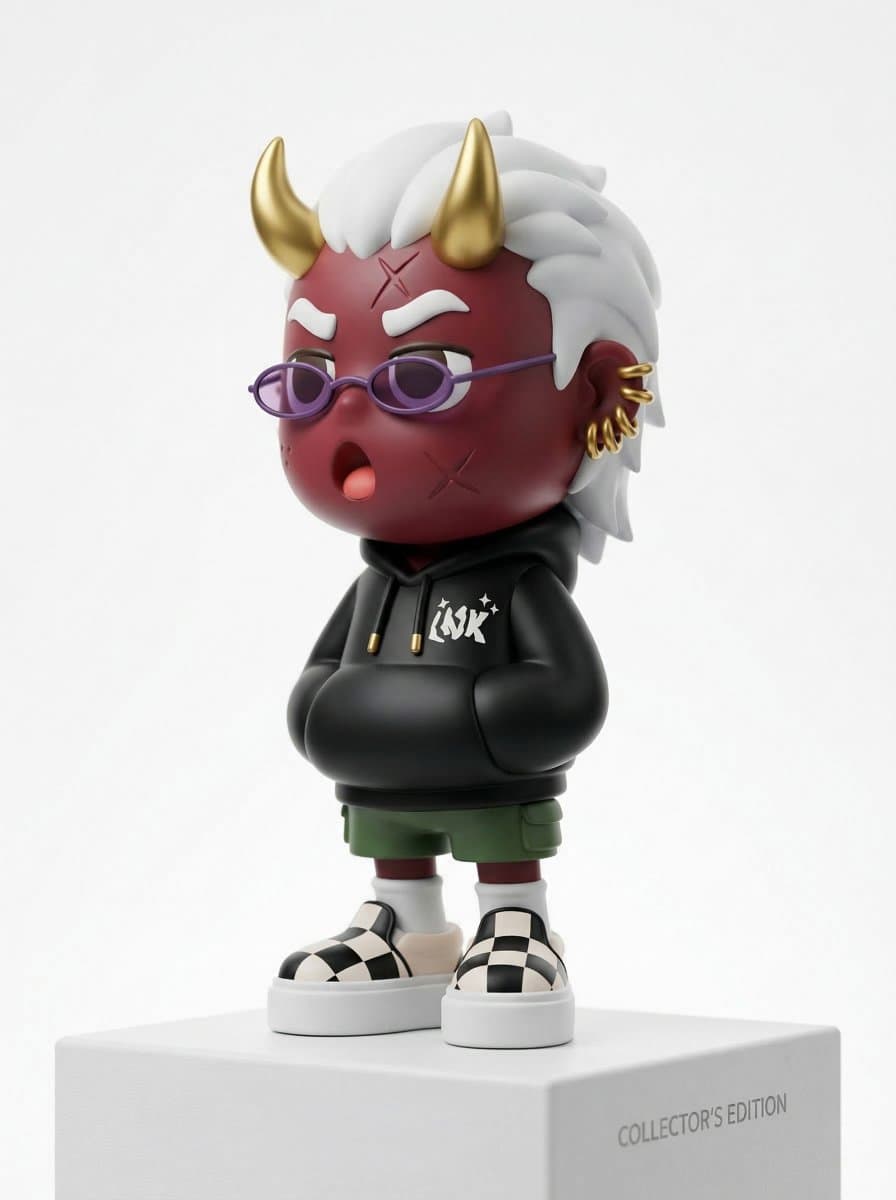
The Tripo walkthrough is less about a new aesthetic than a cleaner production handoff. In techhalla's demo, the flow is: generate a character image, upload it to Smart Mesh, adjust polygon count, texture the result, then export the model for downstream work. The companion post says Tripo also auto-builds a skeleton, adds preset animations, and exports as GLB or FBX for Blender Rigging and export.
What makes the demo useful for creators is the input guidance. According to the thread, the source renders were made as full-body characters in an A-pose against a flat background, which reduces ambiguity before meshing. That turns the claim from pure speed marketing into a repeatable setup. A separate post by 0xInk shows the same creator logic in miniature: start from a clean 2D character illustration, then push it toward a collectible-style 3D object with Nano Banana 2 Art toy conversion.
Meshy is pitching the broader environment workflow rather than just the character pass. Its kitchen-simulator example shows a furnished interactive scene, and the linked full tutorial frames the process as Meshy plus Blender for assembling, editing, and finishing a complete interior build. That makes it a complementary toolchain: Tripo for rapid character meshing and rig prep, Meshy for fast scene generation and cleanup into Blender.
The split is useful because the evidence here suggests two different bottlenecks are being compressed at once: character conversion on one side, environment production on the other. For small teams, the interesting part is not the 13-second claim by itself, but that both demos end at the same place: a Blender-ready asset pipeline Kitchen simulator.
A shared workflow converts GTA-style stills into photoreal images with Nano Banana 2, then animates them in LTX-2.3 Pro 4K using detailed material, skin, vehicle, and camera prompts. Try it for trailer-style previsualization if you want more control at lower cost.
 release
Topview added Seedance 2.0 to Agent V2, pairing multi-scene generation with a storyboard timeline and Business Annual access billed as 365 days of unlimited generations. That moves longform video workflows toward editable sequences instead of stitched clips.
 workflow
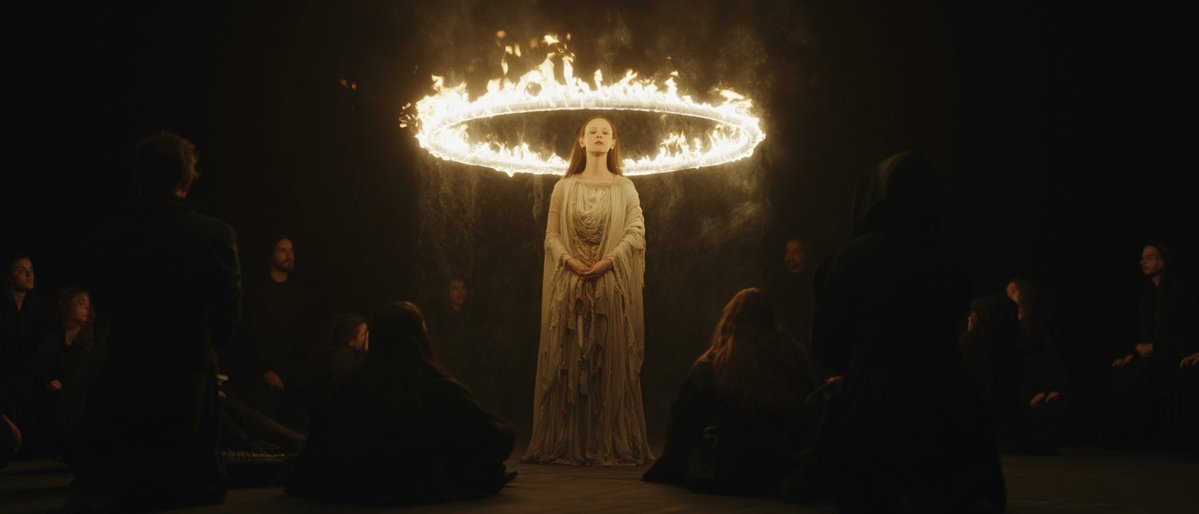
Creators are moving from V8 calibration complaints to darker film-still scenes, fashion shots, and worldbuilding tests, with ECLIPTIC remakes showing stronger depth and lighting. Retest saved SREF recipes if you rely on V8 for cinematic ideation.
 workflow
A shared workflow converts GTA-style stills into photoreal images with Nano Banana 2, then animates them in LTX-2.3 Pro 4K using detailed material, skin, vehicle, and camera prompts. Try it for trailer-style previsualization if you want more control at lower cost.
 workflow
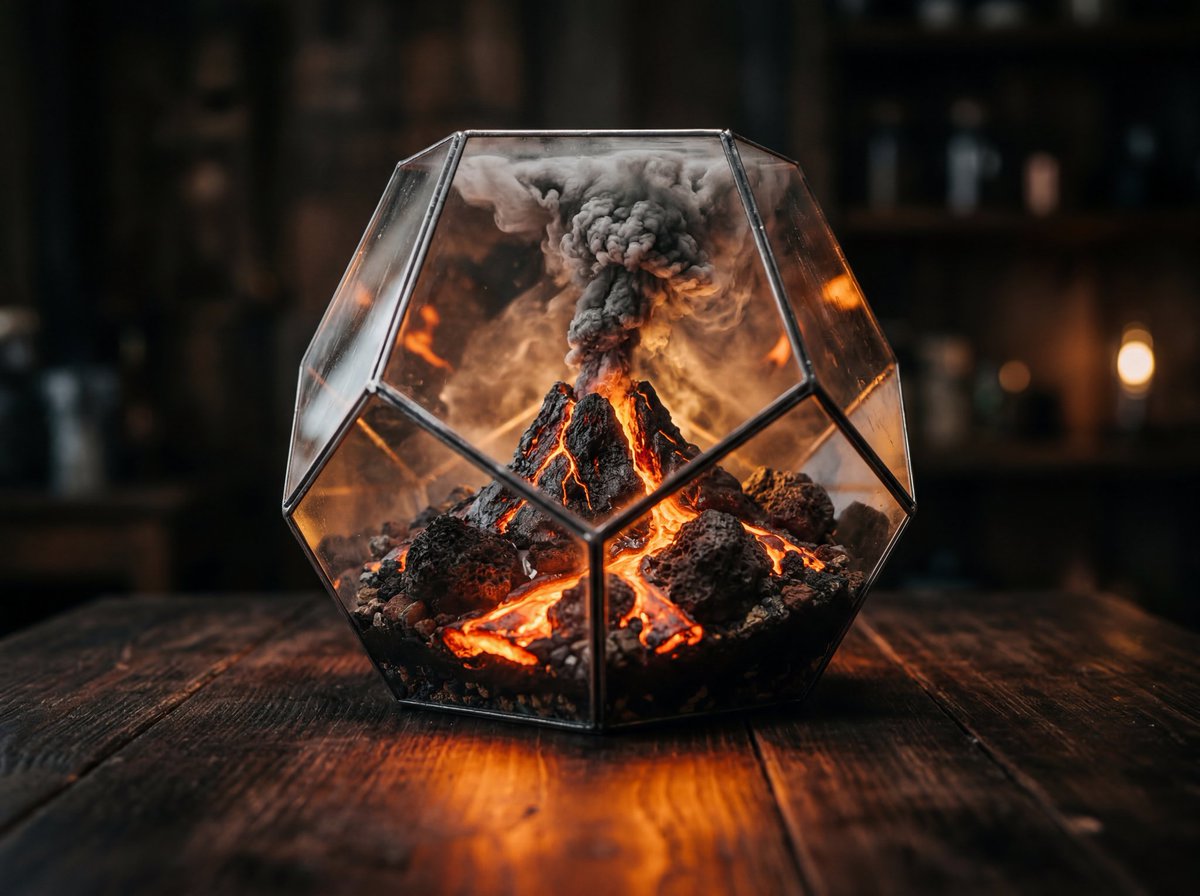
Shared Nano Banana 2 workflows now cover turnaround sheets, distinctive facial traits, and photoreal rerenders that keep the framing of a reference image. Use one prompt grammar for concept art, editorial portraits, and animation prep.
It used to take 3 days for a 3D mesh like these... now it's done in literally 13 SECONDS. Tripo Smart Mesh makes it happen, here's how 👇
Just whipped up a fully-furnished kitchen simulator! Sizzle juicy steaks, chop fresh veggies, and run a stress-free kitchen with ease. 👨🍳 Start building yours with Meshy today!