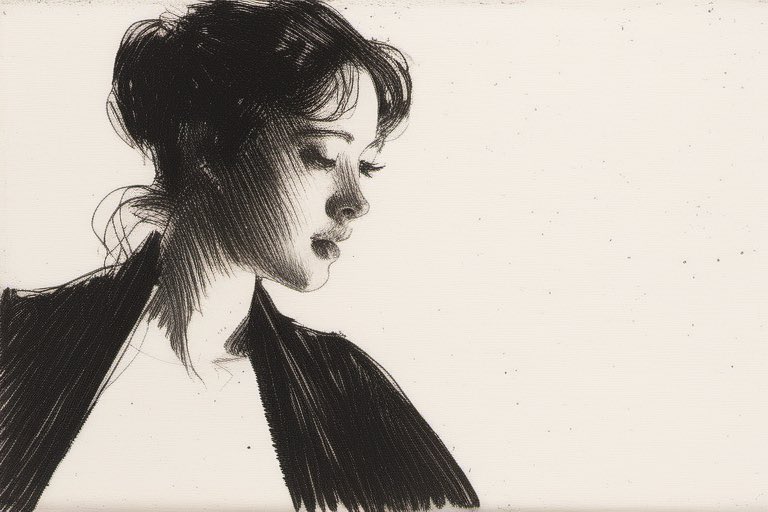
Luma launched Uni-1 and says it can reason through prompts while generating images. Creators report stronger composition on first pass for sketch-to-photo, multiview characters, and reference-led scenes, which should cut correction loops.
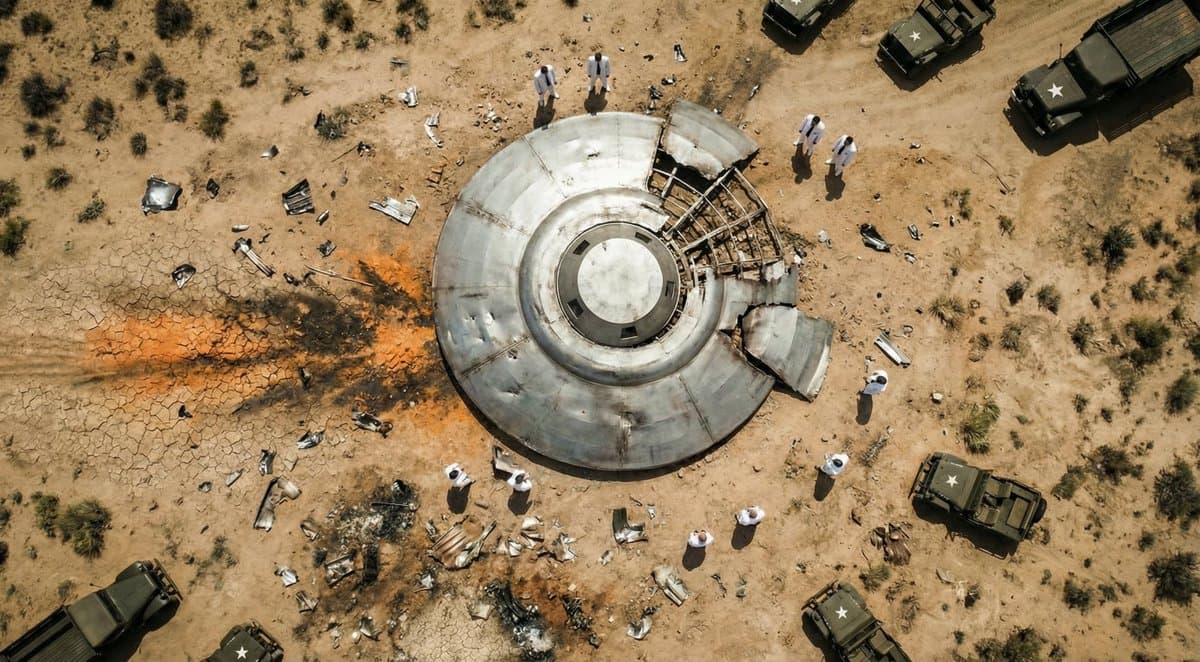
Luma’s launch pitch is specific: Uni-1 is meant to “think and generate pixels simultaneously,” not just pattern-match after a text prompt. On the model page, Luma says that shows up as better instruction following, plausibility-driven edits, and source-grounded reference control, with API access still listed as forthcoming via waitlist model page.
That makes Uni-1 a creative workflow story more than a benchmark story. Luma is positioning it for jobs where composition, continuity, and scene logic usually break first: completing partial scenes, steering edits from references, and carrying a visual idea across multiple outputs without rebuilding it from scratch.
The early examples cluster around first-pass coherence. one-shot character set says Uni-1 held a single character across four storyboard-like shots without correction, which is exactly the kind of continuity task that usually turns into manual cleanup.
Other creators are using it as a reference-to-direction tool instead of a blank-canvas generator. In phone photo remix, casual snapshots are reimagined into moody, production-designed frames while keeping recognizable subjects. DreamLab LA’s art director stills pushes into highly art-directed macro imagery, and the early access tests reel suggests the model is strongest when a prompt implies camera logic, subject consistency, or a concrete before-and-after transformation.
The current workflow is simple: open Luma, create a board, select Image → Uni-1, then enter a prompt or drop in reference images. The live entry point is the app signup, while Luma’s model page is where the company is describing capabilities, pricing by tokens, and the API waitlist.
The more interesting production detail is what people are pairing it with. DreamLab LA’s launch-day short says its launch piece was made with Uni-1 and Ray3.14, pointing to a practical stack where Uni-1 handles concept frames, look development, or character boards before those stills move into motion work.
A creator-shared Claude prompt pack lays out a First Principles sequence, Feynman rewrite, assumption audit, and from-scratch rebuild prompts. Use it as a reusable prompt recipe for research and writing, not as an official Claude feature.
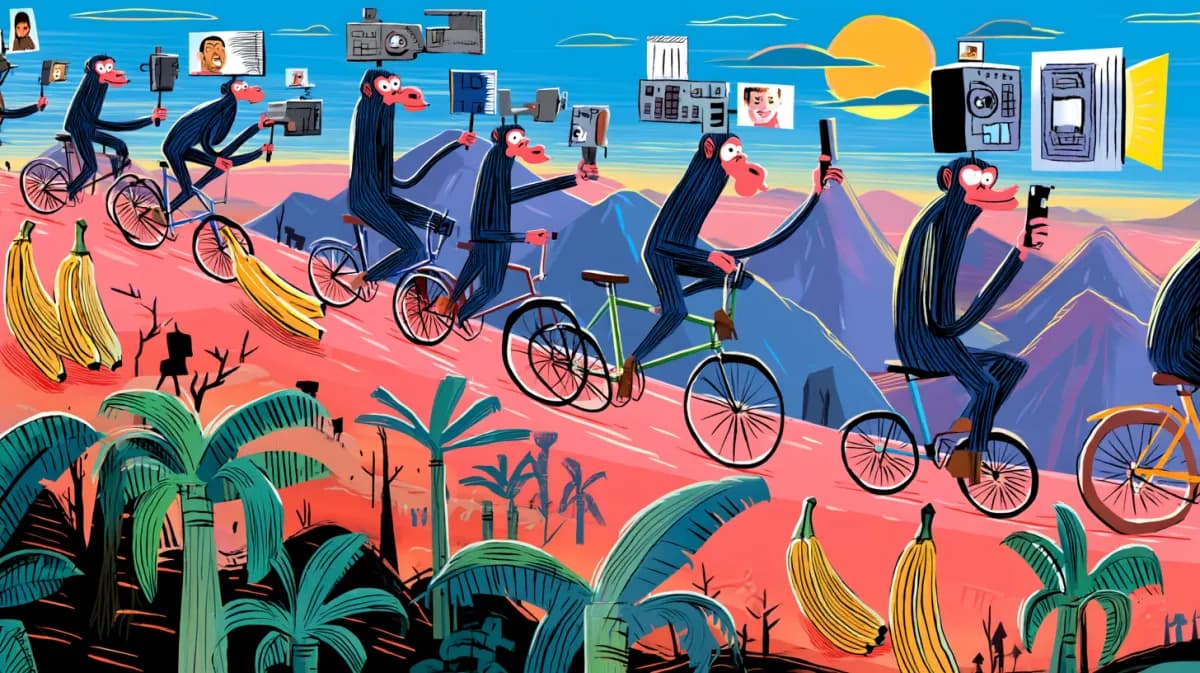 release
Topview added Seedance 2.0 to Agent V2, pairing multi-scene generation with a storyboard timeline and Business Annual access billed as 365 days of unlimited generations. That moves longform video workflows toward editable sequences instead of stitched clips.
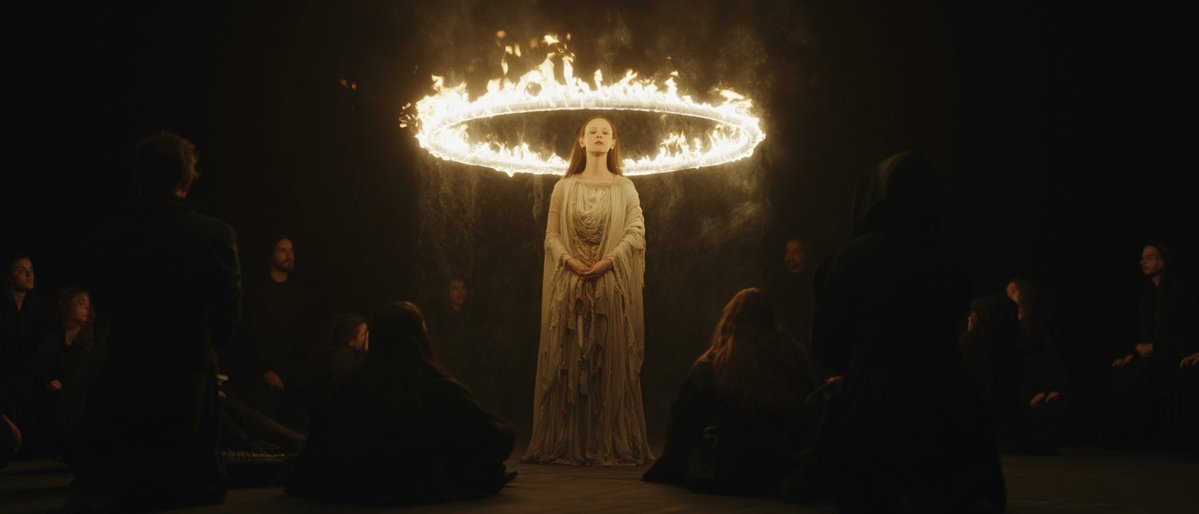 workflow
Creators are moving from V8 calibration complaints to darker film-still scenes, fashion shots, and worldbuilding tests, with ECLIPTIC remakes showing stronger depth and lighting. Retest saved SREF recipes if you rely on V8 for cinematic ideation.
 workflow
A shared workflow converts GTA-style stills into photoreal images with Nano Banana 2, then animates them in LTX-2.3 Pro 4K using detailed material, skin, vehicle, and camera prompts. Try it for trailer-style previsualization if you want more control at lower cost.
 workflow
Shared Nano Banana 2 workflows now cover turnaround sheets, distinctive facial traits, and photoreal rerenders that keep the framing of a reference image. Use one prompt grammar for concept art, editorial portraits, and animation prep.
Testing the new Uni-1 Model from @lumalabsai and the cinematic look and control is next level! Try it out: lumalabs.ai/isaacrodriguez
Sneak peek 👀 A few stills from an upcoming piece by Art Director, Jieyi Lee. All made with Uni-1 by @LumaLabsAI. Full video coming soon!
How to try it right now: 1. Go to app.lumalabs.ai 2. Create a new board 3. Select Image → Uni-1 4. Drop your prompt (or reference images) 5. Download That's it. Early access is live.
Launch Day Feeling! Uni-1 is here. Made by @thejoshdicarlo feat. @mrjonfinger
Uni-1 is here! A new kind of model that thinks and generates pixels simultaneously. Less artificial. More intelligent.