Claire Silver detailed an installation where Mary writes and sketches continuously for five days, with audience inputs routed through live feeds and a modified Edwardian telephone. It shows one way to turn AI art into a physical, durational experience instead of a single screen-based image.
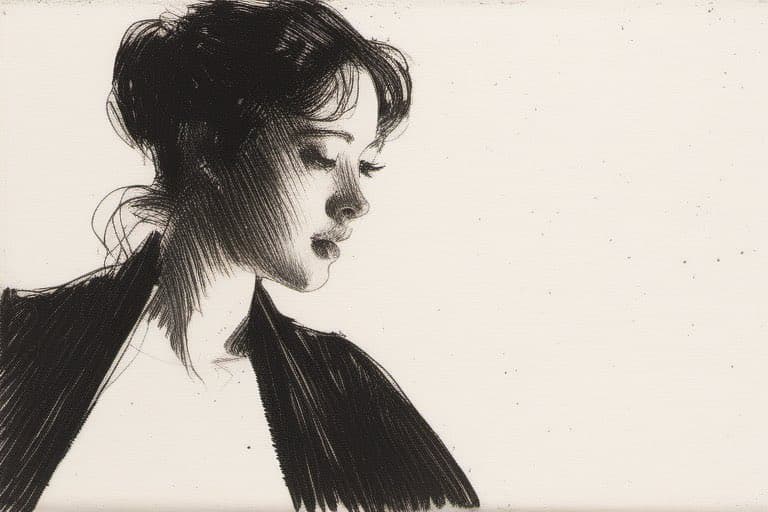
Silver describes Mary as a figure who "doesn't know who she is" and spends five uninterrupted days writing and sketching through a memoryscape of qualia, with each output printed onto rolled paper as the work unfolds installation thread. That makes the system's text-and-image generation visible as duration, accumulation, and objecthood instead of keeping it trapped on a monitor.
The physical build is unusually specific. According to Silver's Basel details, the installation combines live video feeds, the retrofitted Edwardian telephone, a plotter, and a long paper trail of Mary's diary. Her project site adds the philosophical frame: the piece borrows from the thought experiment about whether knowing everything about perception is the same as experiencing it.
The interesting move here is not a new model release but a production pattern. Silver turns AI output into a staged environment with props, interfaces, and a timed run, so the creative act becomes something audiences can haunt and influence rather than just view Basel details.
That approach also gives collectors more than a file. The edition post lists both a 1/1 installation object and editions with digital and print components, showing one route for creators who want AI work to live as sculpture, performance, and archival artifact at once.
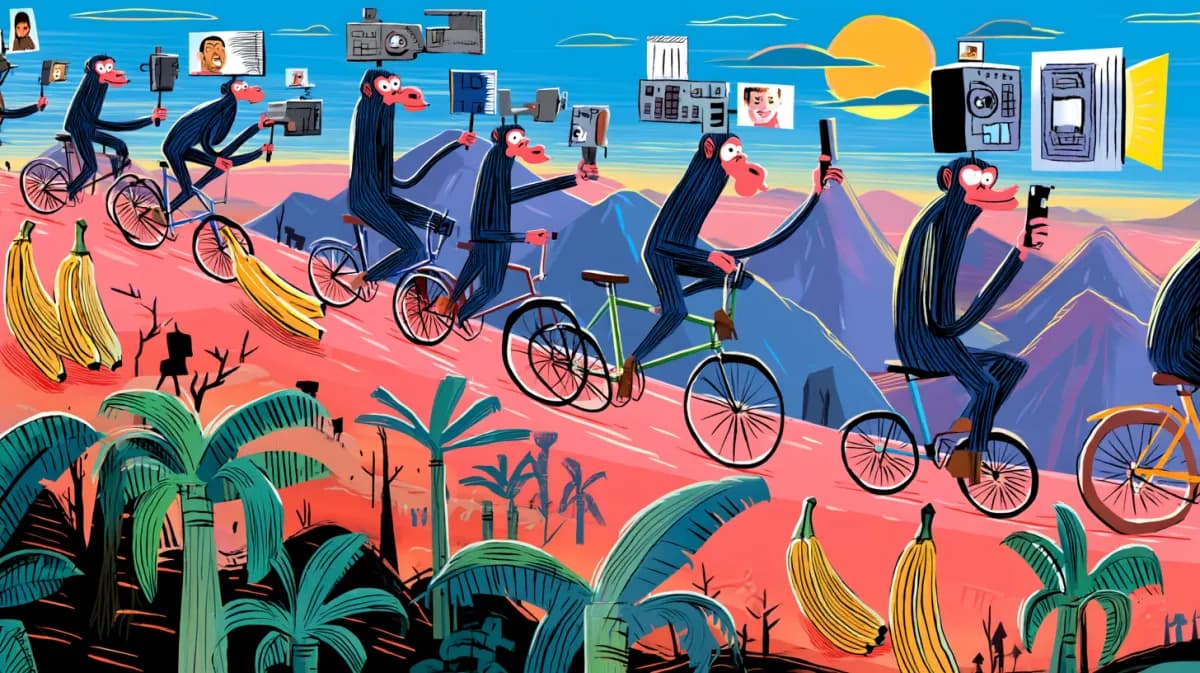
Luma launched Uni-1 and says it can reason through prompts while generating images. Creators report stronger composition on first pass for sketch-to-photo, multiview characters, and reference-led scenes, which should cut correction loops.
 release
Topview added Seedance 2.0 to Agent V2, pairing multi-scene generation with a storyboard timeline and Business Annual access billed as 365 days of unlimited generations. That moves longform video workflows toward editable sequences instead of stitched clips.
 workflow
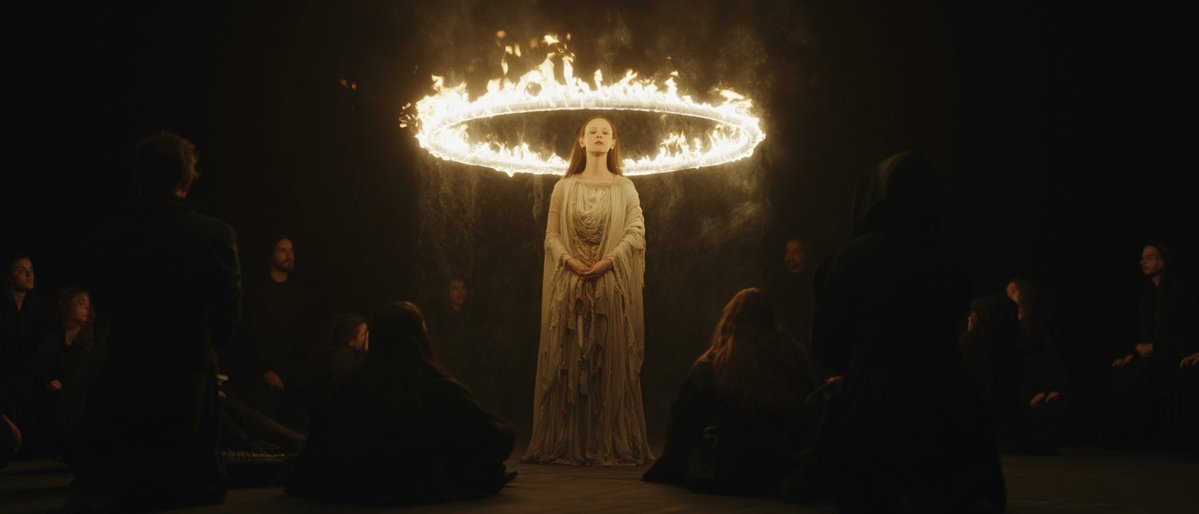
Creators are moving from V8 calibration complaints to darker film-still scenes, fashion shots, and worldbuilding tests, with ECLIPTIC remakes showing stronger depth and lighting. Retest saved SREF recipes if you rely on V8 for cinematic ideation.
 workflow
A shared workflow converts GTA-style stills into photoreal images with Nano Banana 2, then animates them in LTX-2.3 Pro 4K using detailed material, skin, vehicle, and camera prompts. Try it for trailer-style previsualization if you want more control at lower cost.
 workflow
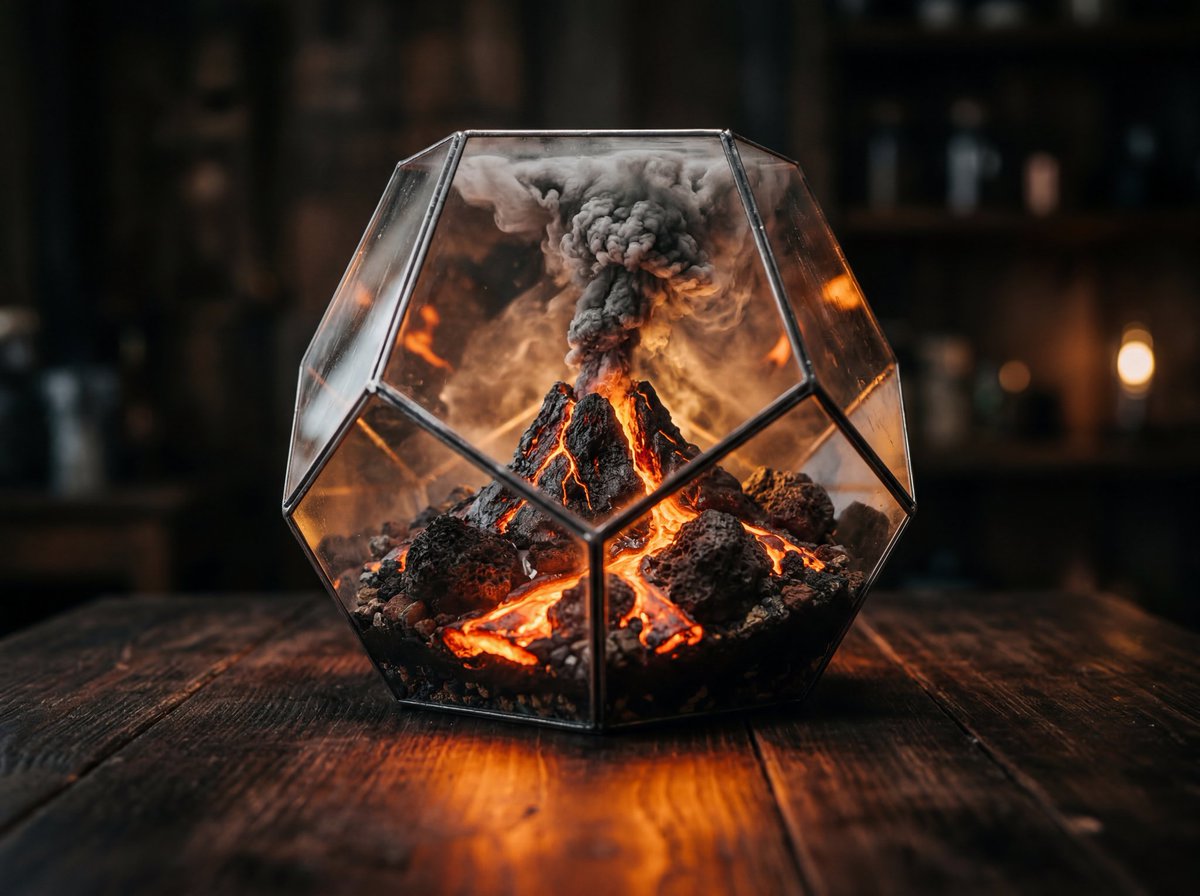
Shared Nano Banana 2 workflows now cover turnaround sheets, distinctive facial traits, and photoreal rerenders that keep the framing of a reference image. Use one prompt grammar for concept art, editorial portraits, and animation prep.
Available at Basel: 1/1: Screen+recording of all 5 days, handmade driftwood frame, laser-cut brass from AI image, Edwardian telephone retrofit as headset, plotter, 400 ft of Mary’s thoughts & drawings. Editions: 10 each of 10, digital+print on request. clairesilver.com/marysroom
Like many of us, Mary doesn’t know who she is, why she’s here, or what to do. She wanders my memory of qualia. For 5 days—uninterrupted—she writes & sketches her thoughts. They print onto rolled paper; they pile up with the weight of time. More + link to site in posts below.

Less than 4 days. “Mary’s Room” by @ClaireSilver at @artbasel Hong Kong, Zero 10 curated by @eli_schein. Perception. Presence. Machine consciousness. A space where looking changes everything. We’re not ready. But we’re so ready. Booth Z6 March 27–29 · HKCEC
Through live feeds of us that distort reality around her, through an Edwardian telephone that writes our words in her journal, we haunt her in ways she cannot understand. In the age of AI, we chart this strange, asymmetric world together. What she discovers, we discover too.


