Firefly Boards is being used as a visual staging area: drop ingredients, makeup, garments, or furniture into one board, then generate a polished final image from those references. That cuts prompt guesswork and speeds art direction when you need variants, comps, or styled spaces.
The core move is simple: build the shot visually first, then ask Firefly to render the finished image from those references. In the main post, ingredients are dropped into Firefly Boards and used to generate a polished food visual; the attached Boards workflow video shows the board acting as a staging area before generation.
That same structure carries into other categories. According to the beauty example, lipstick, blush, and eyeshadow are placed on the board first, then the prompt asks for “realistic application” and “seamless blending” in a high-end editorial style. In the drink example, generated fruit references become a clean food-photography juice image. The common pattern is reference layout first, prompt second.
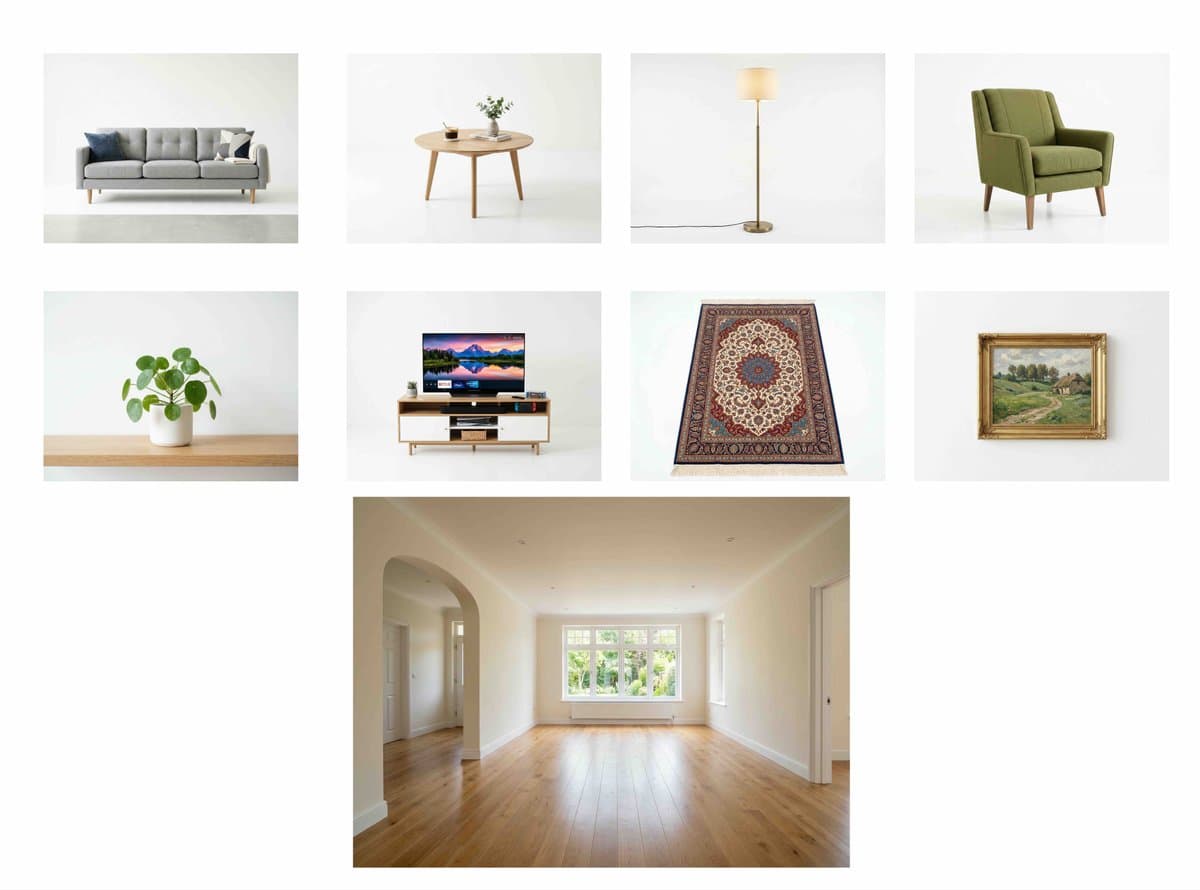
The strongest use cases here are workflows that usually require a lot of visual guessing. In the interiors post, furniture pieces plus an empty living room are turned into a “fully styled interior scene” with modern design and clean lighting. In the fashion example, multiple clothing items are used to generate five outfit combinations from the same set of pieces, which is closer to styling exploration than one-off image prompting.
This also suggests why Boards may matter more to art directors than prompt tinkerers. The creator is using it to lock in product selection, palette, and object relationships before generation, which makes it useful for comps, client-facing options, and rapid direction changes. A separate Firefly user post also points to creators testing different image models inside Firefly, reinforcing that the platform is being used as a broader visual experimentation layer rather than just a single prompt box.
A creator-shared Claude prompt pack lays out a First Principles sequence, Feynman rewrite, assumption audit, and from-scratch rebuild prompts. Use it as a reusable prompt recipe for research and writing, not as an official Claude feature.
 release
Topview added Seedance 2.0 to Agent V2, pairing multi-scene generation with a storyboard timeline and Business Annual access billed as 365 days of unlimited generations. That moves longform video workflows toward editable sequences instead of stitched clips.
 workflow
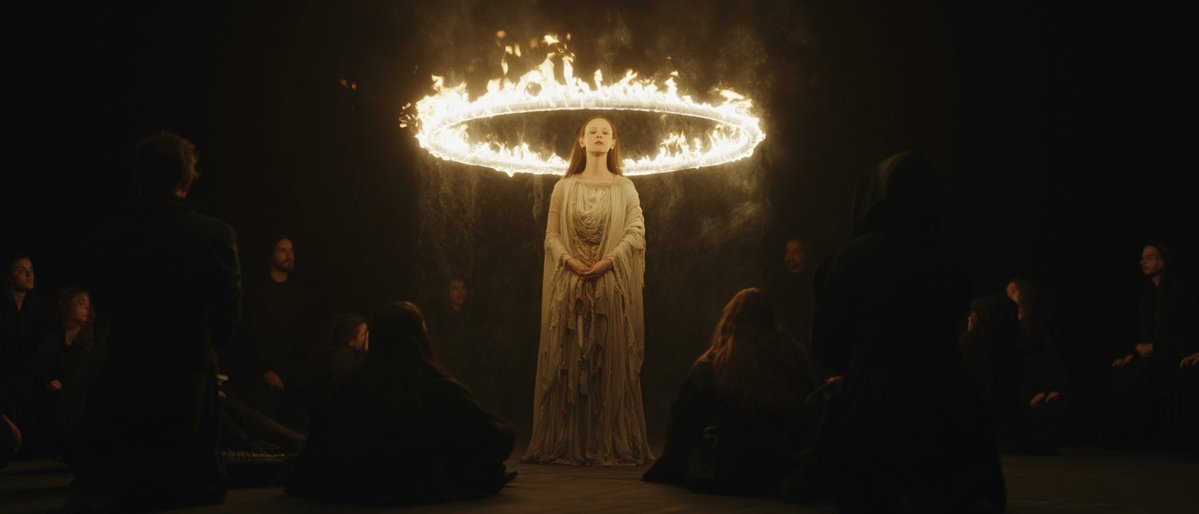
Creators are moving from V8 calibration complaints to darker film-still scenes, fashion shots, and worldbuilding tests, with ECLIPTIC remakes showing stronger depth and lighting. Retest saved SREF recipes if you rely on V8 for cinematic ideation.
 workflow
A shared workflow converts GTA-style stills into photoreal images with Nano Banana 2, then animates them in LTX-2.3 Pro 4K using detailed material, skin, vehicle, and camera prompts. Try it for trailer-style previsualization if you want more control at lower cost.
 workflow
Shared Nano Banana 2 workflows now cover turnaround sheets, distinctive facial traits, and photoreal rerenders that keep the framing of a reference image. Use one prompt grammar for concept art, editorial portraits, and animation prep.
Empty room → fully designed space Added furniture pieces + empty living room into the Artboard. Then used it as reference to decorate the space If you’re into creating visuals like this, go try Adobe Firefly → adobe.com/firefly Prompt: Create a fully styled interior Show more


Building a dish like a moodboard Dropped a bunch of ingredients into Adobe Firefly Boards and used them as reference → let the model “cook” Sharing a few other ways I use Artboard in Firefly below 👇 This post is sponsored by Adobe as an @AdobeFirefly Ambassador Show more
Styling outfits without styling irl Added multiple clothing pieces into the Artboard, then generated 5 different outfit combinations This is crazy for fashion ideation! Prompt: Create 5 outfits from these items