Creators are getting usable Kling 3.0 clips from short prompt formulas, while tutorials focus on keeping two characters in the same controlled scene. If long prompt blocks are failing, test simpler shot descriptions and motion-control setups first.

The strongest pattern in these early clips is plain cinematic description: subject, setting, and one clear action. In the staircase example, that means an endless stairway, thick clouds, a mountain peak, and a lone traveler climbing; Kling turns that into a stable upward-looking shot with readable scale and motion. The temple portal demo follows the same formula — ruined temple, night setting, red portal, horned demon stepping out — and still lands a legible sequence without extra camera jargon or long style padding.
If simple prompts are enough to get a scene started, the harder problem is keeping multiple subjects behaving predictably once they share a frame. The two-character motion-control tutorial suggests creators are treating Kling 3.0 less like a pure text box and more like a blocking tool, especially for dialogue, confrontation, or paired action shots where character drift breaks the clip. That divide is useful: short prompts appear good enough for single-beat image-to-video scenes, while multi-character work is where control setup starts to matter most.
Creators are using Kling 3.0 for anime tests, multi-scene clips in ComfyUI, and Hedra-driven reference generation with Motion Control. Try it when you need continuity across beats instead of separate one-off animations.
 release
Topview added Seedance 2.0 to Agent V2, pairing multi-scene generation with a storyboard timeline and Business Annual access billed as 365 days of unlimited generations. That moves longform video workflows toward editable sequences instead of stitched clips.
 workflow
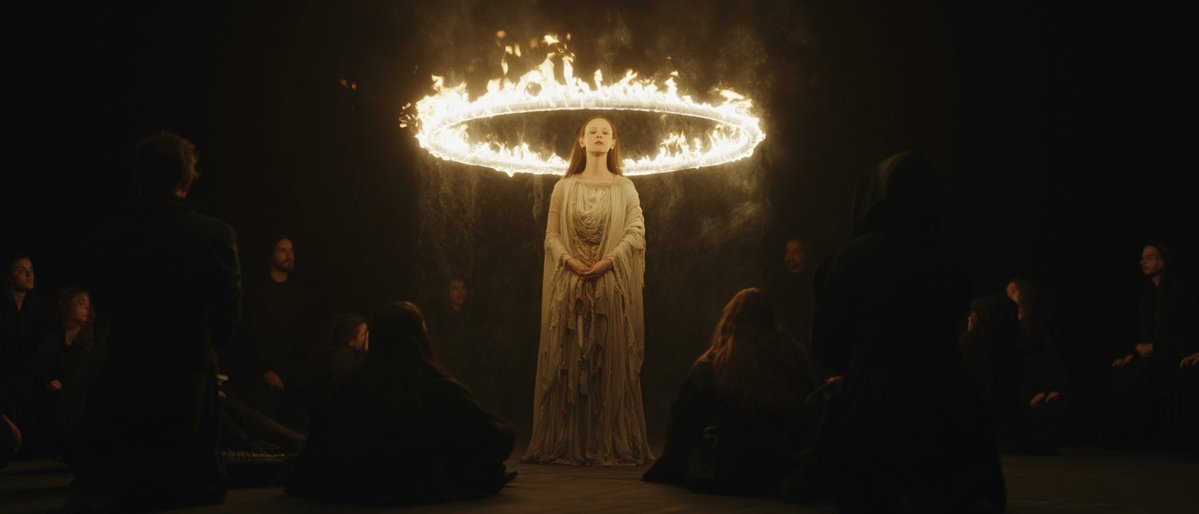
Creators are moving from V8 calibration complaints to darker film-still scenes, fashion shots, and worldbuilding tests, with ECLIPTIC remakes showing stronger depth and lighting. Retest saved SREF recipes if you rely on V8 for cinematic ideation.
 workflow
A shared workflow converts GTA-style stills into photoreal images with Nano Banana 2, then animates them in LTX-2.3 Pro 4K using detailed material, skin, vehicle, and camera prompts. Try it for trailer-style previsualization if you want more control at lower cost.
 workflow
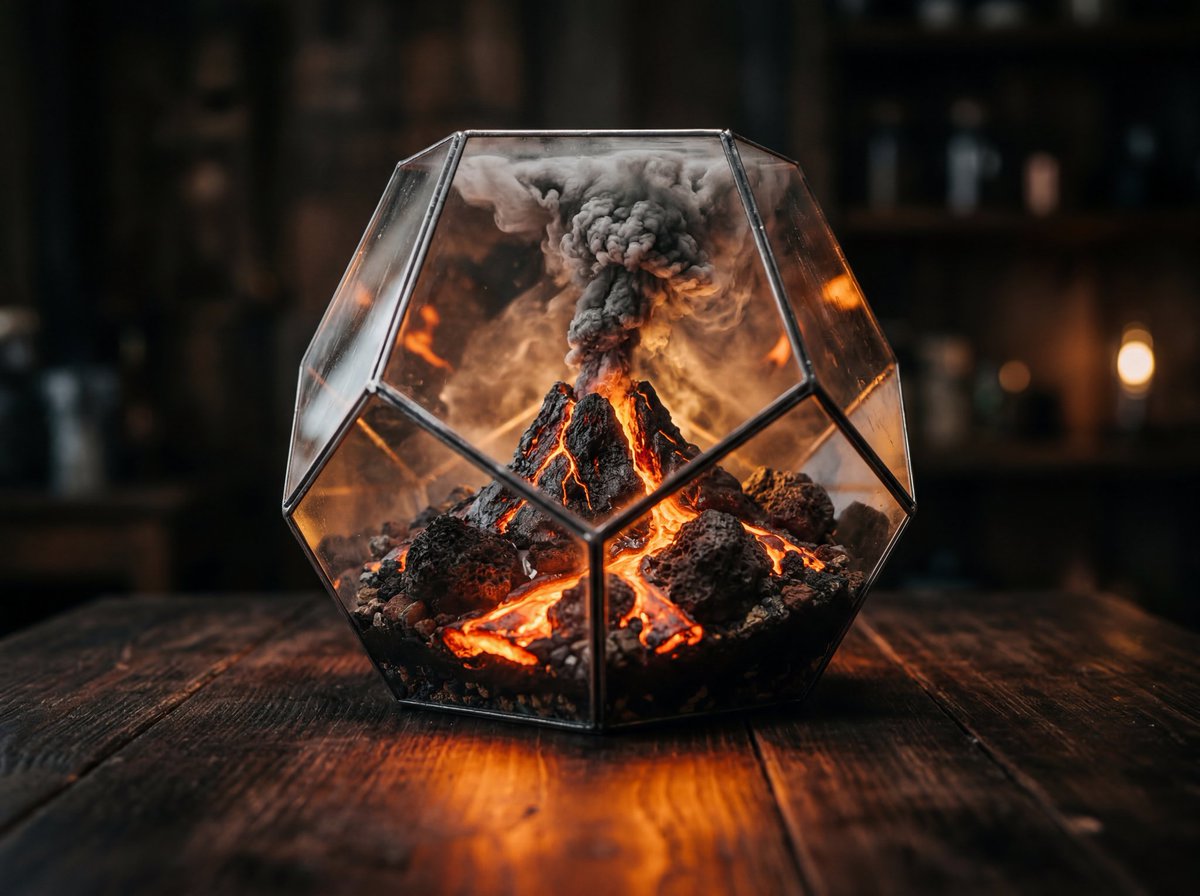
Shared Nano Banana 2 workflows now cover turnaround sheets, distinctive facial traits, and photoreal rerenders that keep the framing of a reference image. Use one prompt grammar for concept art, editorial portraits, and animation prep.
Stairway to Heaven Sometimes creating a prompt for Kling 3.0 is as simple as this: Endless staircase rising upward through thick clouds above a mountain peak, lone traveler climbing slowly.
Kling motion control masterclass on having 2 characters in the same scene 😎👇

Put a green chroma behind the characters. Then isolate character 1 => apply motion control (keep the green chroma) Then isolate character 2 => apply motion control (keep the green chroma) Then animate the background (without the characters in) Remove the green chroma from both