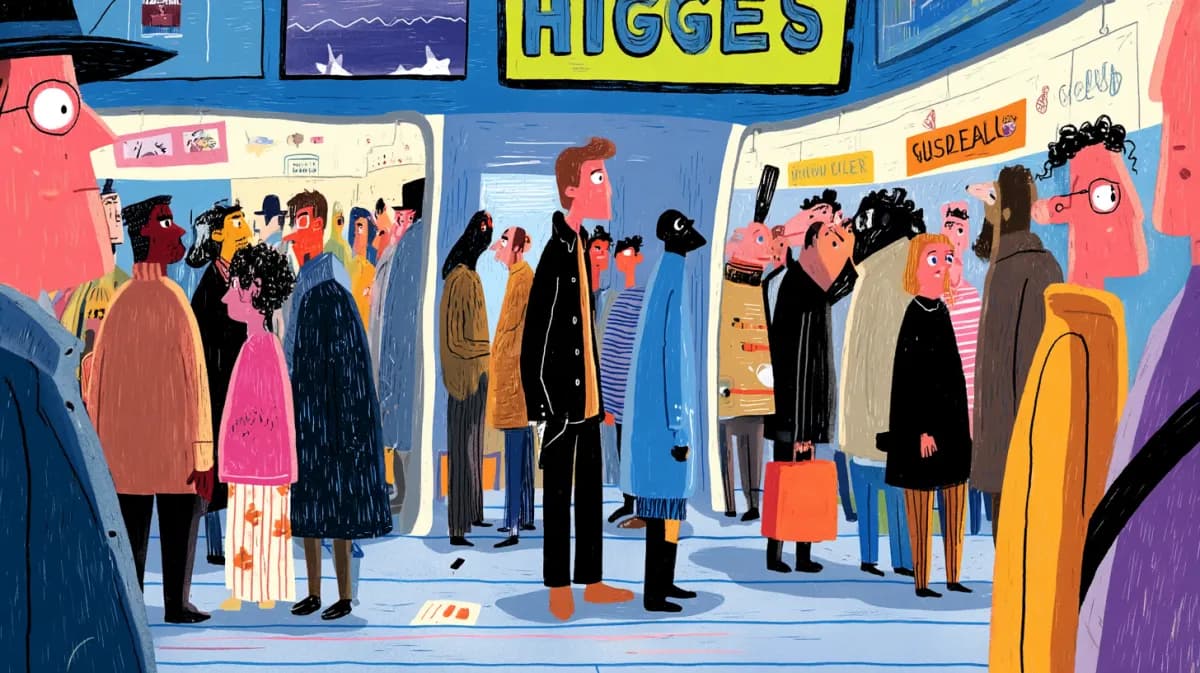
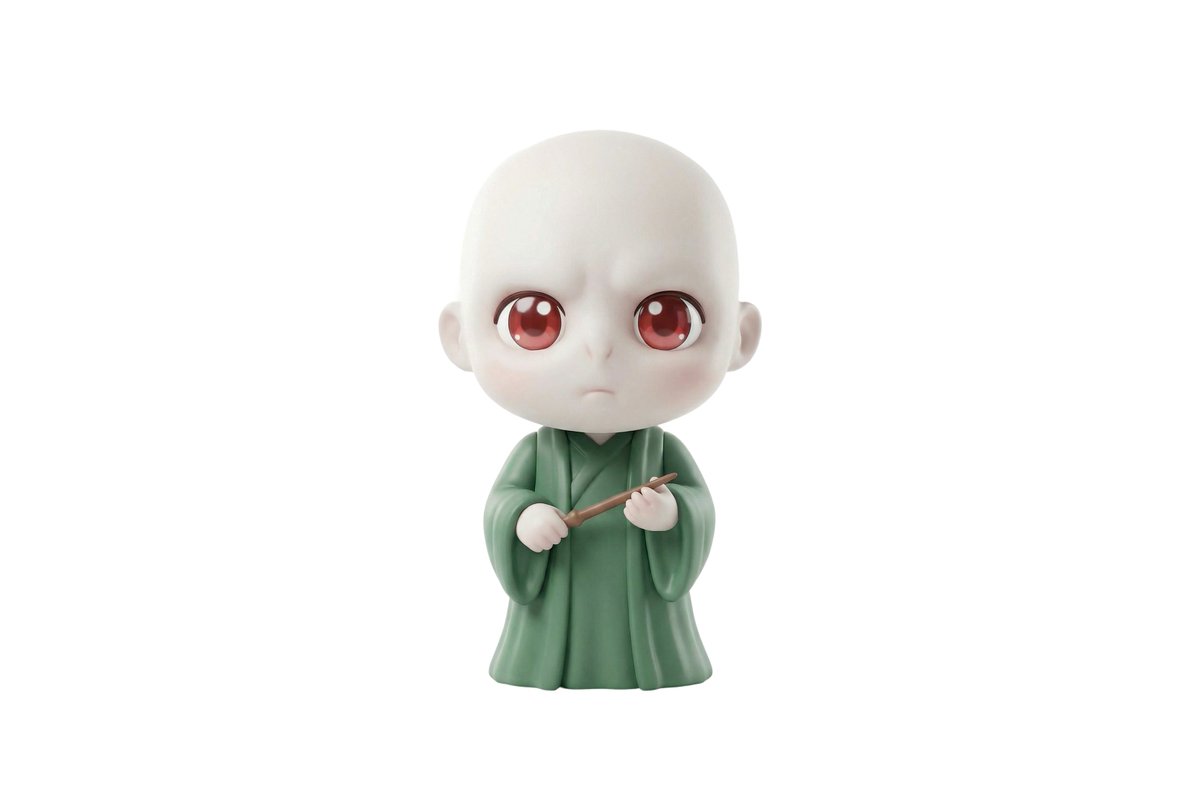
Creators showed Kling 3.0 turning sketches into motion, animating ogres and monster fights, and looping branded UI scenes inside node workflows. Try it as a bridge from rough boards to presentable motion tests.

The strongest early examples are short, readable action beats. In one clip, an ogre-like character wakes up, sits up hard, and cuts into a stylized flex; in another, a knight charges a horned demon and gets thrown backward, with the fantasy fight showing Kling handling fast pose changes and impact-driven motion cleanly. These are simple scenes, but they read instantly and feel closer to previs or motion concept art than to static image demos.
The sketch example is more useful for working creators. The sketch demo starts with rough cat-and-dog drawings on a tablet, then turns them into a finished animated scene, suggesting Kling 3.0 can bridge the gap between loose ideation and something presentable enough for a client review or internal pitch.
One of the clearer production recipes comes from a Freepik Spaces build that starts with four text inputs: brand name, style, object, and palette. The creator routes those variables into Nano Banana Pro 2 for logo generation, then into another image step that turns the logo into a button, then into a larger UI-kit generation pass, before handing start and end frames to Kling 3.0 for an infinite loop animation, according to the full thread.
That matters because Kling is being used here as the motion layer at the end of a node graph, not as a one-off toy. The shared Freepik Space makes the workflow reproducible, and the thread’s setup points to a practical use case: taking brand exploration assets and turning them into animated landing-page or product-shot loops without rebuilding the motion pass from scratch.
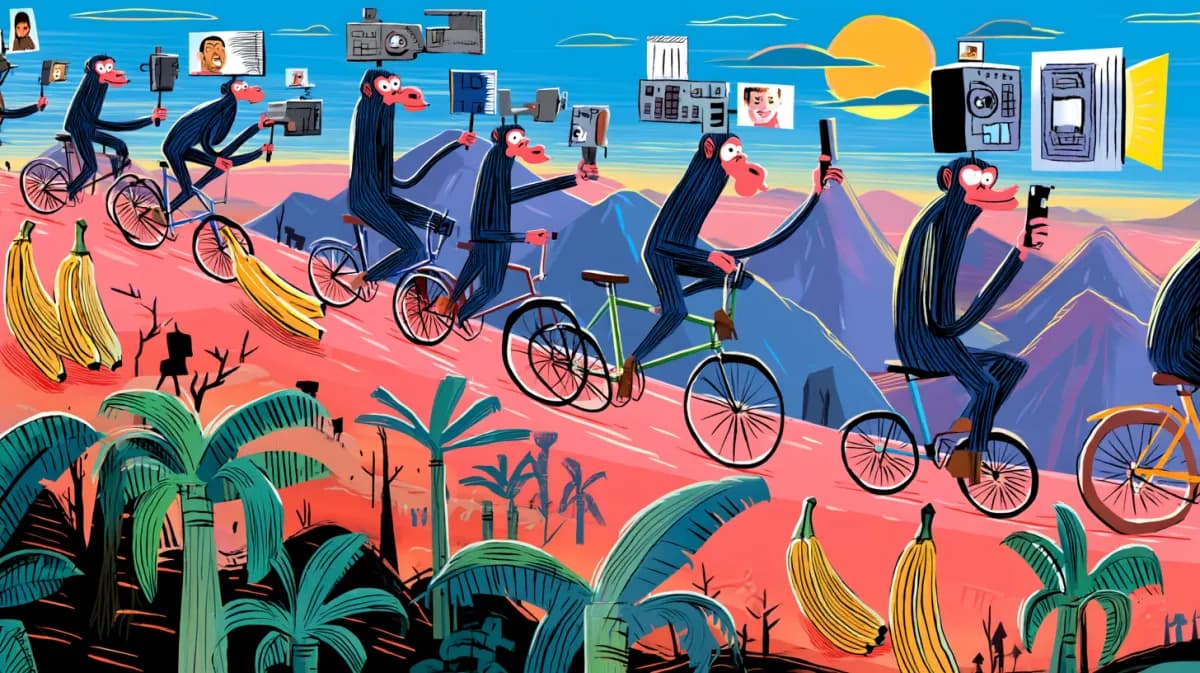
Multiple posts say serialized AI fruit reality clips are matching or beating Love Island on per-episode views and follower growth. Keep an eye on recurring characters, simple drama, and fast episode cadence as a breakout AI-native format.
 release
Topview added Seedance 2.0 to Agent V2, pairing multi-scene generation with a storyboard timeline and Business Annual access billed as 365 days of unlimited generations. That moves longform video workflows toward editable sequences instead of stitched clips.
 workflow
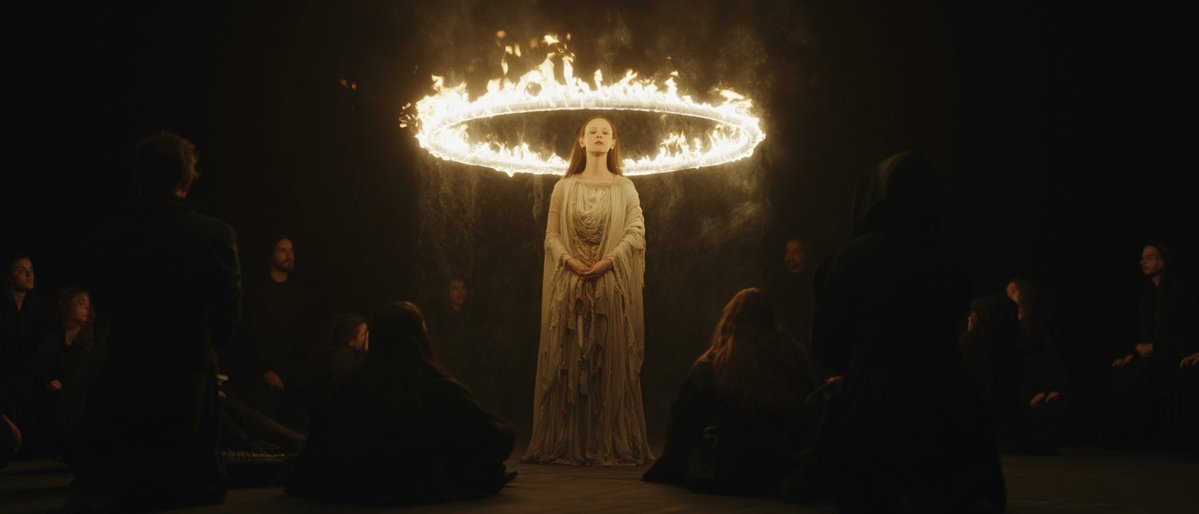
Creators are moving from V8 calibration complaints to darker film-still scenes, fashion shots, and worldbuilding tests, with ECLIPTIC remakes showing stronger depth and lighting. Retest saved SREF recipes if you rely on V8 for cinematic ideation.
 workflow
A shared workflow converts GTA-style stills into photoreal images with Nano Banana 2, then animates them in LTX-2.3 Pro 4K using detailed material, skin, vehicle, and camera prompts. Try it for trailer-style previsualization if you want more control at lower cost.
 workflow
Shared Nano Banana 2 workflows now cover turnaround sheets, distinctive facial traits, and photoreal rerenders that keep the framing of a reference image. Use one prompt grammar for concept art, editorial portraits, and animation prep.
Your logo is hiding a whole UI Kit. Spent the weekend messing with this freepik space and stumbled onto this 5-steps workflow. Prompts in the thread 👇
Shrek’s big cousin woke up in a bad mood. A fun animation with @Kling_ai 3.0 😄