Creators shared repeatable Kling 3.0 prompts for glowing fantasy reveals, sci-fi trailers, horror ceiling shots, and slow rotations around isometric office dioramas. Use short, scene-specific prompts when you need controlled motion instead of vague cinematic phrasing.
The clearest pattern is prompt compression. In Artedeingenio’s example, “Ancient sword embedded in stone altar deep inside ruined temple, camera slowly pushing forward, runes carved along the blade beginning to glow faintly” locks four things at once: hero object, environment, motion, and one timed effect. The result is a clean fantasy reveal rather than a vague mood reel.
That same specificity holds across genres. The “Beyond the Void” trailer frames Kling 3.0 as especially strong for sci-fi, with starships, alien landscapes, and glowing interfaces rendered as short trailer beats. The horror example uses an even simpler structure: start on the ceiling, then pan down into a face reveal. The useful takeaway is that creators are describing one shot and one action, not a whole film scene.
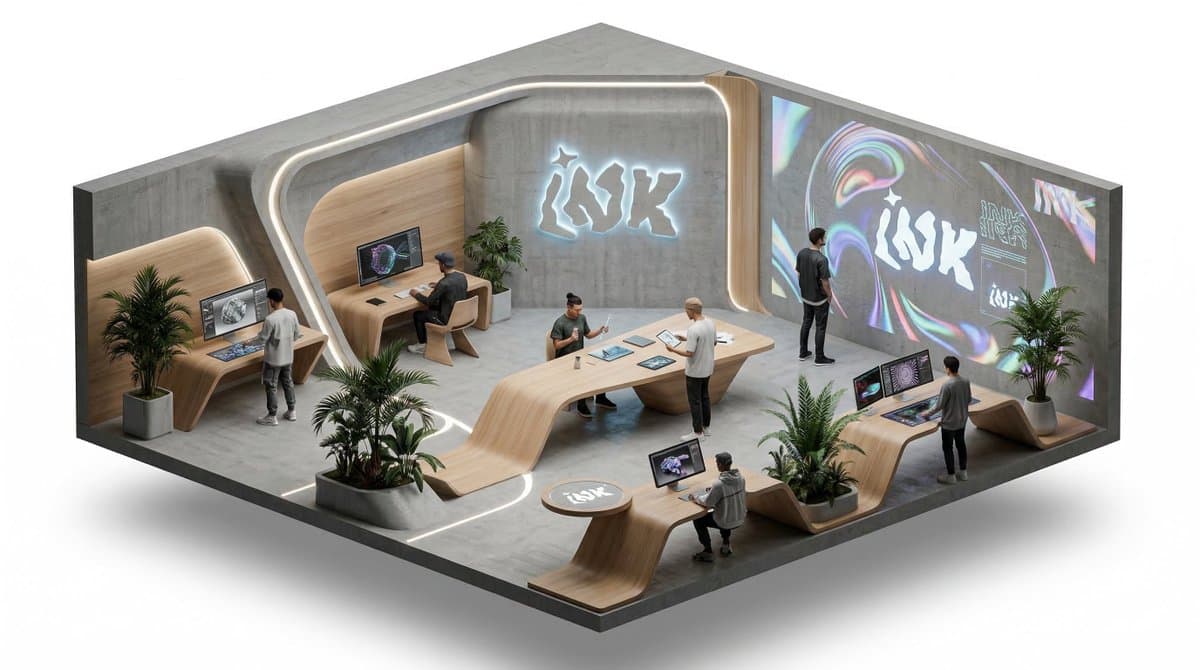
0xInk’s workflow is more modular. The base prompt is a long Nano Banana 2 setup for an isometric corporate office diorama on a pure white background, with placeholders for brand, material, layout, logo placement, lighting, and 5–10 workers. That turns the scene into a reusable template for branded concept frames instead of a one-off image.
The Kling step is deliberately minimal. The animation prompt boils the motion down to “isometric office, people working and talking, slow rotation around the isometric scene,” which keeps the camera move readable and preserves the diorama composition. A separate multi-shot workflow share suggests creators are also building automation around Kling v3 when one-shot prompts stop being enough. The common thread is separation: define the world in the image model, then ask Kling for one controlled move at a time.
Topview added Seedance 2.0 to Agent V2, pairing multi-scene generation with a storyboard timeline and Business Annual access billed as 365 days of unlimited generations. That moves longform video workflows toward editable sequences instead of stitched clips.
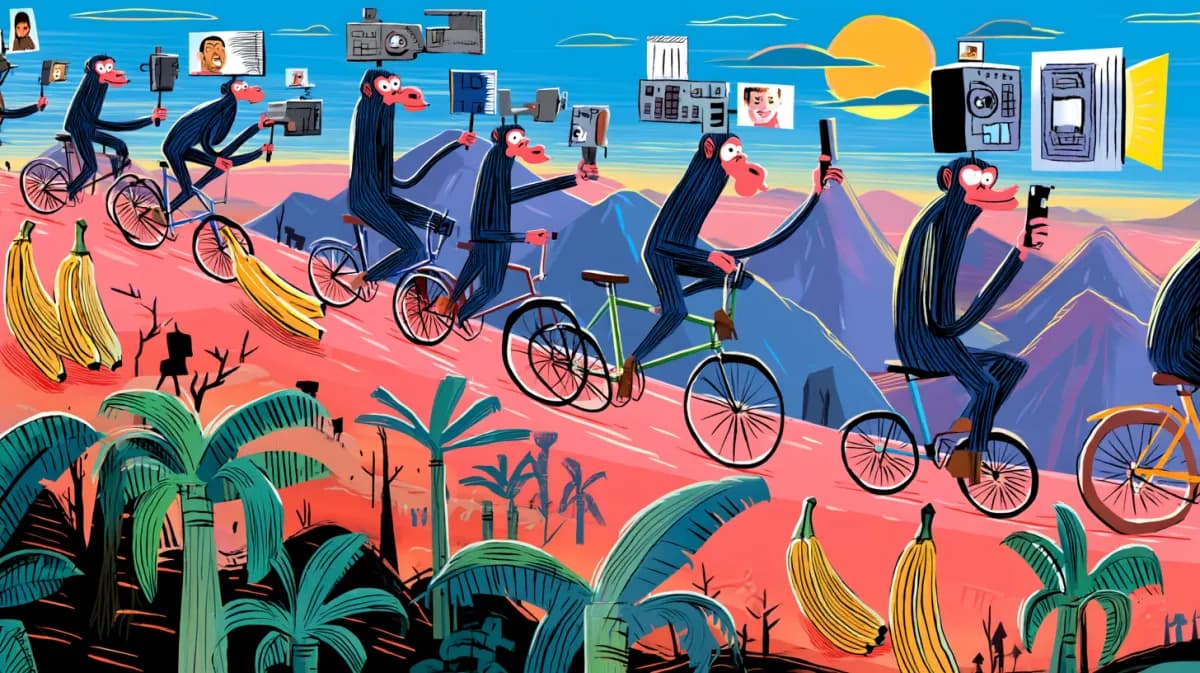 release
Topview added Seedance 2.0 to Agent V2, pairing multi-scene generation with a storyboard timeline and Business Annual access billed as 365 days of unlimited generations. That moves longform video workflows toward editable sequences instead of stitched clips.
 workflow
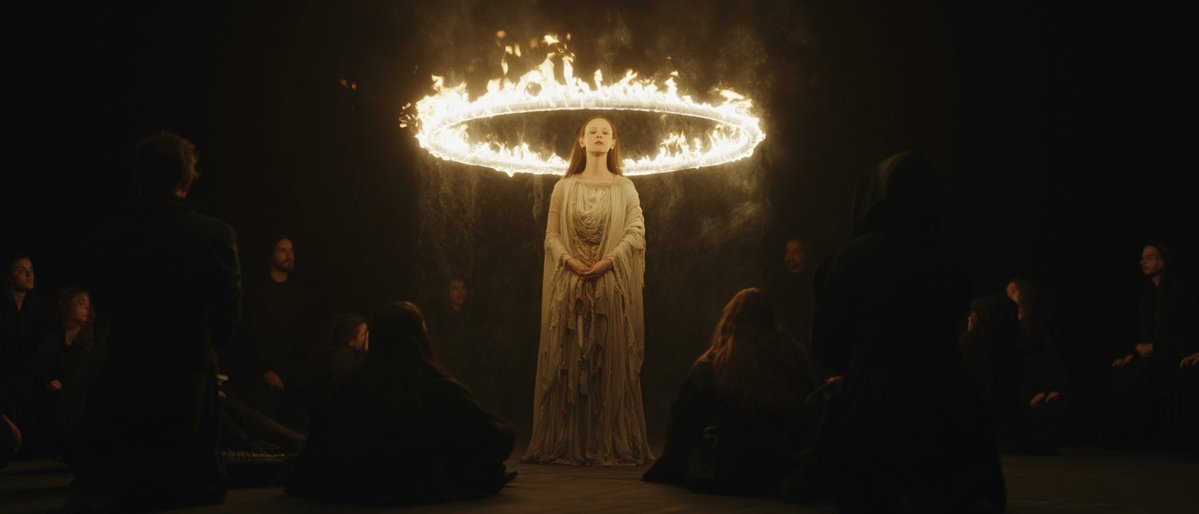
Creators are moving from V8 calibration complaints to darker film-still scenes, fashion shots, and worldbuilding tests, with ECLIPTIC remakes showing stronger depth and lighting. Retest saved SREF recipes if you rely on V8 for cinematic ideation.
 workflow
A shared workflow converts GTA-style stills into photoreal images with Nano Banana 2, then animates them in LTX-2.3 Pro 4K using detailed material, skin, vehicle, and camera prompts. Try it for trailer-style previsualization if you want more control at lower cost.
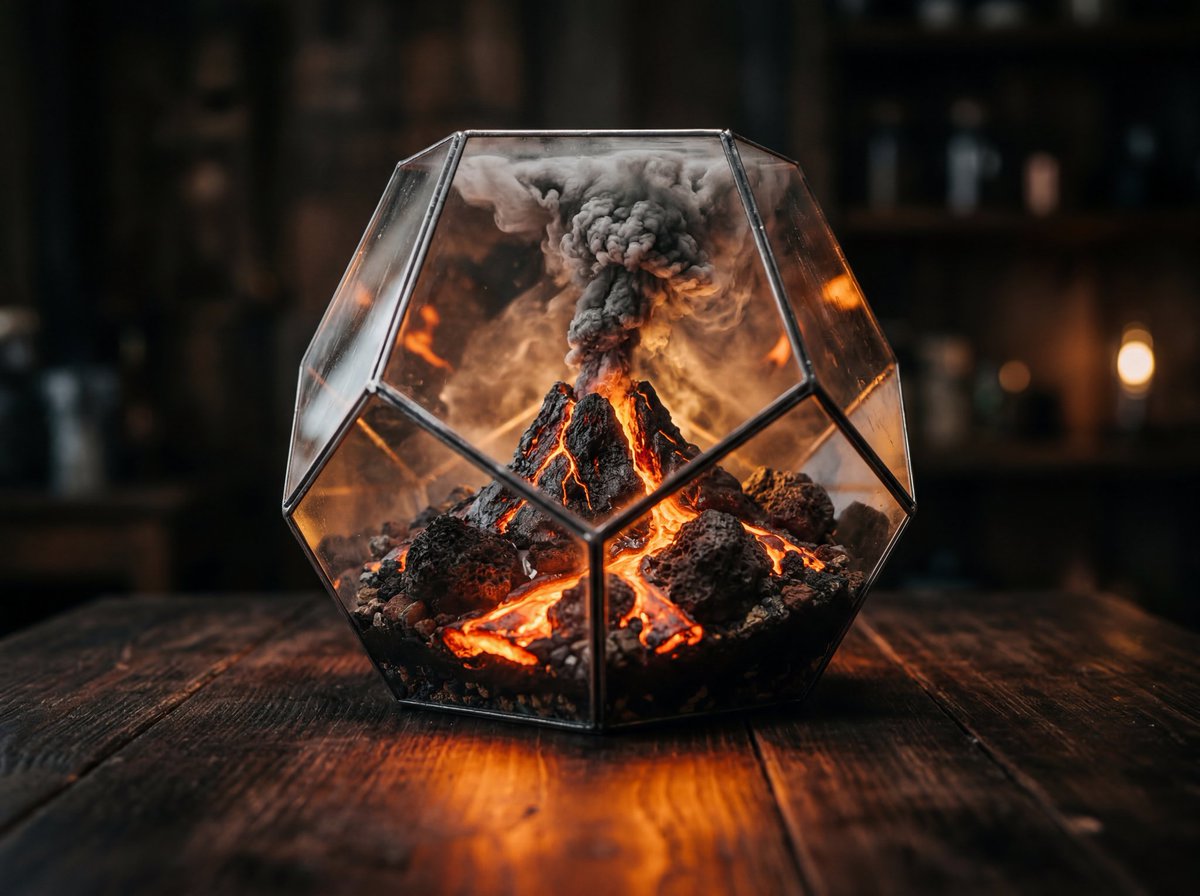 workflow
Shared Nano Banana 2 workflows now cover turnaround sheets, distinctive facial traits, and photoreal rerenders that keep the framing of a reference image. Use one prompt grammar for concept art, editorial portraits, and animation prep.
As I already showed in my trailer "Beyond the Void," Kling 3.0 is exceptional for anything related to science fiction.
for some brands from the L’Oréal group, I created this prompt to easily generate an isometric office diorama that can be adapted to any brand and material it works with a simple Nano Banana 2 prompt and is easy to animate with Kling 3.0 this is how I imagine my future office
and animate it with Kling 3.0 Prompt isometric office, people working and talking, slow rotation around the isometric scene Show more


