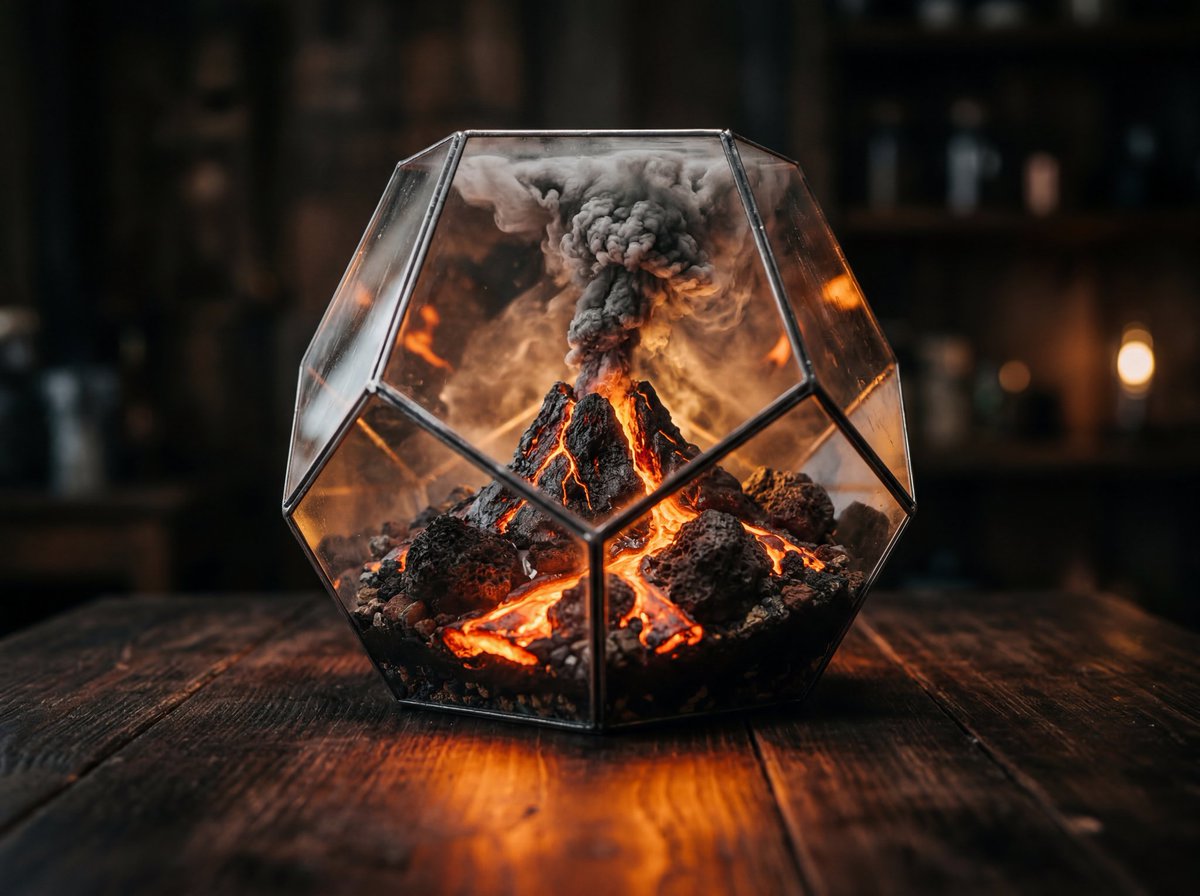
Nano Banana 2 workflows now use dual grounding, 3x3 multi-angle sheets, and tighter scene consistency controls. Use structured prompts for character packs, composites, and puzzle-style images that need repeatable outputs.
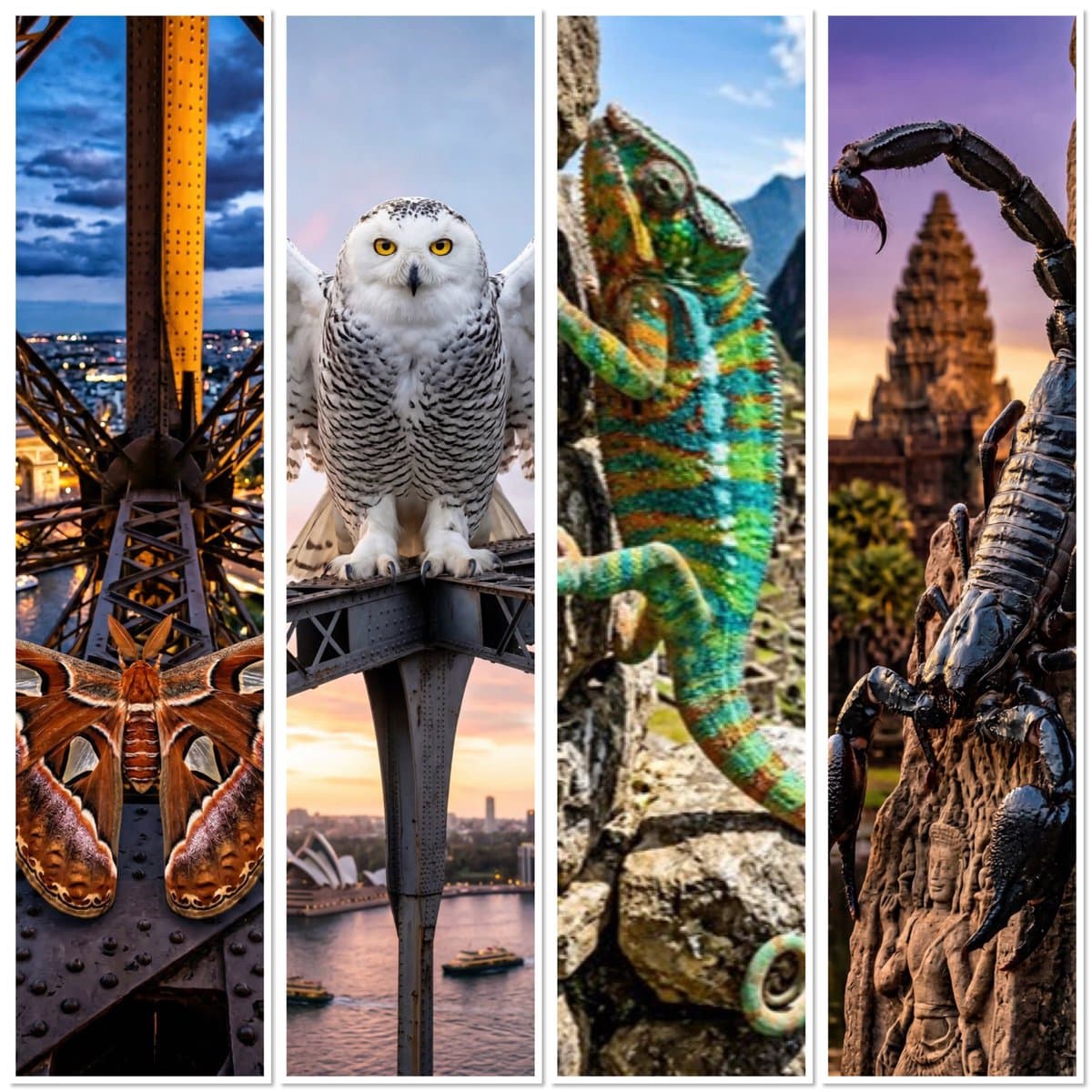
The clearest new workflow is subject pairing. In one wildlife-style demo, an Atlas moth is anchored to the Eiffel Tower with species-level visual details and place-specific architecture, while the follow-up post says the trick is Nano Banana 2's dual Image Grounding: one prompt, two simultaneously researched subjects. The four-image set keeps that same method across Sydney Harbour Bridge, Machu Picchu, and Angkor Wat, which matters more than the surreal concept itself. The useful part for creators is that the prompt is doing less aesthetic hand-waving and more explicit grounding of real-world reference points.
That same prompt discipline shows up in the miniature city template. The recipe locks camera body, lens, aperture, lighting direction, composition, and output style, then changes only the country variable to generate France, Japan, Italy, and India as fabric-built micro cities. It is less a single prompt than a reusable production scaffold.
The 3x3 character-sheet prompt is the most directly useful technique in the batch. The example post specifies nine cells, each at 2:3, with the same character shown from different angles and in randomized poses while the subway setting stays consistent. That turns Nano Banana 2 into a rough preproduction tool for character packs, storyboard references, and pose libraries rather than a one-off image generator. The linked prompt library suggests this is becoming a reusable pattern, not an isolated trick.
A similar structure works for composites. One Firefly workflow splits a frame between two locations and asks for geographically accurate landmarks and signage with a seamless center divide, producing Times Square versus Shibuya and other city pairings. The important detail is that consistency comes from constraining the frame geometry first, then letting the locations vary.
The strongest proof that these controls are stabilizing outputs is in dense scenes. A hidden-object terrarium hides five items inside moss, driftwood, and condensation without losing the cross-section read, and a later aquascape version repeats the same game format in a very different environment. Those are harder than clean portraits because the model has to preserve both scene legibility and small-object placement.
That said, the evidence here is still prompt-led, not a formal feature launch. Creators are getting the best results when they over-specify lenses, framing, subject roles, and what is allowed to change from image to image, as the dual-grounding, country-swap, and multi-angle examples all show.
Luma is rolling out Uni-1 as a reference-driven image model built around intelligence, directability and cultural taste, with examples spanning sketch conversion and multi-image blends. Use it when references matter more than giant text prompts.
 update
OpenAI has removed the Sora app as creators and Hacker News users debate whether novelty never turned into durable usage. Save projects now and plan to test ChatGPT-integrated or rival video tools next.
 update
CapCut is expanding Dreamina Seedance 2.0 while Topview restored access within 24 hours, and creators are stress-testing it for vertical repurposing, long prompts and stylized start frames. Try it for fast video conversions, but budget cleanup passes for continuity and transitions.
 prompt
Creators are turning Nano Banana 2 templates into reusable prompt systems for merch shots, sports ads, editorial portraits and modular scene builds. Keep the scaffold fixed and swap only brand, lens, action or environment variables to iterate fast.
 workflow
Riverside's Co-Creator reads transcripts automatically and turns chat-style requests into cuts, captions, thumbnails and social copy from one workspace. Use it when you need fast repurposing without timeline scrubbing, then polish the output by hand.
Prompt share: Split scene, left half [location 1], right half [location 2], geographically accurate landmarks and signage, seamless center divide, 8K street photography. Made in Adobe Firefly with Nano Banana 2


Hidden Objects | Level .068 Can you find all 5 hidden objects? Made in Adobe Firefly with Nano Banana 2

What if nature's icons took over humanity's greatest landmarks? Nano Banana 2's Image Grounding delivers pinpoint accuracy for real places + real animals. Kicking off with the Atlas Moth ruling the Eiffel Tower at dusk. Thread 👇 Generated in @LeonardoAi (Prompts in ALT) Show more