Creators are sharing structured Nano Banana 2 templates that lock subject, camera, lighting, constraints, and negative prompts for portraits, product looks, and stylized edits. Reuse the schemas when you want repeatable outputs instead of rewriting every detail from scratch.
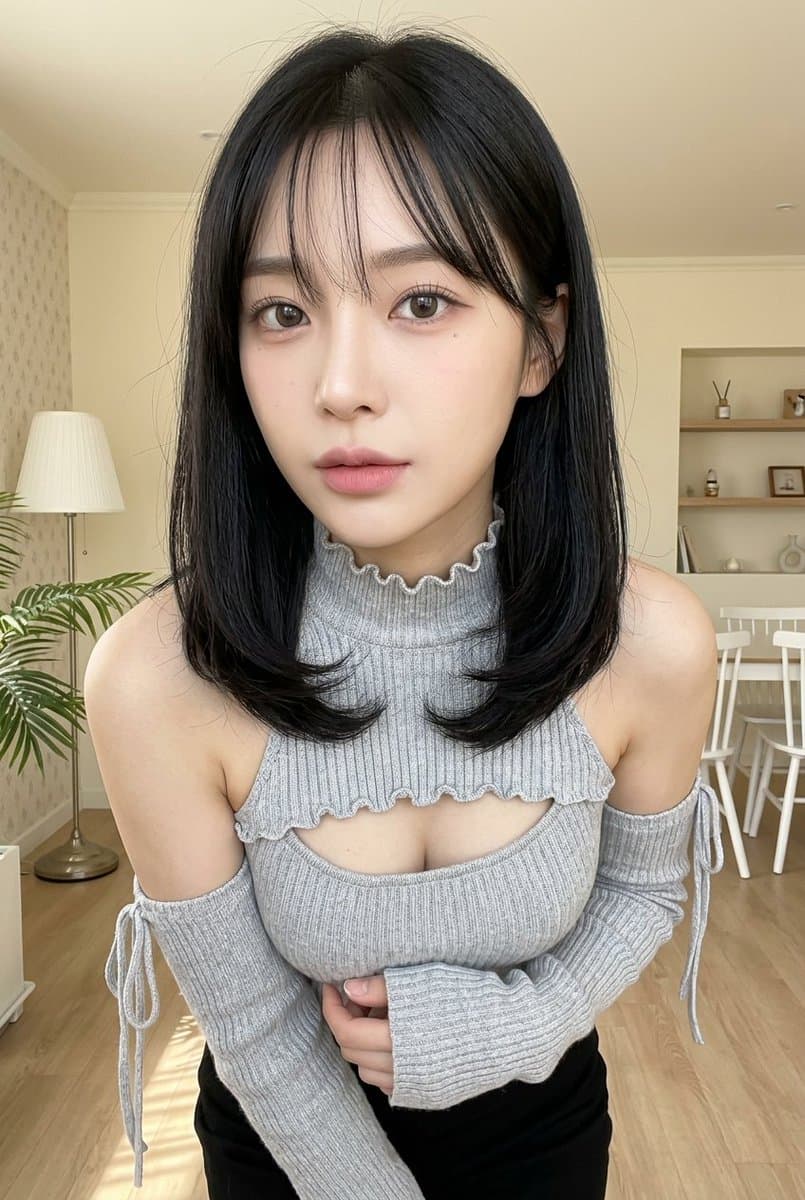
The notable shift here is not a model launch but a prompting pattern: creators are publishing scene specs that read like shot lists. In the cosplay example, the prompt separates subject, hair, body, pose, clothing, accessories, photography, background, vibe, constraints, and negative prompt, which makes the image easier to reproduce or adapt without rewriting the whole concept each time. The selfie prompt in selfie schema uses the same structure for a realistic handheld indoor portrait, down to lamp placement, knit texture, and smartphone-style depth of field.
That structure also bakes in failure prevention. The warm indoor portrait in editorial template explicitly blocks anime styling, extra limbs, plastic skin, busy rooms, and over-retouching while preserving natural anatomy and shallow-depth editorial lighting.
The most interesting use cases are the ones that turn the template into a remixable recipe. Glenn Has A Beard's glass prompt is basically a prompt skeleton: swap in the subject, glass type, impossible reflected scene, and light colors, while keeping the same low-angle, fingerprint-on-glass composition.
Other posts show the format stretching into effect-driven and utility-driven work. The distortion thread in distortion study pairs a black-and-white refracted profile with a macro heterochromia close-up, both described through optical treatment rather than just subject matter. And the CCTV example in CCTV example applies structured instructions to an uploaded image, asking for face boxes, a connected inset zoom, muted surveillance noise, and no extra overlays. Even branding experiments are getting the same treatment, with retro logo reducing an '80s-era logo' look to a reusable smart prompt workflow.
Luma launched Uni-1 and says it can reason through prompts while generating images. Creators report stronger composition on first pass for sketch-to-photo, multiview characters, and reference-led scenes, which should cut correction loops.
 release
Topview added Seedance 2.0 to Agent V2, pairing multi-scene generation with a storyboard timeline and Business Annual access billed as 365 days of unlimited generations. That moves longform video workflows toward editable sequences instead of stitched clips.
 workflow
Creators are moving from V8 calibration complaints to darker film-still scenes, fashion shots, and worldbuilding tests, with ECLIPTIC remakes showing stronger depth and lighting. Retest saved SREF recipes if you rely on V8 for cinematic ideation.
 workflow
A shared workflow converts GTA-style stills into photoreal images with Nano Banana 2, then animates them in LTX-2.3 Pro 4K using detailed material, skin, vehicle, and camera prompts. Try it for trailer-style previsualization if you want more control at lower cost.
 workflow
Shared Nano Banana 2 workflows now cover turnaround sheets, distinctive facial traits, and photoreal rerenders that keep the framing of a reference image. Use one prompt grammar for concept art, editorial portraits, and animation prep.
Prompt share: [SUBJECT] pressing hands against [GLASS TYPE] at night, low angle shot from near ground level, fingerprints and condensation visible on cold glass surface, [GLASS] reflecting [IMPOSSIBLE SCENE WITH SPECIFIC DETAILS] instead of [NORMAL SURROUNDINGS], [COLOR] light Show more


Nano banana 2 promptsref.com/library/nano-b… { "subject": { "description": "An adult woman in her 20s wearing a glossy pastel bunny cosplay outfit, posed in a soft studio-like setting with direct eye contact and a calm, doll-like presence.", "age": "adult, mid-20s", Show more