One filmmaking loop starts with a ShotDeck frame, uses Claude to reverse engineer lens and lighting choices, then sends ten variations into Nano Banana Pro. Run the loop repeatedly if you want frame study to become practical lookdev instead of passive inspiration.
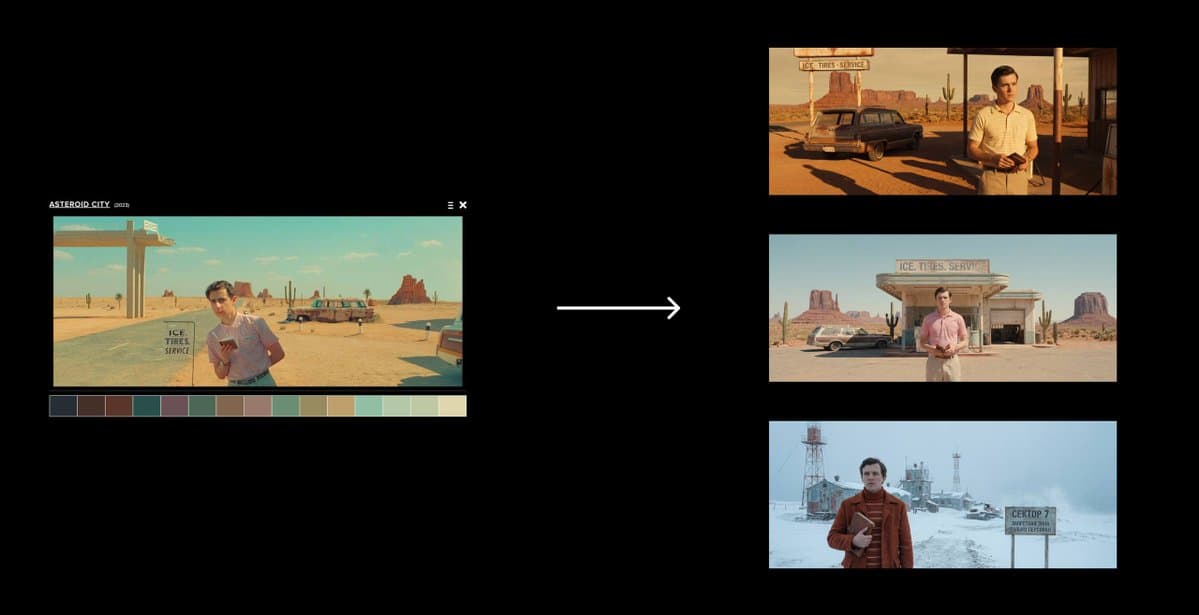
The workflow is a three-step chain: pull a precise still from ShotDeck, ask Claude to reverse engineer the cinematography, then send 10 variations of that intent into Nano Banana Pro. In the example breakdown, Claude is prompted to name specifics like an 85mm lens, hard key from upper left, 3200K tungsten, a 4:1 fill ratio, shallow depth of field, and right-third framing.
That turns a reference image into structured prompt ingredients instead of vague moodboarding. The creator describes the ShotDeck frame as a "teacher," with Claude handling analysis and Nano Banana Pro handling fast visual iteration full repost.
What makes the loop useful is the comparison step. Rather than generating one hero image, the process asks for 10 alternate executions of the same cinematic intent, then studies the differences between outputs to see which variables actually changed the frame.
That makes the exercise closer to look development than inspiration gathering. The thread's core claim is that repeated runs train creators to recognize setups on sight, because they are rebuilding the logic of a frame from the inside out instead of collecting references passively.
Shared Nano Banana 2 workflows now cover turnaround sheets, distinctive facial traits, and photoreal rerenders that keep the framing of a reference image. Use one prompt grammar for concept art, editorial portraits, and animation prep.
 release
Topview added Seedance 2.0 to Agent V2, pairing multi-scene generation with a storyboard timeline and Business Annual access billed as 365 days of unlimited generations. That moves longform video workflows toward editable sequences instead of stitched clips.
 workflow
Creators are moving from V8 calibration complaints to darker film-still scenes, fashion shots, and worldbuilding tests, with ECLIPTIC remakes showing stronger depth and lighting. Retest saved SREF recipes if you rely on V8 for cinematic ideation.
 workflow
A shared workflow converts GTA-style stills into photoreal images with Nano Banana 2, then animates them in LTX-2.3 Pro 4K using detailed material, skin, vehicle, and camera prompts. Try it for trailer-style previsualization if you want more control at lower cost.
 workflow
Shared Nano Banana 2 workflows now cover turnaround sheets, distinctive facial traits, and photoreal rerenders that keep the framing of a reference image. Use one prompt grammar for concept art, editorial portraits, and animation prep.
If you're getting into AI filmmaking, this is one of the most important lessons you'll ever learn. You won't learn cinematography by reading about it. You'll learn it by reverse engineering frames until the logic behind them becomes instinct. Here's a workflow that compresses Show more


the relationship between human and AI . the relationship between god and human.
Join my telegram channel for creative job opportunities and free filmmaking sauce: t.me/+-rEXWmGoH142M…