Geoffrey Huntley published a four-loop Ralph workflow for porting codebases by turning tests and source into cited specs before implementation. Try it when you need AI help translating a mature codebase across languages without losing behavioral coverage.
src/* and tests/* into /specs/*.md as citations, effectively converting the old codebase into a high-level PRD with traceability back to behavior and implementation Huntley’s new post lays out a concrete four-step recipe for language-porting with Ralph loops. In the condensed version repeated in the thread, the order is: “ralph from tests/* to specs,” then “ralph from src/* to specs,” then “ralph TODO/todo.md,” and finally “implementing the target language” four steps.
The longer writeup describes those loops as separate passes with different goals. One pass creates a TODO file, another studies the entire product by having subagents inspect files under src/*, and another compresses tests into markdown specs under /specs/*.md with citations back to the original material workflow details. The framing is that the hard part is not syntax conversion but extracting a faithful, cited specification of behavior before generating the new implementation.
The technical idea is to decouple the port from the source language by turning code and tests into cited specifications first. Huntley’s summary says those citations “reference source code during the translation process,” which makes the codebase behave more like a PRD than a pile of source files citation method. For engineering teams, that is the important shift: the workflow is optimized for preserving behavior and intent, not just reproducing structure.
A reply from dexhorthy added the caveat “porting well-tested software,” and Huntley answered with a laughing salute rather than disputing it well-tested caveat Huntley reply. That caveat fits the method. If the first Ralph loop converts tests into specs, then weak or missing tests leave the process with less behavioral ground truth. The workflow is most credible where tests/* already captures the contract the new code must satisfy.
Anthropic is testing a new /init flow that interviews users and configures Claude.md, hooks, and skills in new or existing repos. Try it in a sandbox repo, then watch for skills behavior differences between chat and web surfaces.
 release
OpenClaw shipped version 2026.3.22 with ClawHub, OpenShell plus SSH sandboxes, side-question flows, and more search and model options, then followed with a 2026.3.23 patch. Teams get a broader plugin surface, but should patch quickly and review plugin trust boundaries as the ecosystem grows.
 release
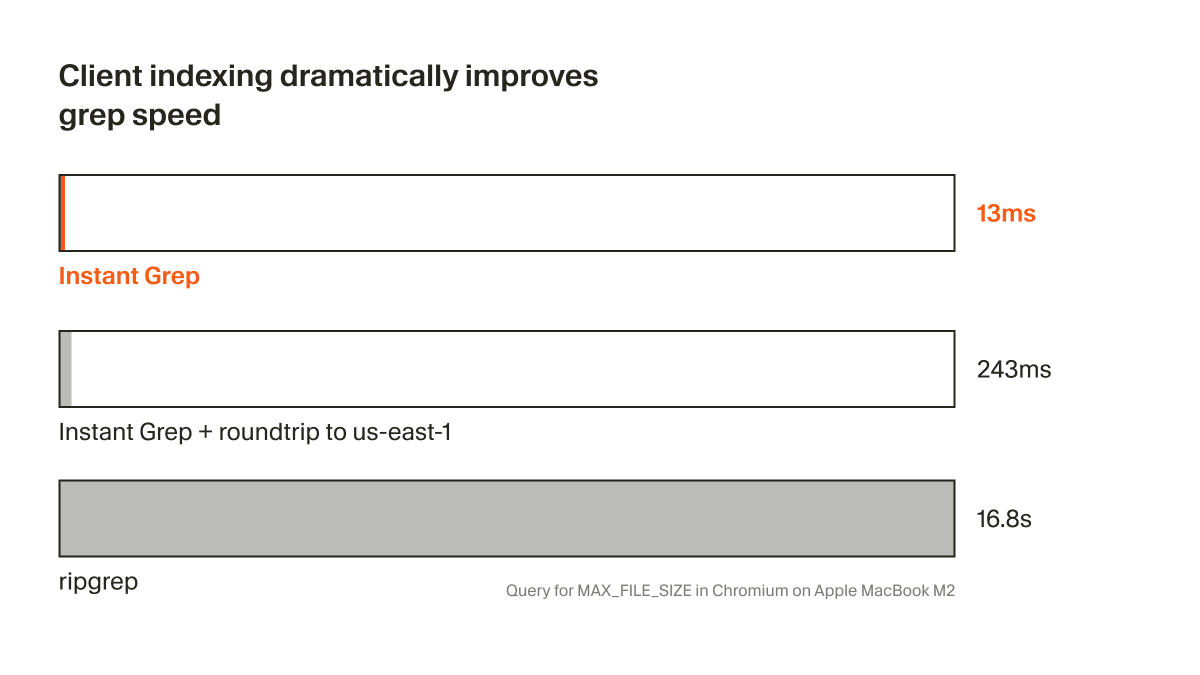
Cursor shipped Instant Grep, a local regex index built from n-grams, inverted indexes, and Bloom filters that drops large-repo searches from seconds to milliseconds. Faster candidate retrieval shortens the coding-agent loop, especially when ripgrep-style scans become the bottleneck.
 breaking
ChatGPT now saves uploaded and generated files into an account-level Library that can be reused across conversations from the web sidebar or recent-files picker. It removes repetitive re-uploading and makes past PDFs, spreadsheets, and images part of a persistent working context.
 breaking
Epoch AI says GPT-5.4 Pro elicited a publishable solution to one 2019 conjecture in its FrontierMath Open Problems set, with a formal writeup planned. Treat it as an early milestone worth reproducing, not blanket evidence that frontier models can already automate math research.
“porting software has been trivial for a while now. here’s how you do it” (link below)