The most full AI hub: fresh stories, workflows, prompts, deals. Updated daily.
Filter by tag
Tap to toggle filters. Selected tags narrow your feed.
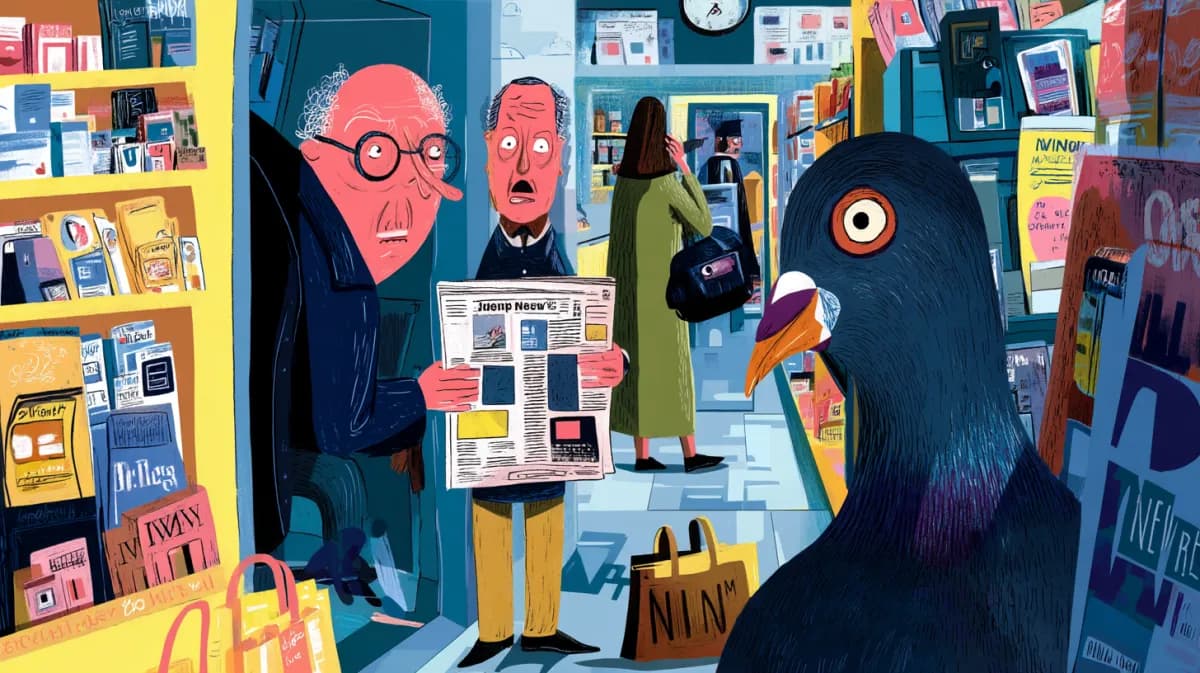
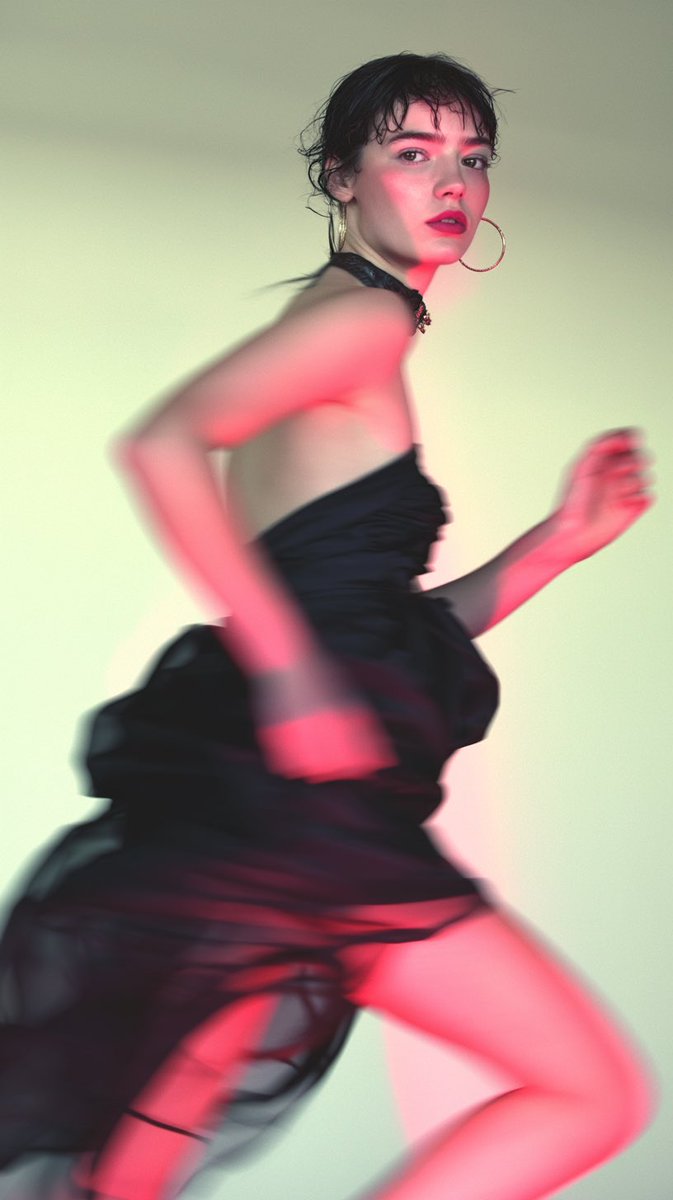
Luma launched Uni-1 and says it can reason through prompts while generating images. Creators report stronger composition on first pass for sketch-to-photo, multiview characters, and reference-led scenes, which should cut correction loops.
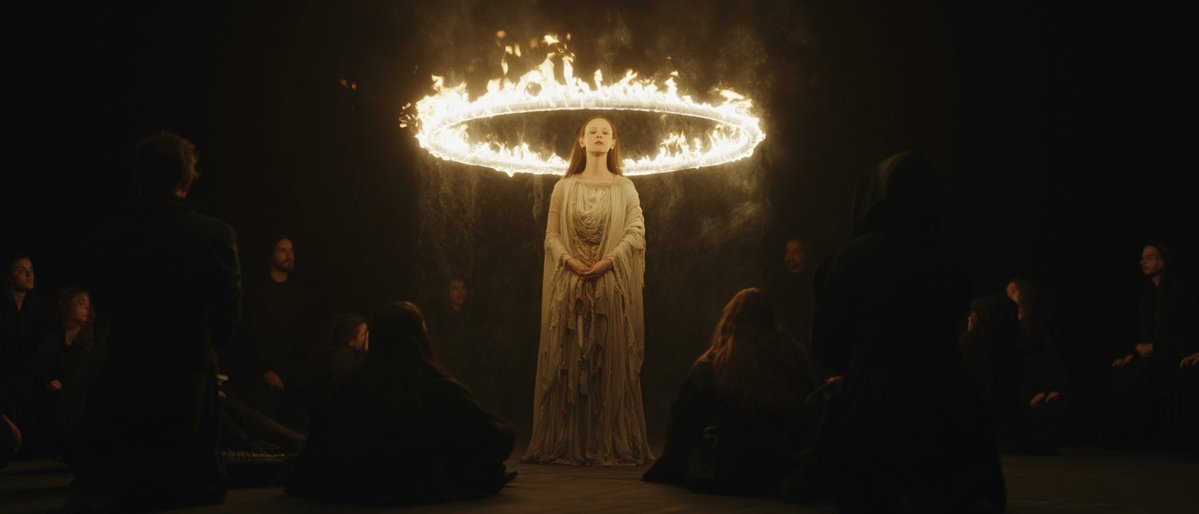
Creators are moving from V8 calibration complaints to darker film-still scenes, fashion shots, and worldbuilding tests, with ECLIPTIC remakes showing stronger depth and lighting. Retest saved SREF recipes if you rely on V8 for cinematic ideation.
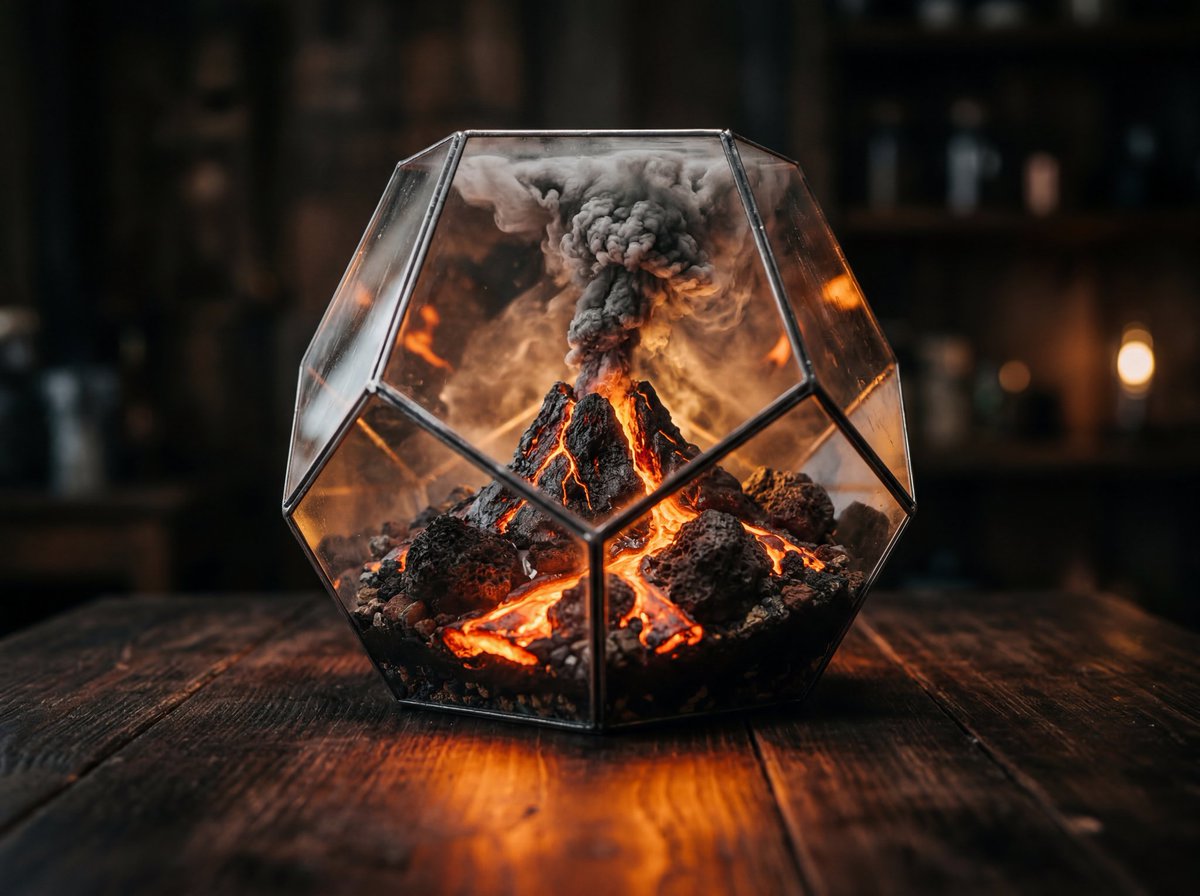
Shared Nano Banana 2 workflows now cover turnaround sheets, distinctive facial traits, and photoreal rerenders that keep the framing of a reference image. Use one prompt grammar for concept art, editorial portraits, and animation prep.
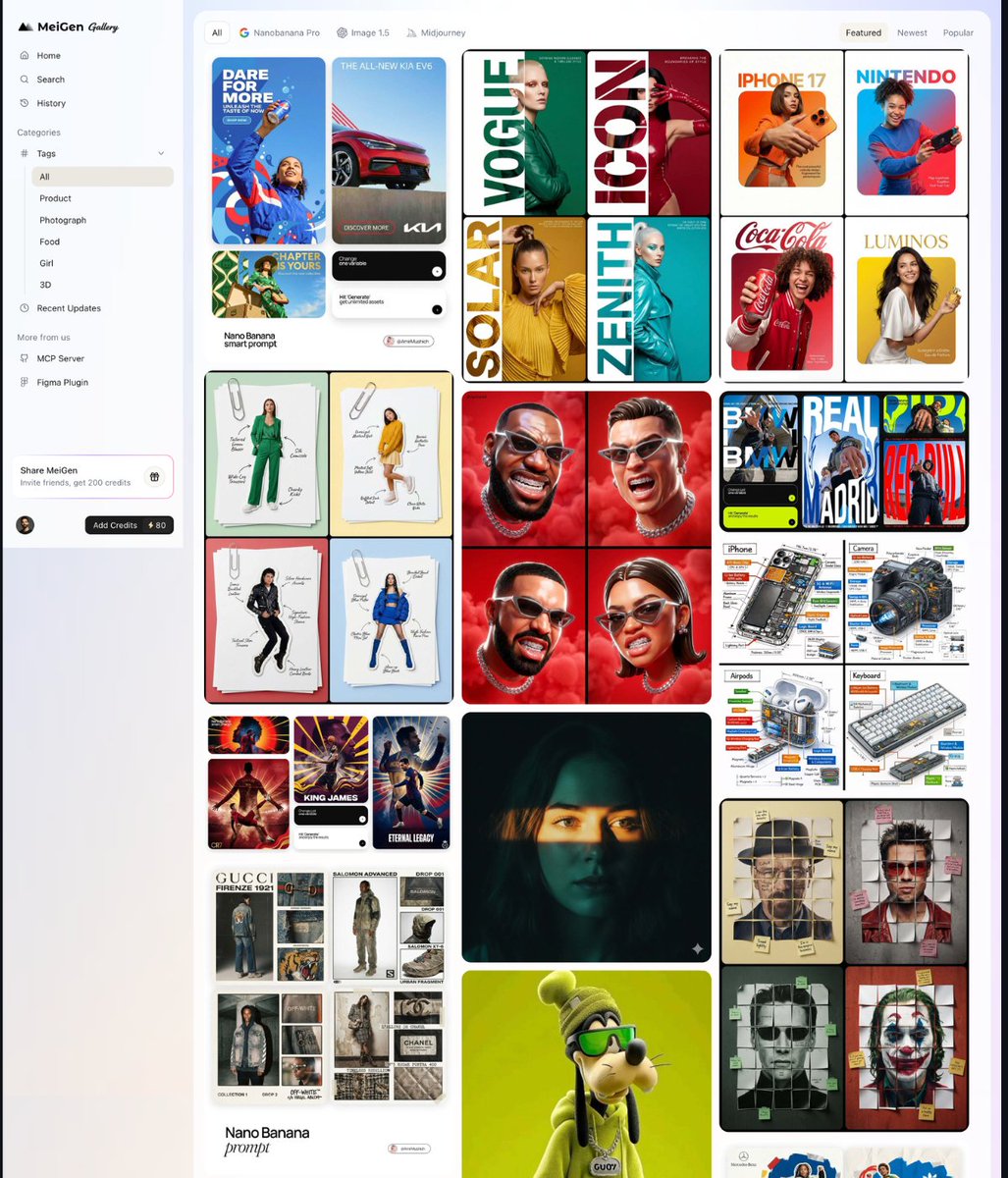
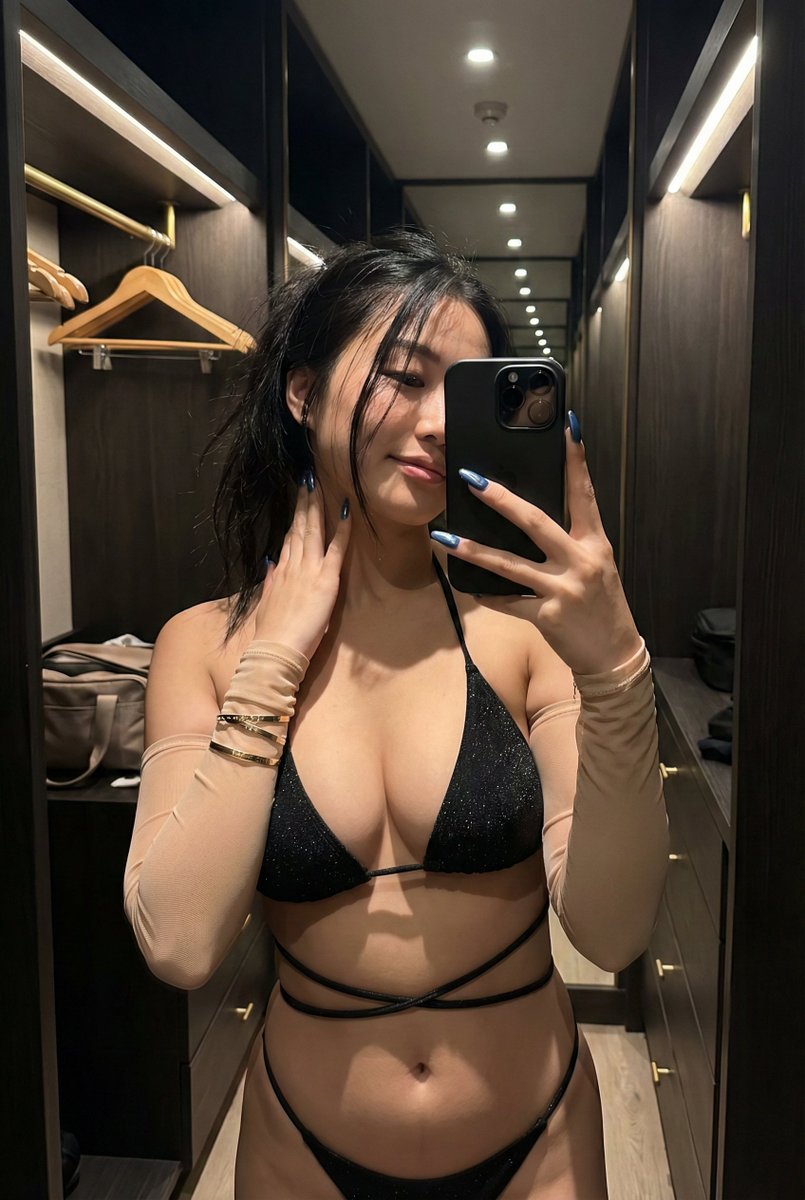
Creators are treating Nano Banana prompts like reusable specs, from PromptsRef's 400-plus library to JSON selfie templates, Leonardo night-flash recipes, and Notion-style icon packs. Keep the structure and swap the variables if you want repeatable style systems instead of one-off hits.
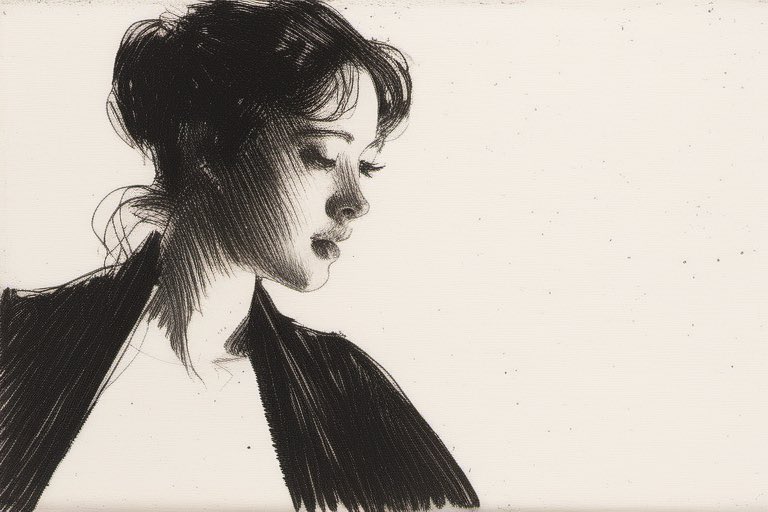
Claire Silver detailed an installation where Mary writes and sketches continuously for five days, with audience inputs routed through live feeds and a modified Edwardian telephone. It shows one way to turn AI art into a physical, durational experience instead of a single screen-based image.
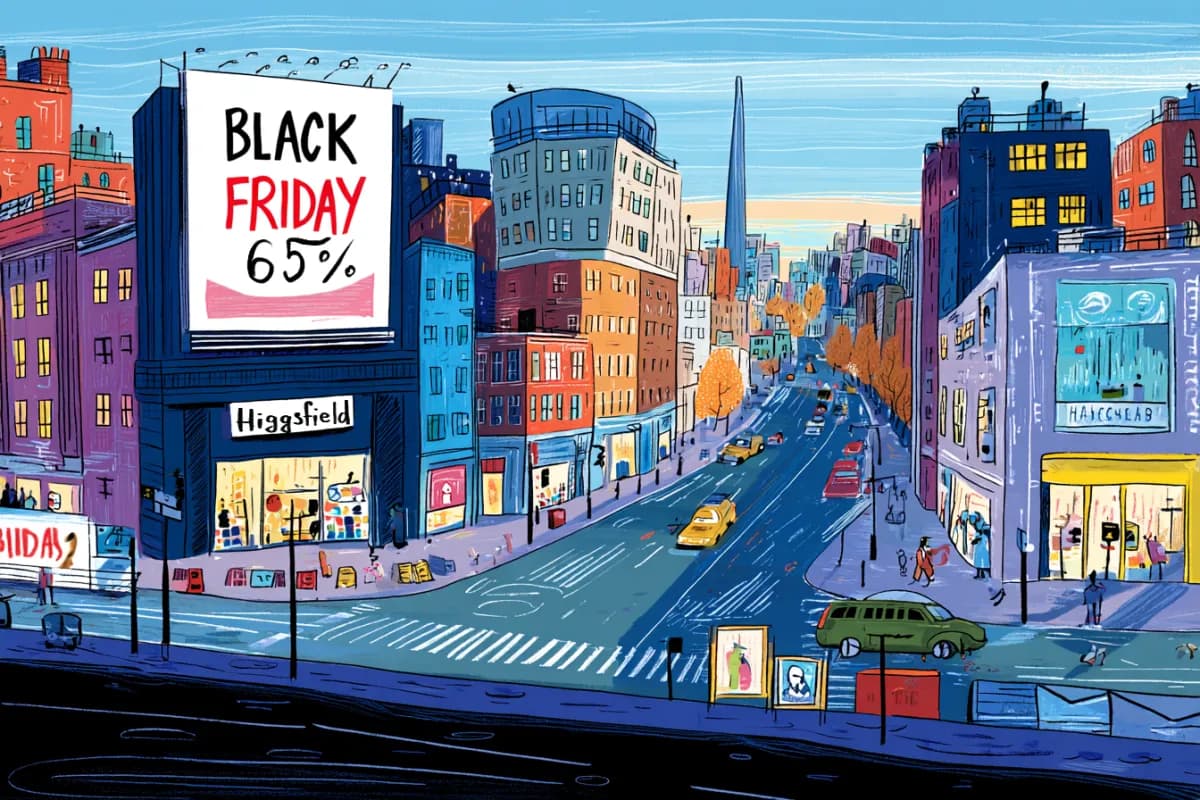
Glenn Williams says he ran three rounds of testing inside Firefly Boards, scoring 176 images across 12 models, five containers, and five ecosystems before publishing the surviving prompts. Benchmark whole prompt systems, not just single models, if you want repeatable creative output.
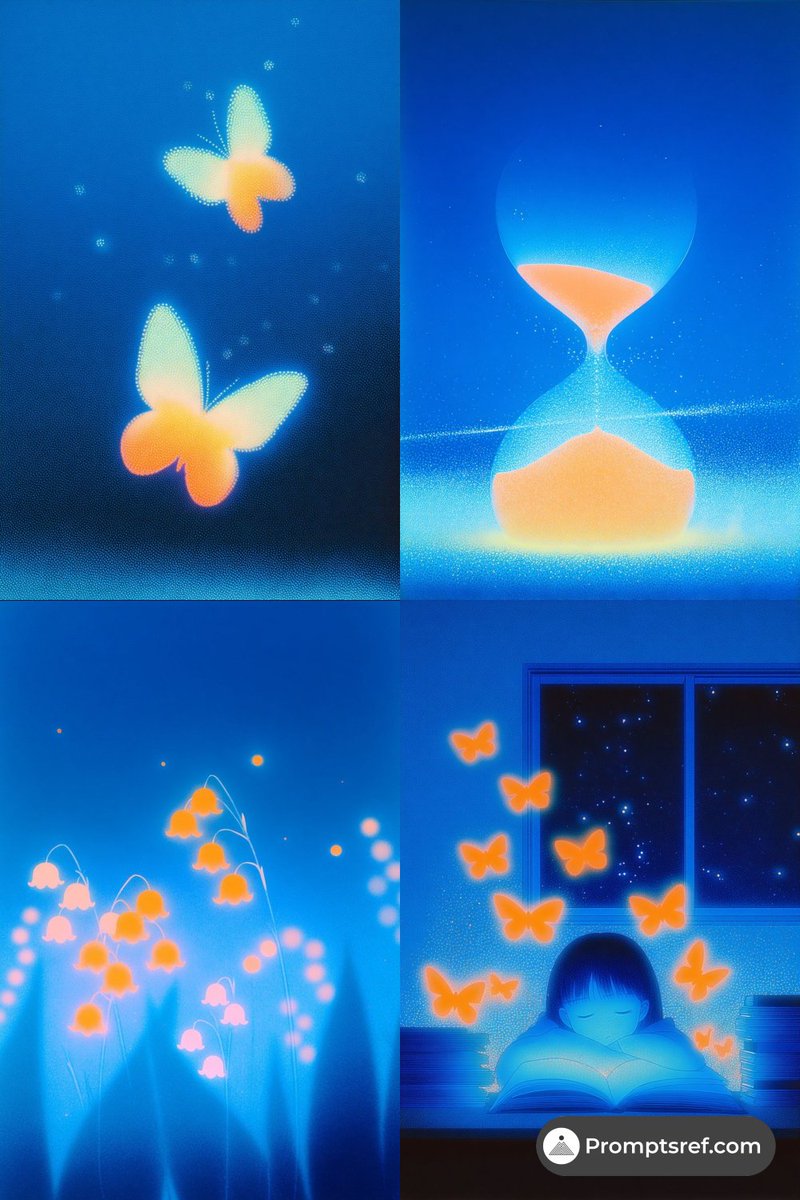
Creators are turning Midjourney V8 SREF v7 into reusable style packs for cartoons, etchings, retro anime, holographic fantasy, and minimalist branding. Save standout codes now because faster, cheaper moodboards are starting to work like a visual search system.
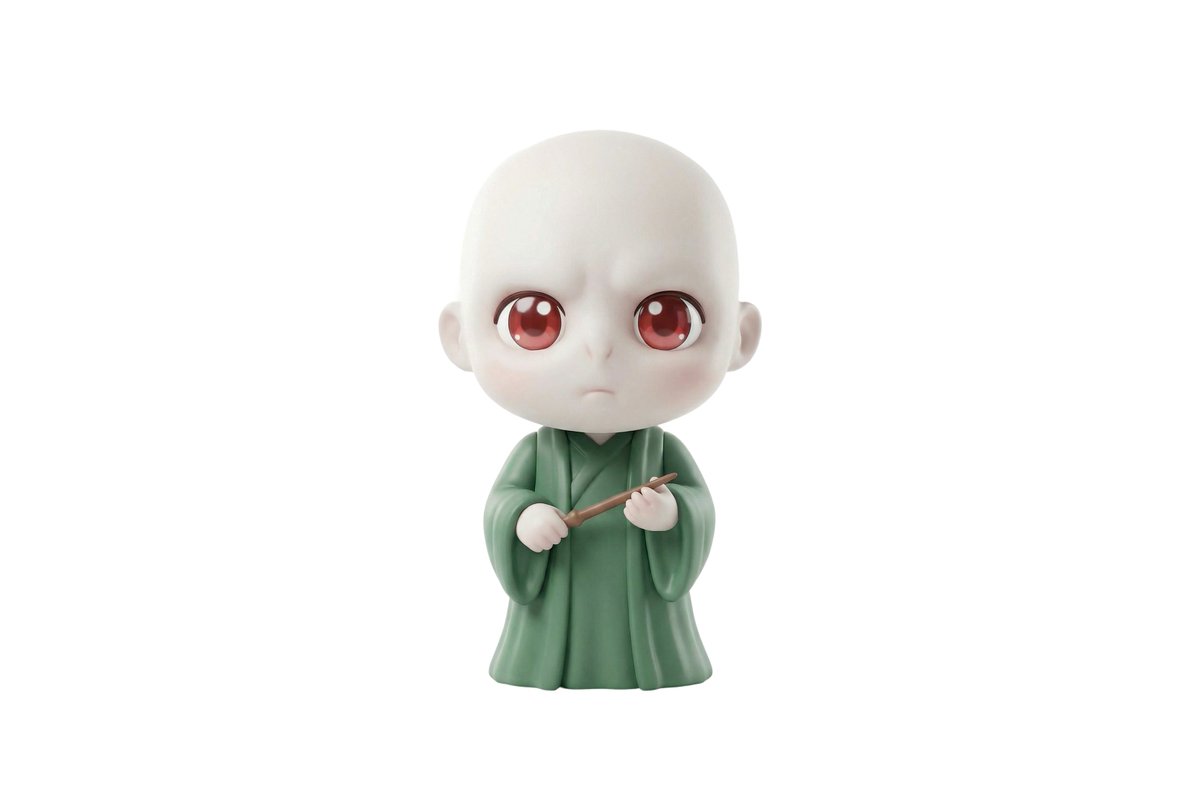
A detailed Nano Banana 2 prompt is turning selfies, characters, and celebrities into glossy 3D chibi figurines while preserving identity cues. Use it for merch mockups, avatar packs, or toy-style concept sheets that need consistent faces and outfits.
Creators are moving from V8 calibration complaints to darker film-still scenes, fashion shots, and worldbuilding tests, with ECLIPTIC remakes showing stronger depth and lighting. Retest saved SREF recipes if you rely on V8 for cinematic ideation.
Shared Nano Banana 2 workflows now cover turnaround sheets, distinctive facial traits, and photoreal rerenders that keep the framing of a reference image. Use one prompt grammar for concept art, editorial portraits, and animation prep.
Glenn Williams says he ran three rounds of testing inside Firefly Boards, scoring 176 images across 12 models, five containers, and five ecosystems before publishing the surviving prompts. Benchmark whole prompt systems, not just single models, if you want repeatable creative output.
Hailuo is pushing anime relight tutorials, drag-and-click Light Studio edits, and Midjourney plus Nano Banana combos on its site. Use it when you want faster lookdev passes without rewriting prompts for every lighting change.
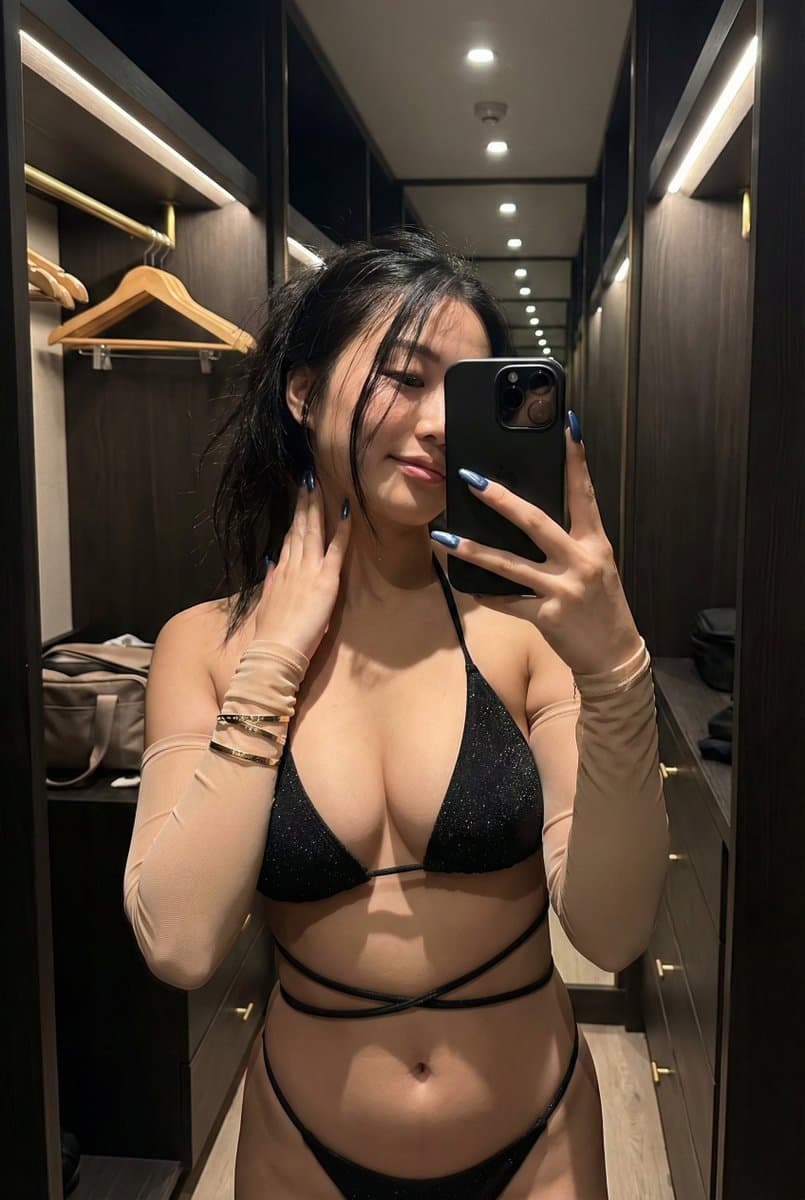
Creators are treating Nano Banana prompts like reusable specs, from PromptsRef's 400-plus library to JSON selfie templates, Leonardo night-flash recipes, and Notion-style icon packs. Keep the structure and swap the variables if you want repeatable style systems instead of one-off hits.
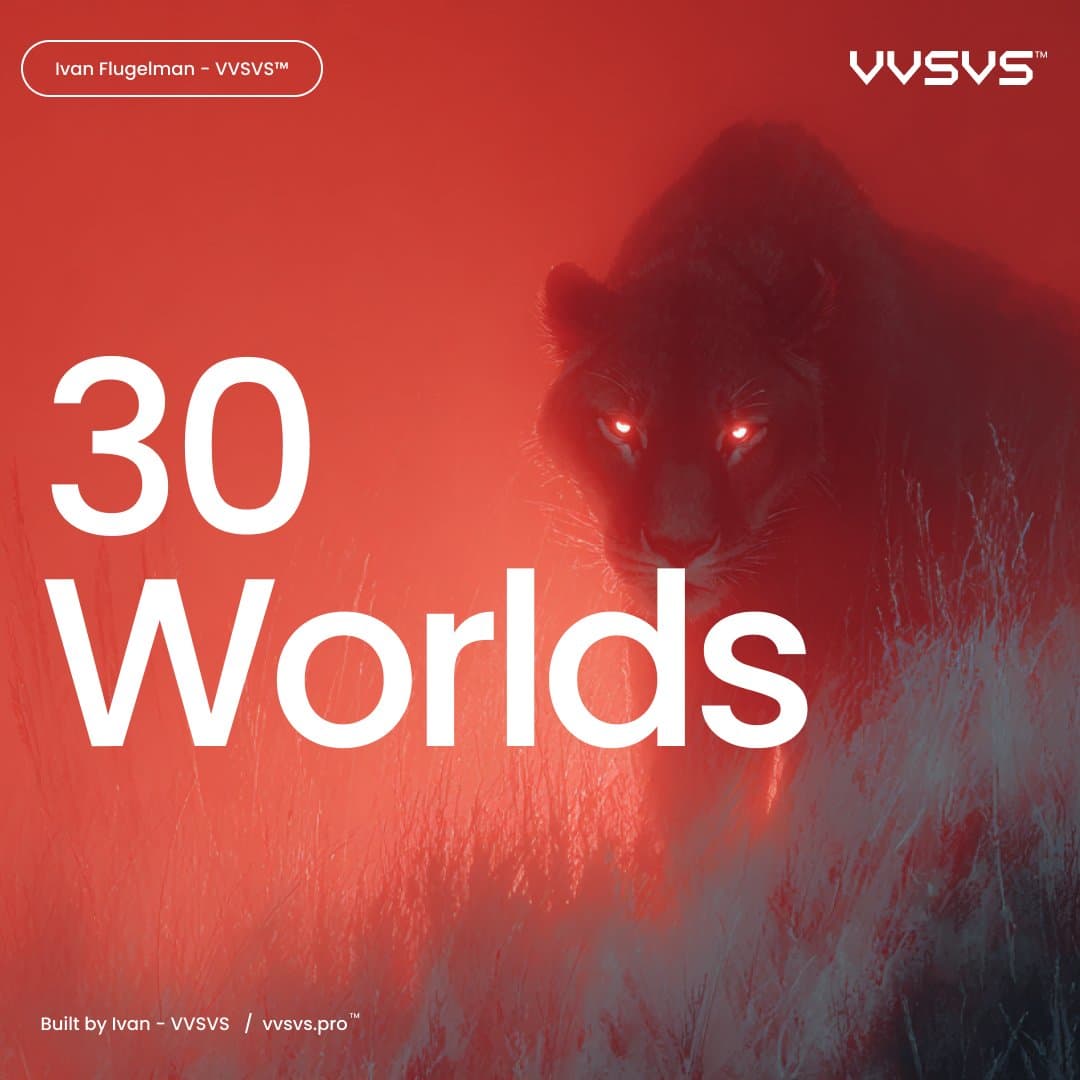
VVSVS says Midjourney V8 changed how months of calibrated style refs behave, so he cut a 300-world project down to a smaller 30-world pack. If you sell packs or keep internal reference libraries, retest them on V8 before promising consistency.
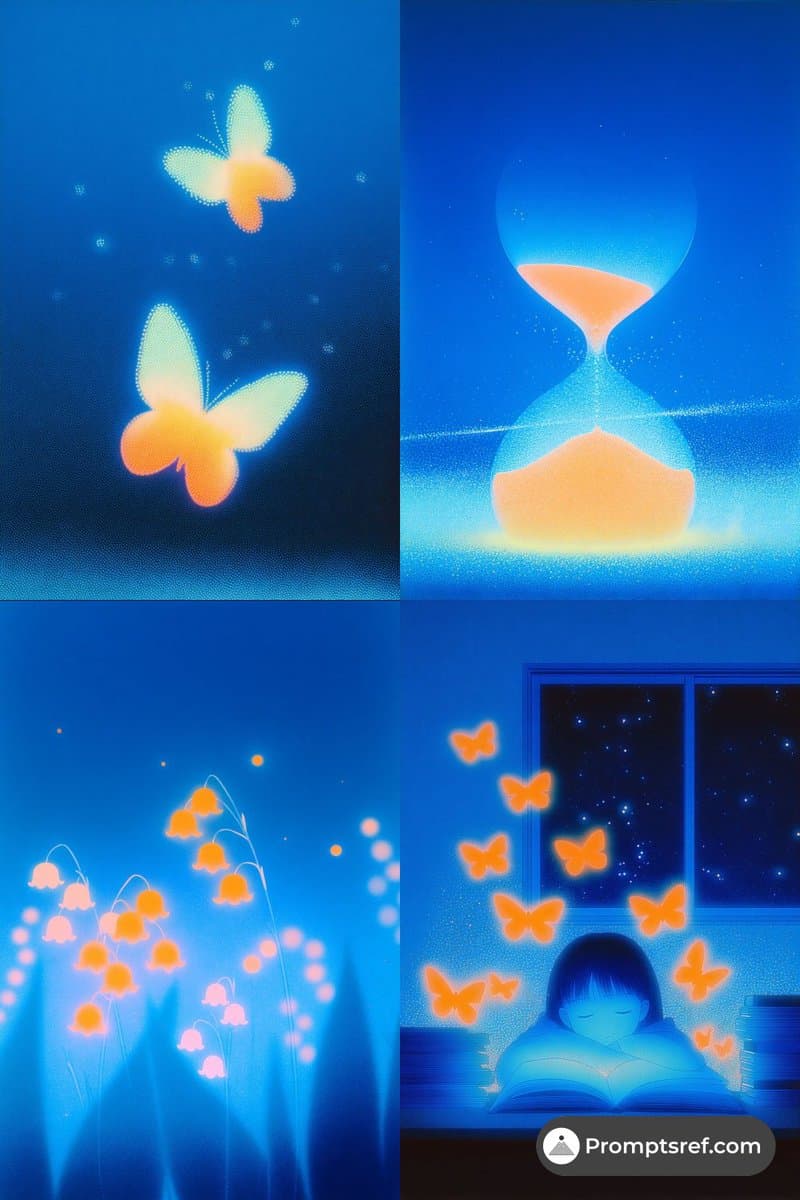
Creators are turning Midjourney V8 SREF v7 into reusable style packs for cartoons, etchings, retro anime, holographic fantasy, and minimalist branding. Save standout codes now because faster, cheaper moodboards are starting to work like a visual search system.
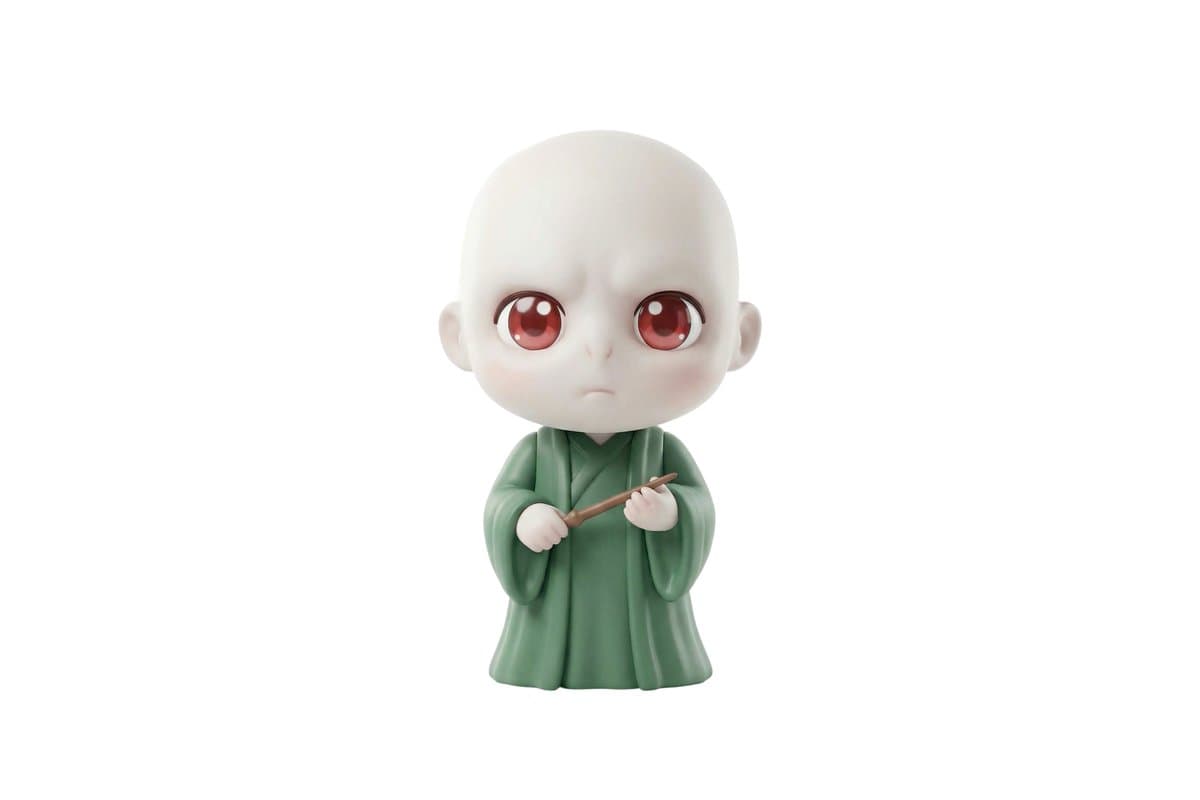
A detailed Nano Banana 2 prompt is turning selfies, characters, and celebrities into glossy 3D chibi figurines while preserving identity cues. Use it for merch mockups, avatar packs, or toy-style concept sheets that need consistent faces and outfits.