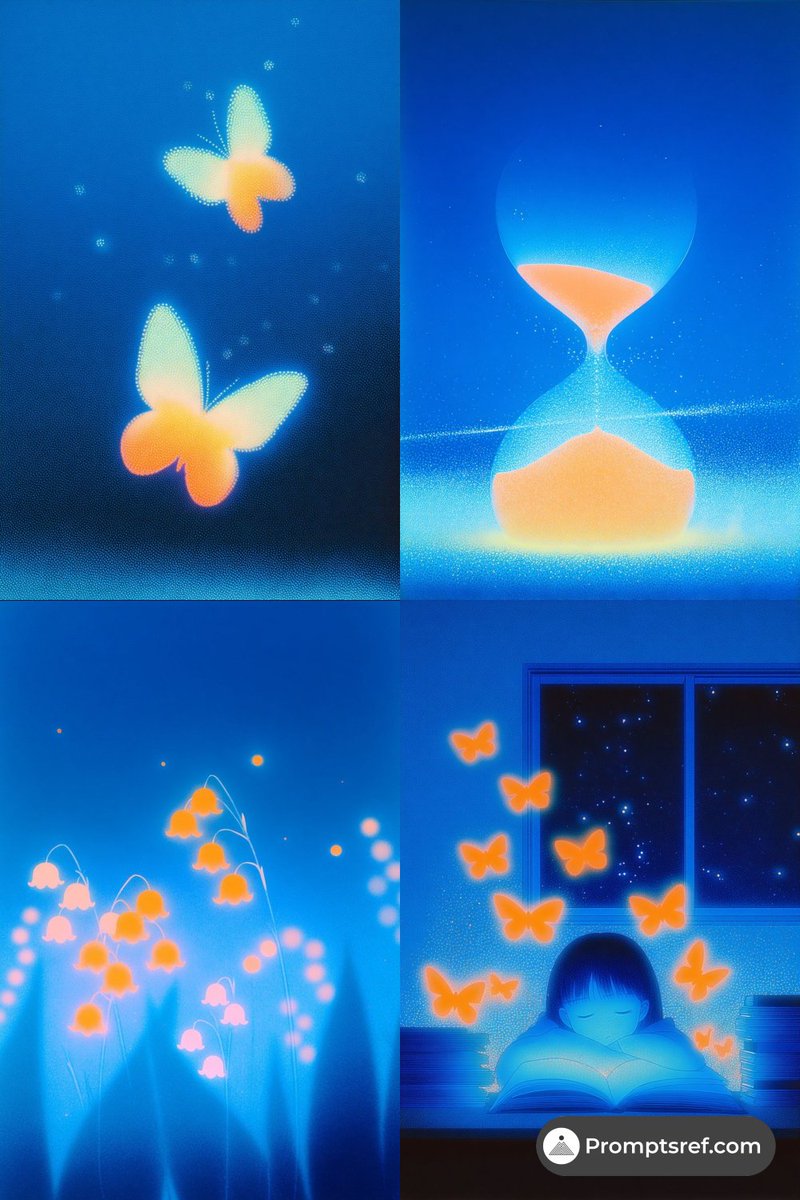
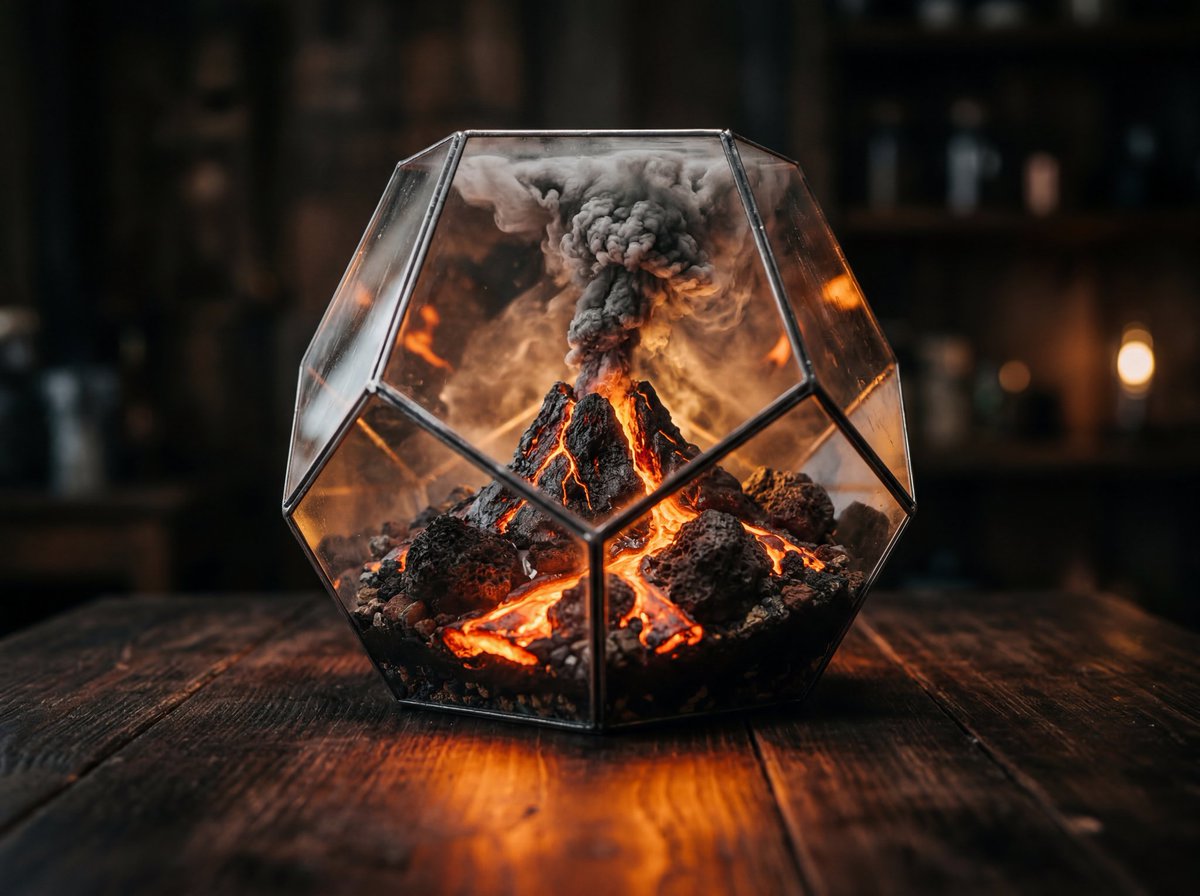
Creator posts on March 24 pushed Midjourney V8 hardest on fashion, fine art and moody editorial imagery, while David Holz shared data showing longer prompts are climbing fast. It looks increasingly strong for art-direction-heavy work, but prompt complexity is becoming part of the workflow cost.
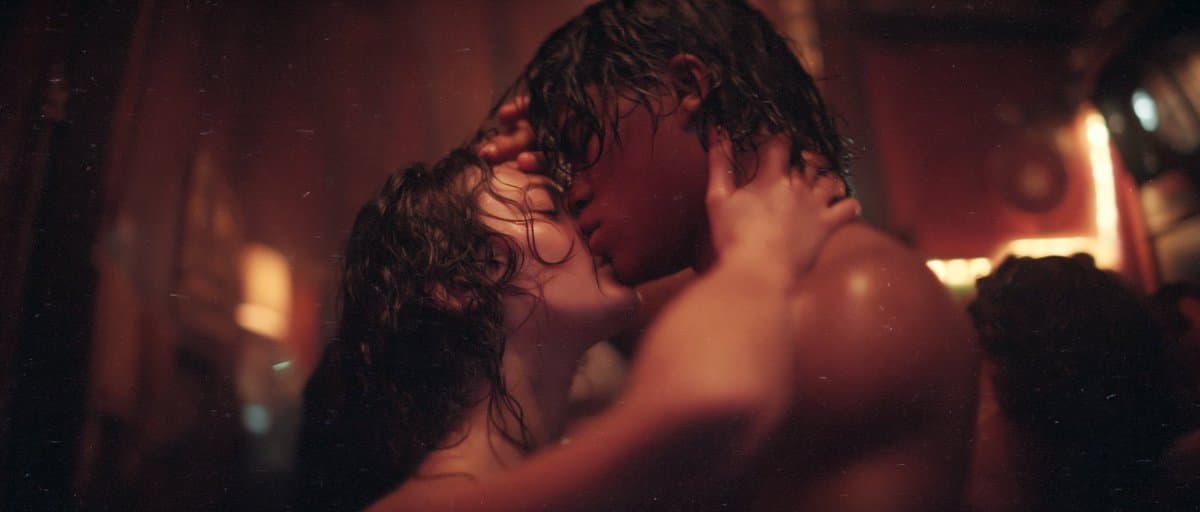
The best evidence for V8 right now is the work itself. Dustin Hollywood’s first batch pairs fashion-editorial composition with high-concept image logic: a nude figure under a plane shadow, a helmeted model beside a red car, and a pool portrait with a shark-fin silhouette all read like magazine concepts, not stock prompt outputs editorial set. LuoErik8lrl’s parallel tests push a different strength: low-light cinematic scenes with close facial framing, layered foreground blur, and strong subject isolation in images like the waterfall boat shot and the twilight rider cinematic shots.
The clearest consensus is around fashion and fine art. Hollywood’s second post doubles down on sculptural garments, wet textures, severe shadows, and body-led styling, then says V8 is the best fashion/fine-art image model they’ve used fashion tests. Supporting posts broaden that claim rather than repeating it: another Hollywood set moves into accessory campaigns and nocturnal fashion stills more vibes, while pzf_ai gets painterly, location-inspired studies from Melaka with glowing windows, saturated walls, and soft atmospheric reflections instead of glossy photorealism Melaka study.
Holz’s chart offers the clearest workflow clue behind these results. The percentage of Midjourney prompts over 1,300 characters has been climbing over time, with a late spike that suggests users are leaning harder on LLM-built or highly structured prompts to steer outputs prompt chart. That fits the V8 examples: many of the strongest images look less like single-idea generations and more like tightly art-directed scenes with specific lighting, wardrobe, camera distance, and mood packed into the brief more shots.
VVSVS says Midjourney V8 changed how months of calibrated style refs behave, so he cut a 300-world project down to a smaller 30-world pack. If you sell packs or keep internal reference libraries, retest them on V8 before promising consistency.
 breaking
OpenAI said it is shutting down the Sora app and will share timelines for the app and API, plus instructions for preserving work. Creators should export assets and test replacement tools now if they built remix-heavy video workflows on Sora.
 prompt
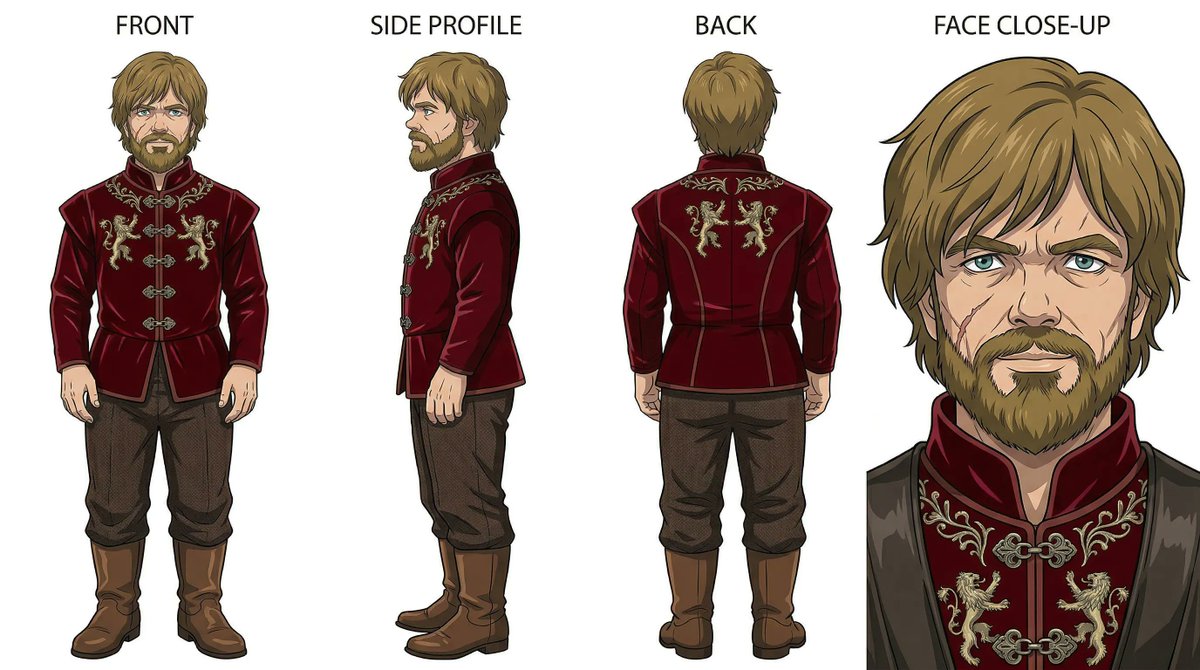
Creators are turning Nano Banana 2 prompting into reusable playbooks built around grids, reference turnarounds, effect templates and product-shot skeletons. That matters because repeatable prompt systems make ads, posters and styled social assets easier to scale without losing consistency.
 release
Luma launched Agents for creative work, with creator tests focused on keeping characters, lighting and environments coherent across multi-scene sequences. Use it to cut file juggling and lock image generation to Uni-1 when you need tighter control.
 release
Kimi Slides turns prompts or uploaded files into editable decks, then exports them as PPT or images with dense consulting-style layouts intact. Brand, sales and product teams can draft structured presentations fast and keep refining them in familiar slide tools.
🔥 @midjourney v8 is the best fashion/fine art image model I’ve ever used. This is wild.


the % of Midjourney prompts over 1300 characters long - this is a really interesting proxy for how much people are using LLMs to prompt image models!