Revise debuted as a document-first editor that keeps rewriting, proofreading, and generation inside the page instead of a separate chat window. Writers should compare the inline workflow against copy-paste prompting, especially when structure and revision history matter.

Posted by artursapek
Revise.io is an AI-powered word processor and document editor that integrates advanced AI models from OpenAI (GPT-5.4), Anthropic (Claude), and xAI (Grok). Key features include a fully integrated AI agent for proofreading, rewriting, editing, and generating content; visual revision history to track and compare changes; real-time collaboration; import/export support for Word (.docx), PDF, Markdown, and HTML; rich text editing with tables, code, equations, diagrams, and images; and learning user preferences for personalized assistance. It offers a free tier with limited AI usage and paid plans (Plus $8/mo, Pro $20/mo) for higher limits and advanced models. Designed for essays, reports, blog posts, and professional documents.
Revise is positioning itself as a full word processor with an embedded AI agent, not a chat sidebar bolted onto docs. On the product page, the feature set includes inline rewriting and proofreading, revision history, collaboration, and richer document elements such as tables, code, equations, diagrams, and images. The same page says it can import and export .docx, PDF, Markdown, and HTML, which makes it more relevant to writers moving drafts between publishing and client workflows.
The launch thread frames the main pitch more bluntly: the founder's post says the goal is to replace the copy-paste loop between ChatGPT and a document when you are iterating heavily on a draft.
Posted by artursapek
Thread discussion highlights: - jitl on canvas rendering and layout: It's cool to see a brand-new WIYSIWYG editor on the web, especially one using canvas for rendering from the start. How did you go about architecting the rendering and input layer? What are you using for text shaping and layout? - artursapek on implementation details: all of this was built from scratch... regarding rendering/text layout, it’s all based on measureText in the Canvas API. the layout engine is my own. documents are made up of “blocks” like lists and paragraphs and each implements its own rendering, cursor movement, and layout logic. - siscia on writing workflow: What I would love to see is a tool that makes my writing and thinking clearer... Does this sentence makes sense? Does the conclusion I am reaching follows from what I am saying? ... Can I re-arrange my essay so that it is simpler to follow?
The most useful early signal is what people wanted the tool to do. In the discussion, one commenter asked for help making writing and thinking clearer — checking whether a sentence makes sense, whether a conclusion follows, and whether an essay could be rearranged to read more simply. That is a stronger test than one-off text generation because it centers structure and reasoning inside the draft itself.
There is also some technical ambition under the hood. The founder said in the launch thread that Revise was built from scratch, using canvas-based text rendering and a custom block layout engine for lists and paragraphs, which suggests the editing experience is meant to be a core product surface rather than a thin wrapper around model calls.
Posted by artursapek
For creatives and writers, Revise is pitched as an always-on AI writing workspace rather than a chat detour: edit, rewrite, proofread, and generate directly inside the document, with revision history and collaboration. The discussion leans toward whether it can help with clarity, structure, and polish beyond basic copy-paste into a model chat.
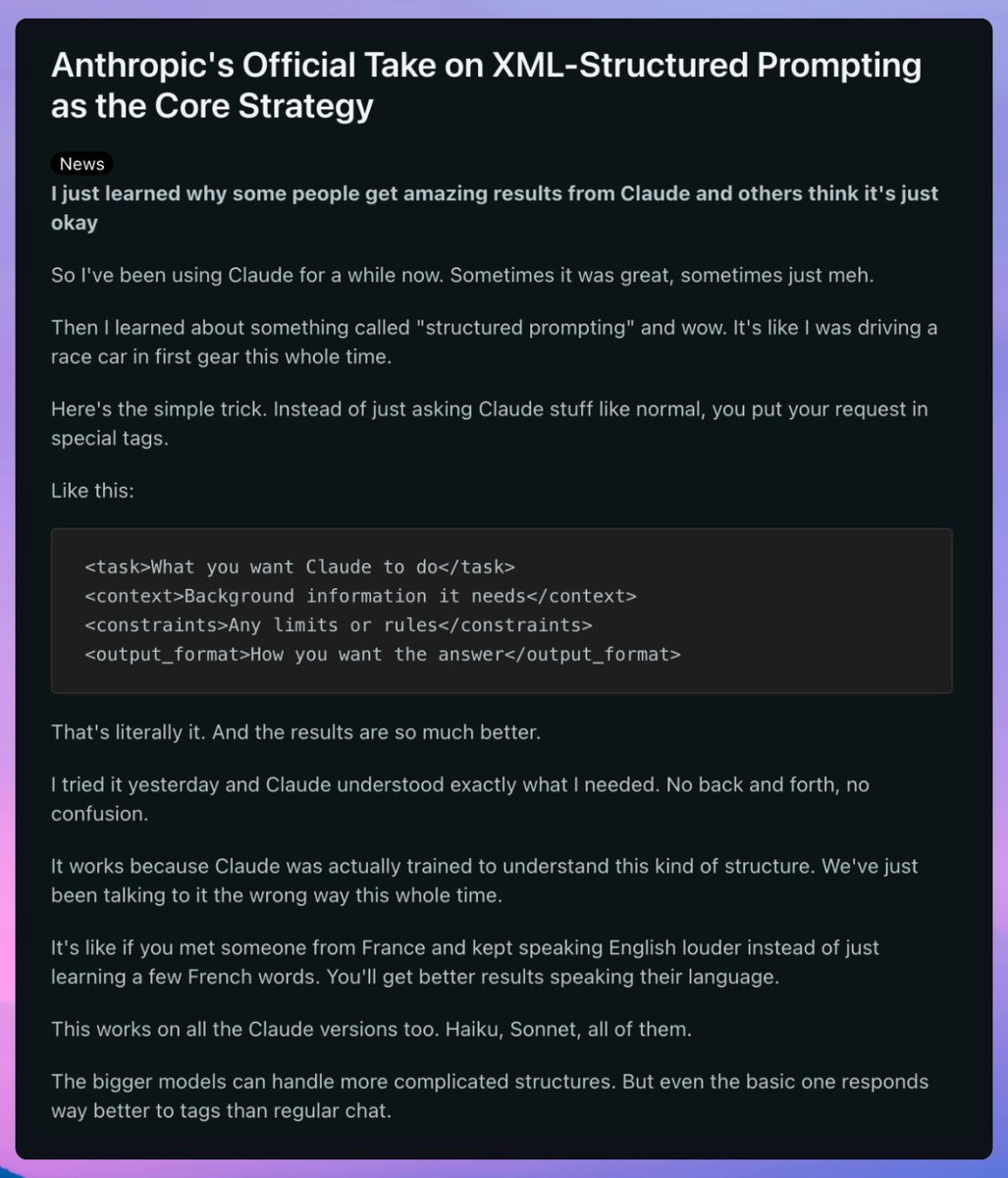
A shared prompt pack uses Claude's XML structure for channel planning, title testing, upload systems, Shorts funnels, retention rewrites, and competitor audits. Use the templates when you want the model to ask for constraints before it drafts strategy.
 release
Topview added Seedance 2.0 to Agent V2, pairing multi-scene generation with a storyboard timeline and Business Annual access billed as 365 days of unlimited generations. That moves longform video workflows toward editable sequences instead of stitched clips.
 workflow
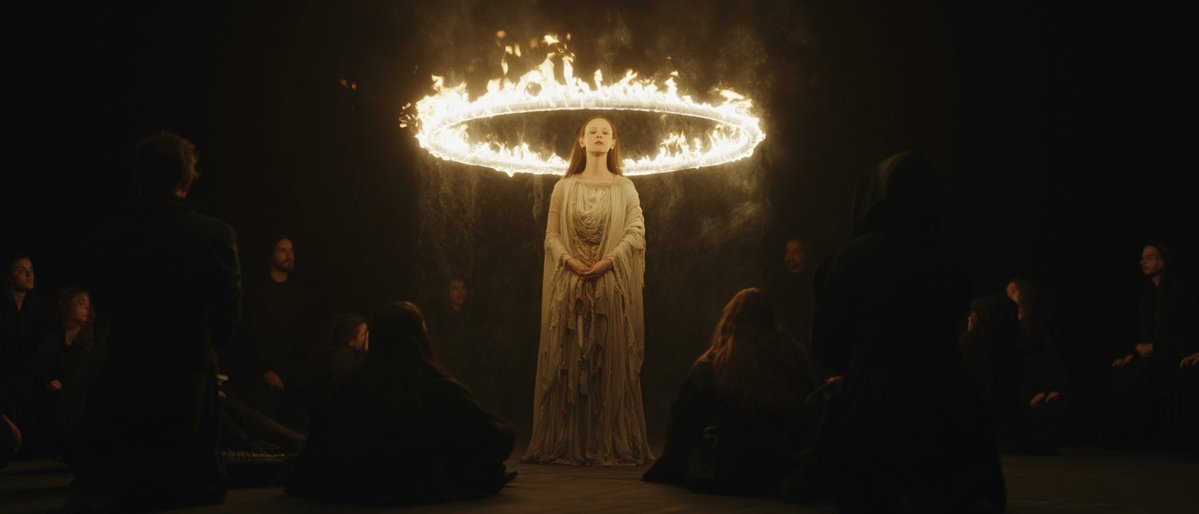
Creators are moving from V8 calibration complaints to darker film-still scenes, fashion shots, and worldbuilding tests, with ECLIPTIC remakes showing stronger depth and lighting. Retest saved SREF recipes if you rely on V8 for cinematic ideation.
 workflow
A shared workflow converts GTA-style stills into photoreal images with Nano Banana 2, then animates them in LTX-2.3 Pro 4K using detailed material, skin, vehicle, and camera prompts. Try it for trailer-style previsualization if you want more control at lower cost.
 workflow
Shared Nano Banana 2 workflows now cover turnaround sheets, distinctive facial traits, and photoreal rerenders that keep the framing of a reference image. Use one prompt grammar for concept art, editorial portraits, and animation prep.