Agent Computer launched cloud desktops that boot in under half a second and expose persistent disks, shared credentials, SSH access, and ACP control for agents. It gives coding agents a faster place to run tools and reuse auth, but teams still need to design safe session and credential boundaries.

Agent Computer is pitching a fast-starting remote machine layer for agents rather than another ephemeral browser task runner. In the launch post, the company thread says its “cloud computers” start in under half a second and combine persistent disk, shared credentials, and SSH access, while the product site describes full Ubuntu machines that can be created from a CLI, dashboard, or API.
The practical difference is statefulness. The desktop demo shows a persistent virtual desktop workflow, and the SSH demo shows those machines being reached from a local terminal instead of only through a hosted web UI. That makes the product sound closer to a prewired remote dev box for agents, where installed software, files, and sessions survive long enough to matter.
The launch thread focuses on reducing setup friction for coding agents that already depend on local credentials and long-lived environments. In the subscription demo, Agent Computer says users can bring Claude Code or Codex subscriptions “with a single command,” and the auth-sharing post says auth tokens can be automatically shared to newly created computers.
Control is also exposed programmatically. The ACP demo says agents can “prompt, watch, and manage cloud sessions” via the computer CLI over ACP, which points to multi-agent or supervisor-style workflows rather than one-off remote desktops. Separately, the publish demo shows output being published on the internet, and the docs page adds that machines are reachable over VNC, SSH, and HTTPS with support for configuring, sharing, and running live agent sessions.
Vercel Emulate added a programmatic API for creating, resetting, and closing local GitHub, Vercel, and Google emulators inside automated tests. That makes deterministic integration tests easier to wire into CI and agent loops without manual setup.
 release
OpenClaw shipped version 2026.3.22 with ClawHub, OpenShell plus SSH sandboxes, side-question flows, and more search and model options, then followed with a 2026.3.23 patch. Teams get a broader plugin surface, but should patch quickly and review plugin trust boundaries as the ecosystem grows.
 release
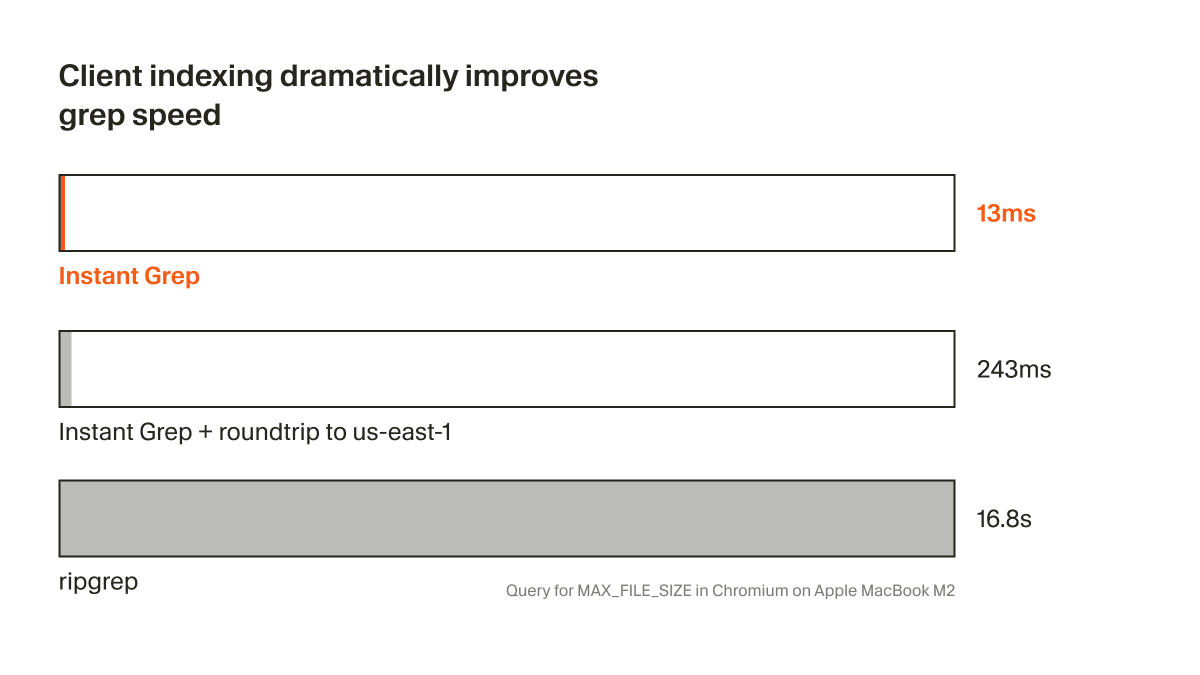
Cursor shipped Instant Grep, a local regex index built from n-grams, inverted indexes, and Bloom filters that drops large-repo searches from seconds to milliseconds. Faster candidate retrieval shortens the coding-agent loop, especially when ripgrep-style scans become the bottleneck.
 breaking
ChatGPT now saves uploaded and generated files into an account-level Library that can be reused across conversations from the web sidebar or recent-files picker. It removes repetitive re-uploading and makes past PDFs, spreadsheets, and images part of a persistent working context.
 breaking
Epoch AI says GPT-5.4 Pro elicited a publishable solution to one 2019 conjecture in its FrontierMath Open Problems set, with a formal writeup planned. Treat it as an early milestone worth reproducing, not blanket evidence that frontier models can already automate math research.
Introducing Agent Computer Cloud computers for AI agents in <0.5s with persistent disk, shared credentials, and SSH access agentcomputer.ai
Let your agents prompt, watch, and manage cloud sessions using the computer cli via acp