Anthropic shipped Claude Code 2.1.80 with research-preview Channels for Telegram and Discord, memory verification before reuse, and fixes for missing parallel tool results on resume. Upgrade if you rely on long-running sessions, SQL analysis, or remote control from chat apps.
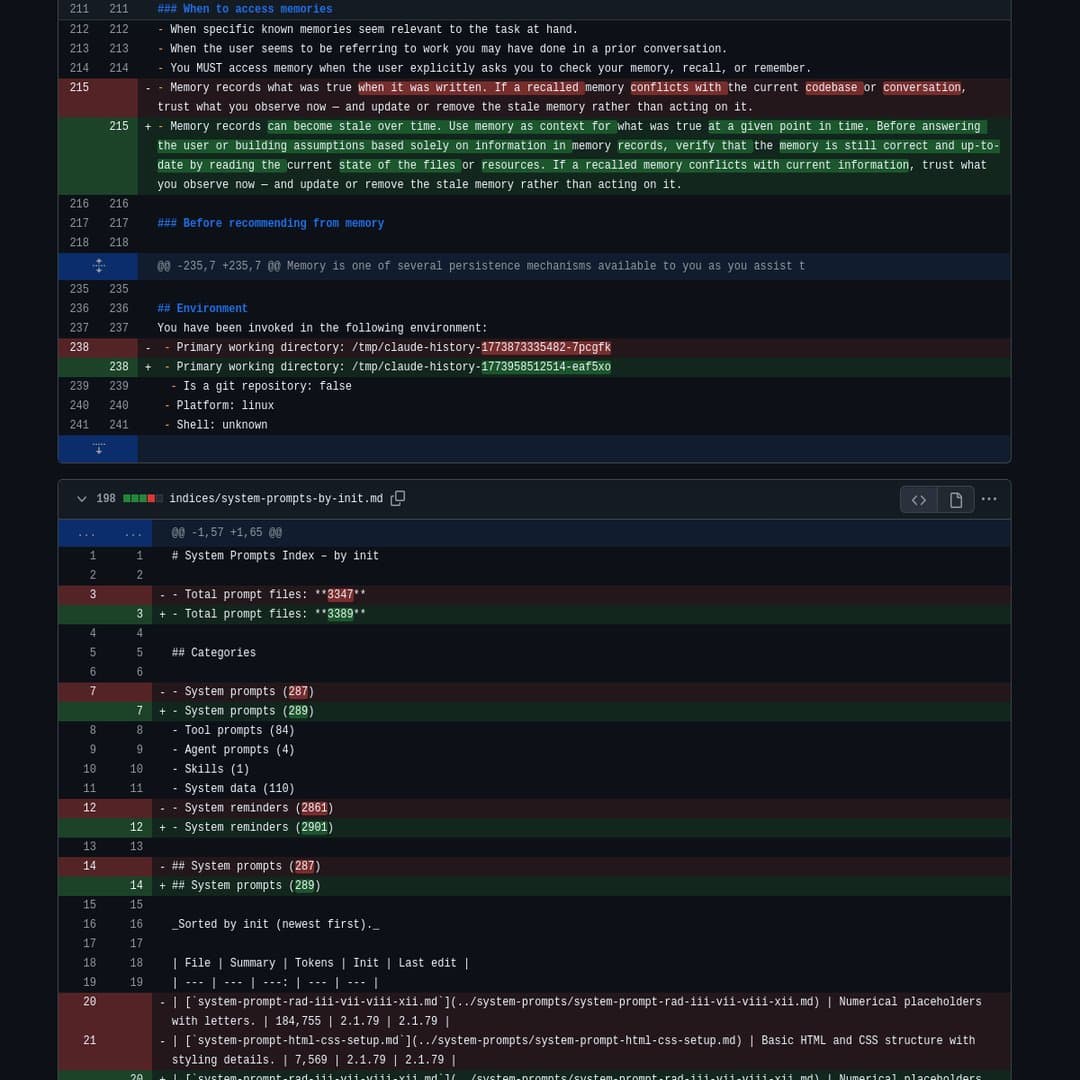
--resume state for parallel tool calls, adds a rate_limits field for statusline scripts, and cuts startup memory by about 80 MB on 250k-file repos, according to the 2.1.80 changelog.--channels feature lets select MCP servers push messages into a running Claude Code session, with Telegram and Discord as the first official integrations, as shown in the channels launch and described in the channels docsClaude Code 2.1.80 is a reliability-heavy release disguised as a feature drop. The biggest operational fix is that resumed sessions now restore all parallel tool_use and tool_result pairs instead of surfacing the old “[Tool result missing]” failure mode, according to Anthropic’s release thread. The same changelog says the build also fixes 400s in fine-grained tool streaming when Claude Code is routed through API proxies, Bedrock, or Vertex, and improves @ file autocomplete responsiveness in large repos.
The release adds a few concrete control surfaces for power users. Anthropic’s CLI changes says statusline scripts now get a rate_limits field covering 5-hour and 7-day windows, plugin entries can now be declared inline in settings.json via a new source: "settings", and skills or slash commands can set effort frontmatter to override model effort on invocation. The public changelog also lists --channels as a research-preview flag.
SQL workflows that regressed earlier are back. The prompt and surface diff notes that SQL analysis functions no longer show the old “cannot construct due to unbound types” error, restoring prior analysis behavior for users who depended on those tool paths.
Channels is the new headline feature: Anthropic says it lets “select MCPs” control a live Claude Code session, starting with Telegram and Discord, so you can message the agent from a phone while the session stays attached to your local environment launch post. That is materially different from a mobile chat wrapper; the feature is designed to push events into an already running coding session.
The docs frame this as a “research preview” and make the scope clear. Anthropic’s channels docs says Channels requires Claude Code 2.1.80 or later, works with claude.ai login rather than console or API-key auth, and is meant for external events like chat messages, alerts, and webhooks entering a live session. The same docs describe security controls including sender allowlists and access policies, plus persistent or background deployment modes.
Telegram and Discord are the first official plugins, with setup guides linked from the launch thread through the Telegram README and Discord README. Supporting posts from Wes Roth and TestingCatalog echo the same implementation detail: this is remote control over MCP, not a separate hosted Claude endpoint.
The system-prompt change is small but important for engineers who rely on Claude Code memory across long-lived projects. The new guidance says memory “can become stale over time” and Claude should verify current files or resources before answering, then update or delete the stale memory if reality has changed memory guidance. That reduces a specific failure mode where an agent confidently acts on old repo state.
The release also closes a few sharp edges that show up in real usage rather than demos. Anthropic’s fix list includes a voice mode WebSocket fix for Cloudflare bot detection on non-browser TLS fingerprints, a fix for managed settings not applying at startup when remote-settings.json was cached, and the removal of /remote-control from deployments where it cannot actually function. Together with full --resume restoration, those changes make long-running and remotely supervised sessions more predictable than the previous build, which only landed about 23 hours earlier according to the release metadata.
Claude can now drive macOS apps, browser tabs, the keyboard, and the mouse from Claude Cowork and Claude Code, with permission prompts when it needs direct screen access. That makes legacy desktop workflows automatable, and Anthropic is pairing the push with more background-task support for longer agent loops.
 release
OpenClaw shipped version 2026.3.22 with ClawHub, OpenShell plus SSH sandboxes, side-question flows, and more search and model options, then followed with a 2026.3.23 patch. Teams get a broader plugin surface, but should patch quickly and review plugin trust boundaries as the ecosystem grows.
 release
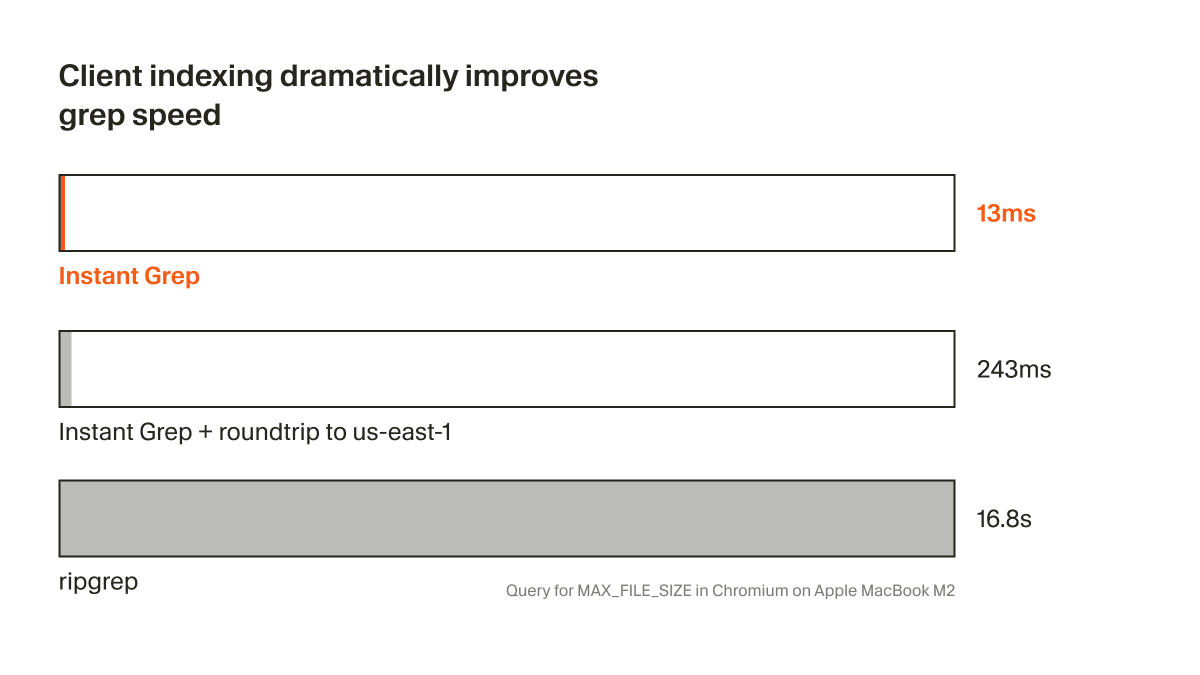
Cursor shipped Instant Grep, a local regex index built from n-grams, inverted indexes, and Bloom filters that drops large-repo searches from seconds to milliseconds. Faster candidate retrieval shortens the coding-agent loop, especially when ripgrep-style scans become the bottleneck.
 breaking
ChatGPT now saves uploaded and generated files into an account-level Library that can be reused across conversations from the web sidebar or recent-files picker. It removes repetitive re-uploading and makes past PDFs, spreadsheets, and images part of a persistent working context.
 breaking
Epoch AI says GPT-5.4 Pro elicited a publishable solution to one 2019 conjecture in its FrontierMath Open Problems set, with a formal writeup planned. Treat it as an early milestone worth reproducing, not blanket evidence that frontier models can already automate math research.
We just released Claude Code channels, which allows you to control your Claude Code session through select MCPs, starting with Telegram and Discord. Use this to message Claude Code directly from your phone.

This is a research preview that we'll be expanding more on. Read more in our docs on Channels here: code.claude.com/docs/en/channe…