Google AI Studio now lets developers set experimental per-project spend caps for Gemini API usage. Use it as a native billing guardrail, but account for roughly 10-minute enforcement lag and possible batch-job overshoot.
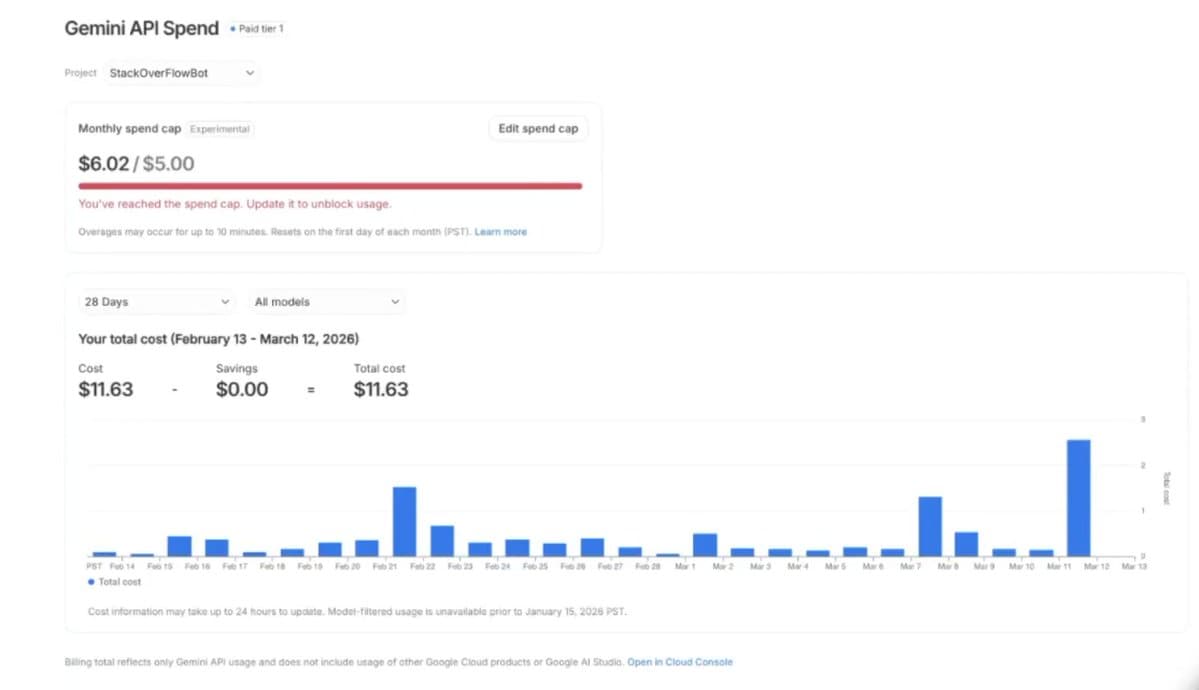
Google added a new spend dashboard in AI Studio that lets you set a project-level dollar ceiling for Gemini API usage. In Google's product note, the company frames it as a way to give developers "more control and peace of mind" when building with Gemini.
The main change is that this is an enforcement mechanism, not just a billing alert. A walkthrough in dashboard demo shows a user setting a fixed dollar limit directly in the Gemini API dashboard, while the spend UI screenshot shows the blocked state after a cap is exceeded, including an "Edit spend cap" control and a message that usage is unblocked only after the cap is raised. The same screenshot also says the cap resets on the first day of each month PST and that spend data itself can take up to 24 hours to update.
The guardrail is useful, but it is not a hard real-time cutoff. Google's rollout details say spend caps can take "up to a 10 minute delay" to take effect, and the AI Studio account's launch notes adds that batch mode completions may still incur overages.
That means the feature is best understood as a billing backstop with some leakage, not a precise per-request quota. Google's launch notes also label the feature experimental and say its scope may change, while the rollout thread says email notifications for cap hits are being rolled out separately.
A concrete use case came from Simon Willison, whose developer reaction highlights running Gemini prompts in CI or letting agents experiment "without fear of a nasty surprise bill." That is the gap this closes versus budget alerts alone: a native project limit inside AI Studio rather than an external notification workflow.
MiniMax introduced a flat-rate Token Plan that covers text, speech, music, video, and image APIs under one subscription. It gives teams one predictable bill across modalities and can be used in third-party harnesses, not just MiniMax apps.
 release
OpenClaw shipped version 2026.3.22 with ClawHub, OpenShell plus SSH sandboxes, side-question flows, and more search and model options, then followed with a 2026.3.23 patch. Teams get a broader plugin surface, but should patch quickly and review plugin trust boundaries as the ecosystem grows.
 release
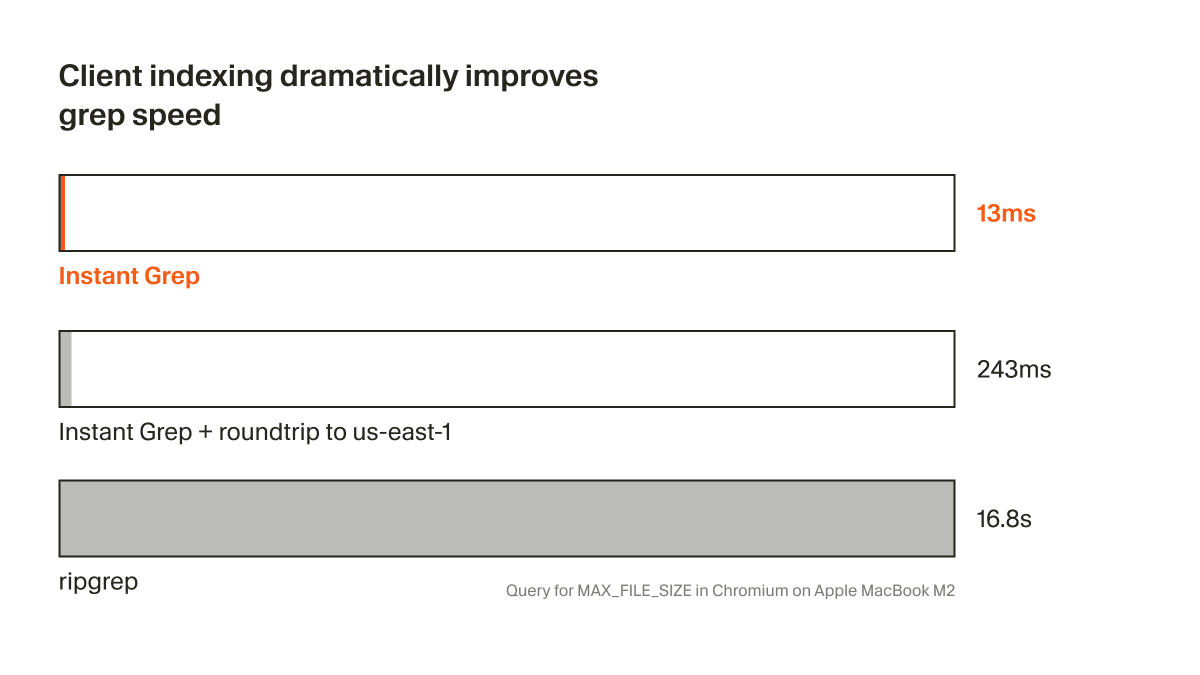
Cursor shipped Instant Grep, a local regex index built from n-grams, inverted indexes, and Bloom filters that drops large-repo searches from seconds to milliseconds. Faster candidate retrieval shortens the coding-agent loop, especially when ripgrep-style scans become the bottleneck.
 breaking
ChatGPT now saves uploaded and generated files into an account-level Library that can be reused across conversations from the web sidebar or recent-files picker. It removes repetitive re-uploading and makes past PDFs, spreadsheets, and images part of a persistent working context.
 breaking
Epoch AI says GPT-5.4 Pro elicited a publishable solution to one 2019 conjecture in its FrontierMath Open Problems set, with a formal writeup planned. Treat it as an early milestone worth reproducing, not blanket evidence that frontier models can already automate math research.
set your cap at ai.studio/spend
Big QoL! Spend caps are rolling out for the Gemini API!! Please go set a cap and send us any feedback as you use them! - Spend caps can have up to a 10 minute delay before taking effect - We are working to bring this latency down over time - We are shortly rolling out email Show more