Google is adding Grounding with Google Maps to AI Studio’s UI, and a Google reply says the Maps grounding capability already exists in the API. If you build location-heavy Gemini apps, start designing around map lookups instead of stitching search and geocoding manually.
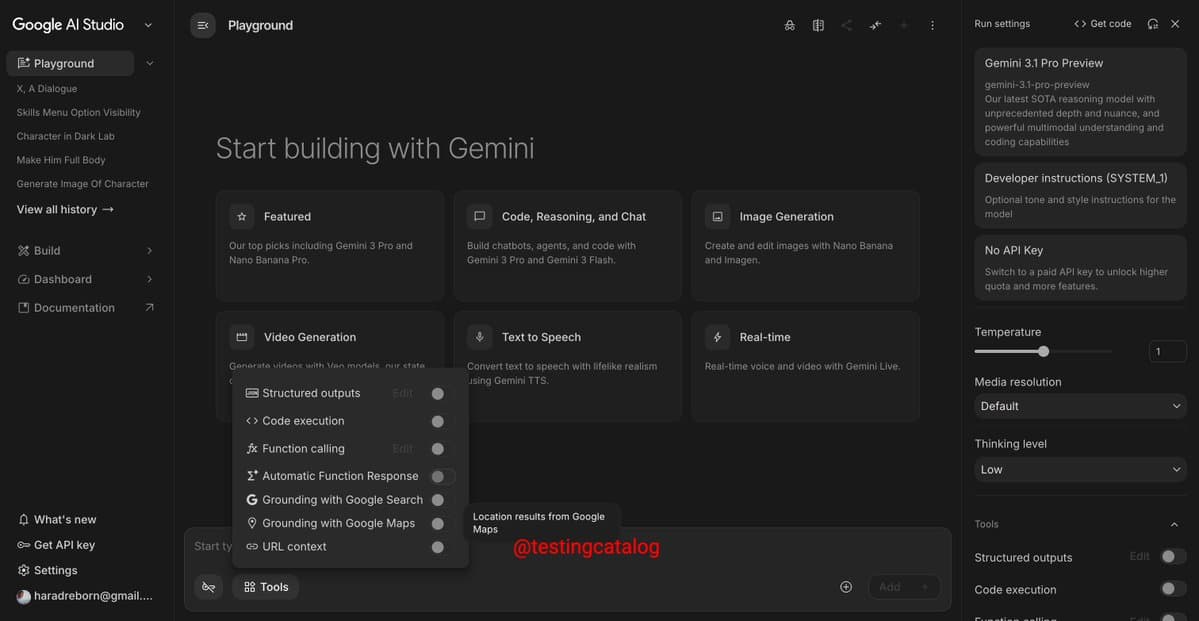
The visible product change is in AI Studio’s Playground UI: a new tool entry called Grounding with Google Maps appears in the same menu as structured outputs, code execution, function calling, and Grounding with Google Search. The tooltip text in the screenshot describes it as returning “location results from Google Maps,” which is the clearest public description so far of what the tool is meant to expose.
That matters because this is not being presented as a brand-new backend capability. In a direct reply, Logan Kilpatrick said Google already has it “in the API” and is “just adding support in the UI as well.” The practical change is discoverability and easier testing inside AI Studio, rather than a net-new API primitive.
For engineers building location-heavy assistants, store finders, travel flows, or map-aware agents, the update points to a cleaner path than stitching together generic search results and separate geocoding logic. Google’s UI description frames the output as Maps-native location results, which implies a more direct grounding source for place lookup inside Gemini workflows.
The supporting thread adds one more signal about where this is headed. TestingCatalog called out the value of “Maps coding” and said the button could matter even more with a mobile app, in the follow-up post, while the screenshot shows Google placing Maps grounding directly in the prototyping surface engineers already use to test prompts and tools. That combination makes this look less like a one-off experiment and more like an effort to make location retrieval a standard part of Gemini app development.
ChatGPT now saves uploaded and generated files into an account-level Library that can be reused across conversations from the web sidebar or recent-files picker. It removes repetitive re-uploading and makes past PDFs, spreadsheets, and images part of a persistent working context.
 release
OpenClaw shipped version 2026.3.22 with ClawHub, OpenShell plus SSH sandboxes, side-question flows, and more search and model options, then followed with a 2026.3.23 patch. Teams get a broader plugin surface, but should patch quickly and review plugin trust boundaries as the ecosystem grows.
 release
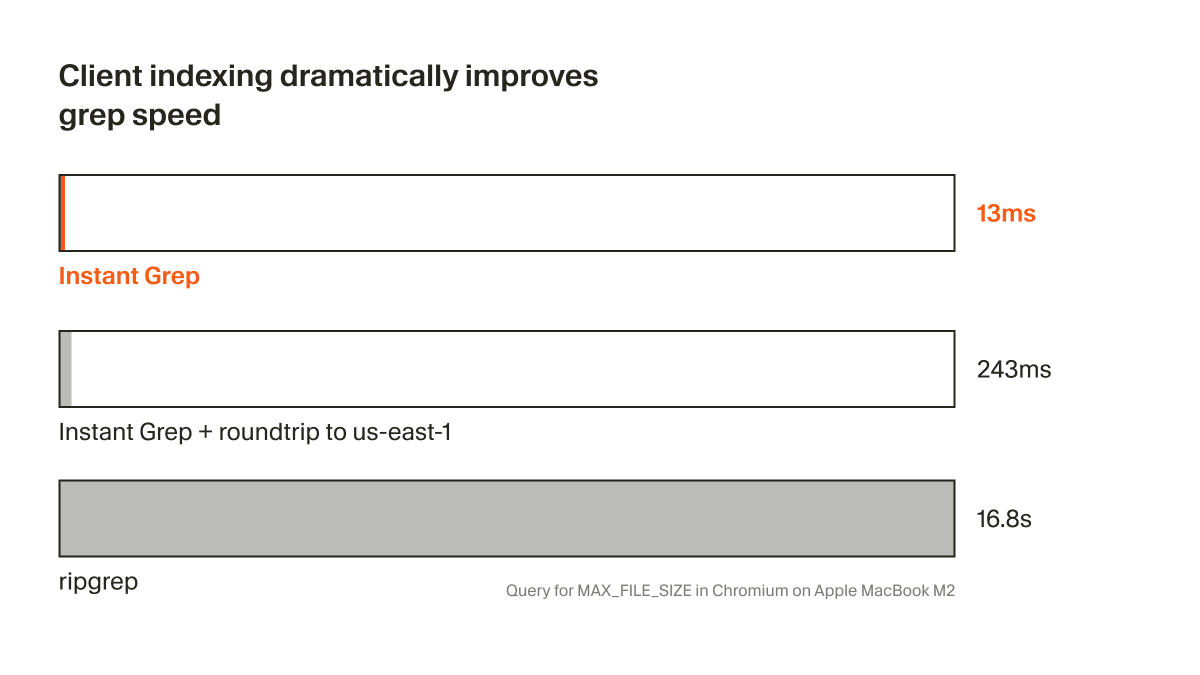
Cursor shipped Instant Grep, a local regex index built from n-grams, inverted indexes, and Bloom filters that drops large-repo searches from seconds to milliseconds. Faster candidate retrieval shortens the coding-agent loop, especially when ripgrep-style scans become the bottleneck.
 breaking
ChatGPT now saves uploaded and generated files into an account-level Library that can be reused across conversations from the web sidebar or recent-files picker. It removes repetitive re-uploading and makes past PDFs, spreadsheets, and images part of a persistent working context.
 breaking
Epoch AI says GPT-5.4 Pro elicited a publishable solution to one 2019 conjecture in its FrontierMath Open Problems set, with a formal writeup planned. Treat it as an early milestone worth reproducing, not blanket evidence that frontier models can already automate math research.
Google is working on a new "Grounding with Google Maps" tool for AI Studio. This option will let Gemini APIs easily access "Location results from Google Maps". Maps coding 👀

already have it in the API, just adding support in the UI as well : )