Hyperbrowser released HyperPlex, an open-source research agent that splits a goal into subtasks, runs browser workers in parallel, and returns cited reports. Teams building deep-research products can study the repo for orchestration, live browsing, and report synthesis patterns.

HyperPlex is an open-source "research agent that works while you're away," in Hyperbrowser's launch thread, built to take a user goal, break the work into browser-driven research steps, and deliver a cited output. The launch video HyperPlex overview shows the system fanning out from a single prompt into multiple browser tasks before compiling a final report.
Hyperbrowser also published the code in the HyperPlex repo, which makes this more relevant to engineers than a typical agent teaser. The implementation sits alongside Hyperbrowser's broader browser API pitch, which frames the company as providing "cloud browsers for AI agents via API" rather than only shipping an end-user app.
The technical pattern is a multi-agent research pipeline. Hyperbrowser says HyperPlex can "let it run with multiple models" and "spawn browser agents in parallel" in the product description, while the practitioner walkthrough adds that it breaks a goal into subtasks, sends sub-agents across Anthropic, OpenAI, and Gemini models, scrapes the web through Hyperbrowser, and returns a cited answer in real time. That cross-model orchestration detail is attributed to the external summary, not the primary launch post.
The practical takeaway is the combination of three pieces engineers usually have to wire together themselves: browser execution, parallel task decomposition, and report synthesis with citations. Hyperbrowser's own supporting thread keeps the scope simple — "Give it a goal. Schedule it" — but the launch materials suggest HyperPlex is meant as a template for deep-research systems that need live-page access and asynchronous completion, not just a chat wrapper.
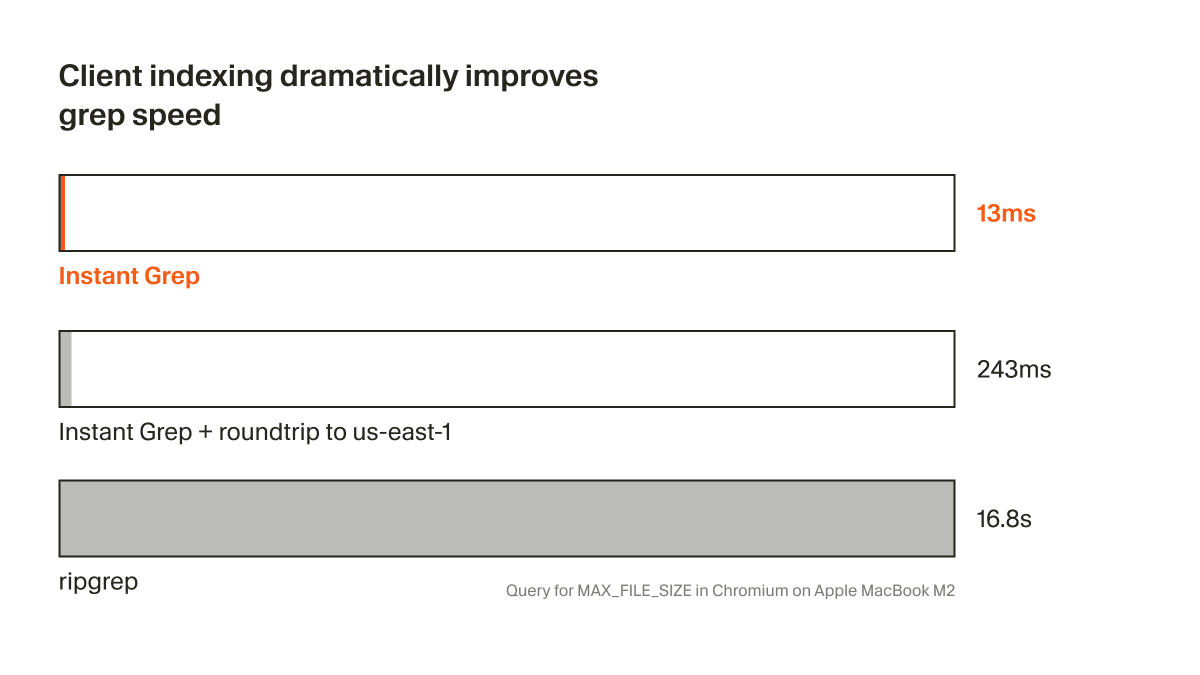
Cursor shipped Instant Grep, a local regex index built from n-grams, inverted indexes, and Bloom filters that drops large-repo searches from seconds to milliseconds. Faster candidate retrieval shortens the coding-agent loop, especially when ripgrep-style scans become the bottleneck.
 release
OpenClaw shipped version 2026.3.22 with ClawHub, OpenShell plus SSH sandboxes, side-question flows, and more search and model options, then followed with a 2026.3.23 patch. Teams get a broader plugin surface, but should patch quickly and review plugin trust boundaries as the ecosystem grows.
 release
Cursor shipped Instant Grep, a local regex index built from n-grams, inverted indexes, and Bloom filters that drops large-repo searches from seconds to milliseconds. Faster candidate retrieval shortens the coding-agent loop, especially when ripgrep-style scans become the bottleneck.
 breaking
ChatGPT now saves uploaded and generated files into an account-level Library that can be reused across conversations from the web sidebar or recent-files picker. It removes repetitive re-uploading and makes past PDFs, spreadsheets, and images part of a persistent working context.
 breaking
Epoch AI says GPT-5.4 Pro elicited a publishable solution to one 2019 conjecture in its FrontierMath Open Problems set, with a formal writeup planned. Treat it as an early milestone worth reproducing, not blanket evidence that frontier models can already automate math research.
Introducing HyperPlex. Research agent that works while you're away. Give it a goal. Schedule it. Let it run with multiple models. Spawns browser agents in parallel. Reads live pages. Delivers a cited report. Check back when you're ready. Open source. Powered by Hyperbrowser.
Cloud browsers for AI Agents via API: hyperbrowser.ai