Hyperbrowser open-sourced HyperSkill, which reads live documentation and emits a structured SKILL.md file or graph an agent can navigate. Try it to replace hand-written tool instructions with generated skill trees you can drop into an agent project.

SKILL.mdHyperSkill is the new artifact here. In the primary launch post, Hyperbrowser says you give it a topic, it "reads the docs and builds a skill tree your agent can navigate," then lets you browse the graph, download it, and "drop [it] into your project." The same thread points to an open-source example repo, which is the clearest signal that this is meant to be used as project material rather than a hosted-only demo.
The interesting implementation detail is the output format: not just scraped notes, but a structured representation of capabilities and sub-capabilities. The demo in skill graph demo shows an interconnected graph view followed by files being written locally, which matches the claim that the result is something an agent can traverse offline inside a codebase or workflow.
Hyperbrowser framed the release alongside HyperPlex, a "research agent that works while you're away," with scheduled, multi-step runs in the announcement thread. That context matters because HyperSkill looks less like a docs viewer and more like precomputed agent memory: a way to convert live web docs into a reusable skill tree before the agent starts acting.
A supporting walkthrough from AlphaSignalAI’s demo makes the workflow more concrete: "any topic or URL as input," a single generated SKILL.md, and a claim that it "works with coding agents and automation workflows." That post also says HyperSkill searches and scrapes docs before using GPT-4o to structure them, but because that detail comes from a third party rather than Hyperbrowser’s own thread, the safer confirmed takeaway is narrower: HyperSkill is an open-source docs-to-skill-tree tool designed to be dropped into agent projects.
Vercel Emulate added a programmatic API for creating, resetting, and closing local GitHub, Vercel, and Google emulators inside automated tests. That makes deterministic integration tests easier to wire into CI and agent loops without manual setup.
 release
OpenClaw shipped version 2026.3.22 with ClawHub, OpenShell plus SSH sandboxes, side-question flows, and more search and model options, then followed with a 2026.3.23 patch. Teams get a broader plugin surface, but should patch quickly and review plugin trust boundaries as the ecosystem grows.
 release
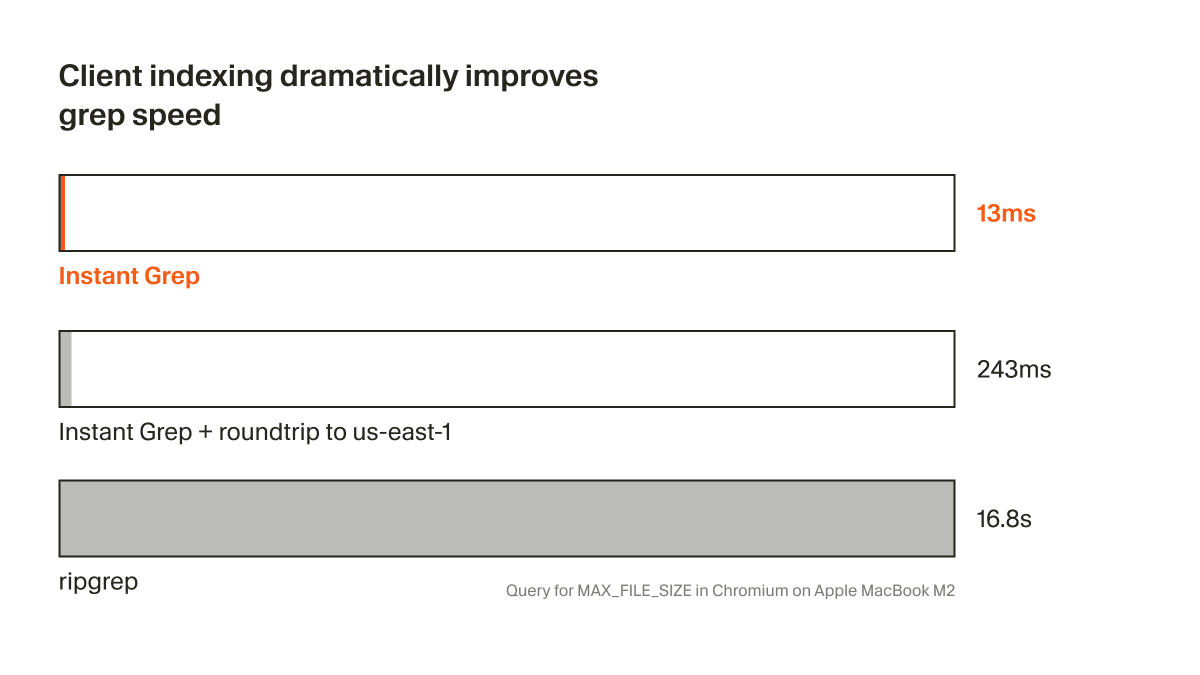
Cursor shipped Instant Grep, a local regex index built from n-grams, inverted indexes, and Bloom filters that drops large-repo searches from seconds to milliseconds. Faster candidate retrieval shortens the coding-agent loop, especially when ripgrep-style scans become the bottleneck.
 breaking
ChatGPT now saves uploaded and generated files into an account-level Library that can be reused across conversations from the web sidebar or recent-files picker. It removes repetitive re-uploading and makes past PDFs, spreadsheets, and images part of a persistent working context.
 breaking
Epoch AI says GPT-5.4 Pro elicited a publishable solution to one 2019 conjecture in its FrontierMath Open Problems set, with a formal writeup planned. Treat it as an early milestone worth reproducing, not blanket evidence that frontier models can already automate math research.
Your AI agents can now learn entire skill trees from the web. Meet the new HyperSkill Give it a topic. It reads the docs and builds a skill tree your agent can navigate.Browse the graph. Download. Drop into your project. Open source. Powered by Hyperbrowser.
Learn more here: hyperbrowser.ai