The LabClaw team open-sourced a 211-skill layer for dry-lab reasoning, literature work, medicine, biology, and lab automation. Use it as a starting skill library for AI scientist systems instead of assembling generic tools from scratch.
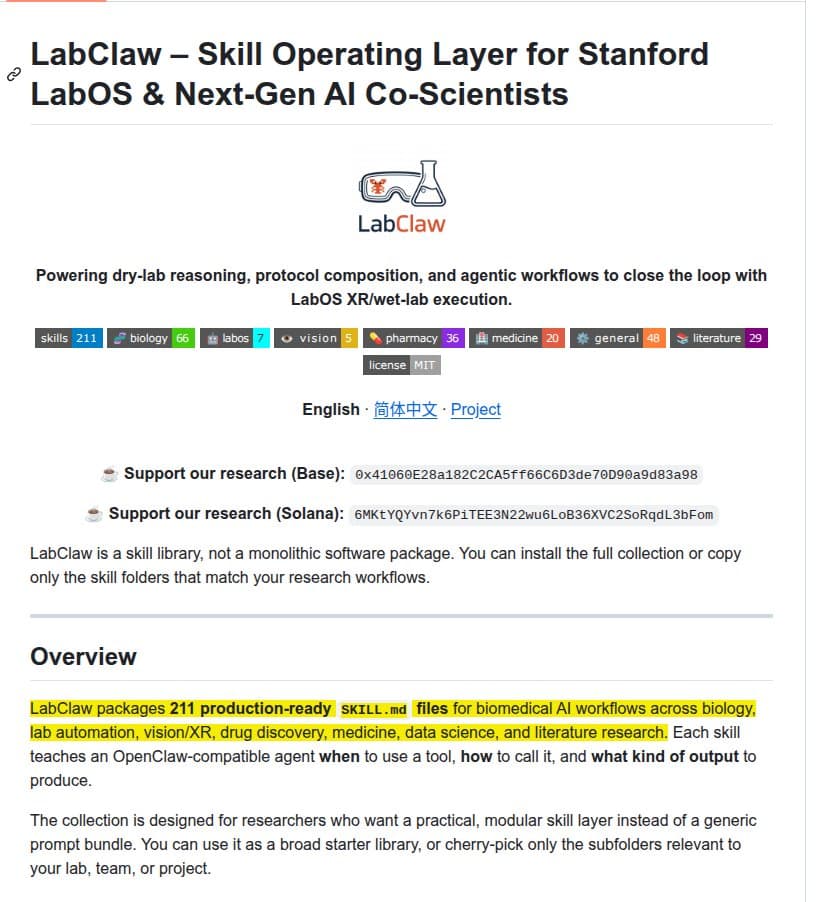
LabClaw is now available as an open-source repository GitHub repo and is positioned by its launch post as the “Skill Operating Layer for LabOS” launch repost. The project is aimed at “dry-lab reasoning, protocol composition, and agentic workflows,” according to the
, which frames it as the layer that connects model reasoning to concrete biomedical actions.
The same
says LabClaw includes 211 “production-ready SKILL.md files” spanning biology, lab automation, vision/XR, drug discovery, medicine, data science, and literature research. The category counts shown there include 66 biology skills, 36 pharmacy, 20 medicine, 29 literature, 5 vision, 7 LabOS, and 48 general skills, with the repo marked MIT-licensed repo screenshot.
The clearest implementation detail in the evidence is the workflow example from the thread: an agent can be told to “find this gene sequence,” “run a fold analysis,” and “write a summary” of related clinical trials, with the skills telling the system “which buttons to push and which APIs to call” repo walkthrough. That makes LabClaw less like a model release and more like an operational tool layer for orchestrating domain-specific actions.
The same thread argues the hard part in AI-for-science is the “last mile” and describes the emerging stack as a reasoning core, a skill library like LabClaw, and an execution layer like LabOS architecture take. That architecture claim is still a practitioner interpretation, not a benchmark, but it gives engineers a concrete starting point for building biomedical agents around a prebuilt skill inventory instead of a generic function-calling scaffold.
Claude can now drive macOS apps, browser tabs, the keyboard, and the mouse from Claude Cowork and Claude Code, with permission prompts when it needs direct screen access. That makes legacy desktop workflows automatable, and Anthropic is pairing the push with more background-task support for longer agent loops.
 release
OpenClaw shipped version 2026.3.22 with ClawHub, OpenShell plus SSH sandboxes, side-question flows, and more search and model options, then followed with a 2026.3.23 patch. Teams get a broader plugin surface, but should patch quickly and review plugin trust boundaries as the ecosystem grows.
 release
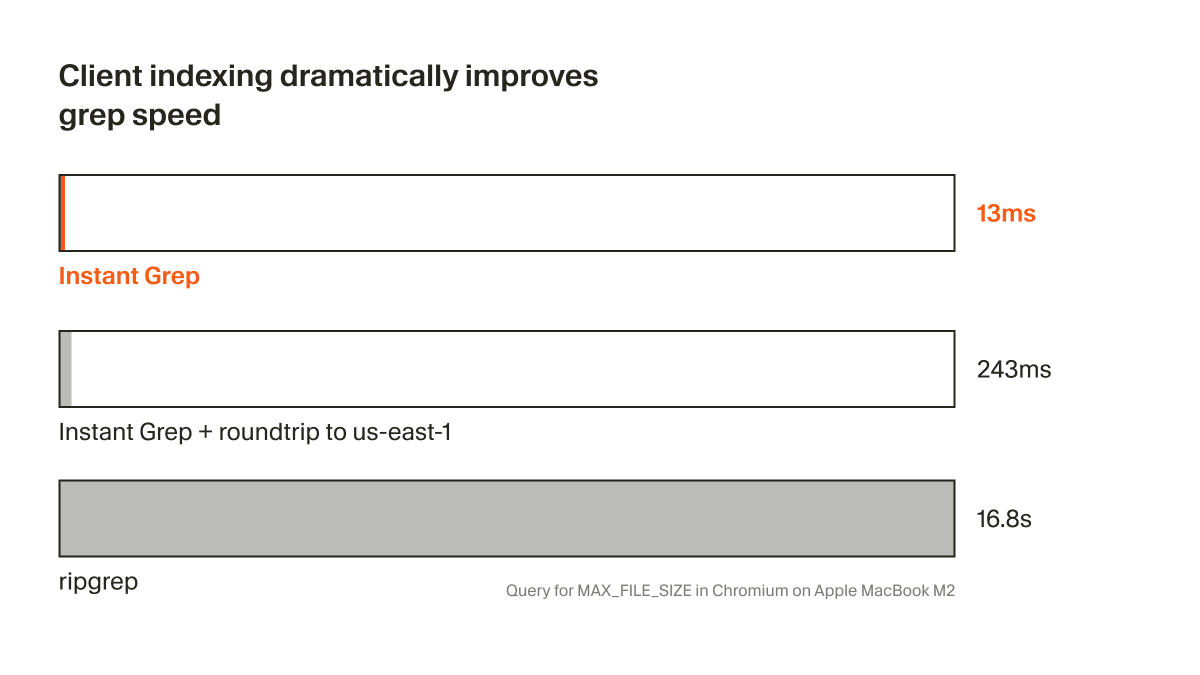
Cursor shipped Instant Grep, a local regex index built from n-grams, inverted indexes, and Bloom filters that drops large-repo searches from seconds to milliseconds. Faster candidate retrieval shortens the coding-agent loop, especially when ripgrep-style scans become the bottleneck.
 breaking
ChatGPT now saves uploaded and generated files into an account-level Library that can be reused across conversations from the web sidebar or recent-files picker. It removes repetitive re-uploading and makes past PDFs, spreadsheets, and images part of a persistent working context.
 breaking
Epoch AI says GPT-5.4 Pro elicited a publishable solution to one 2019 conjecture in its FrontierMath Open Problems set, with a formal writeup planned. Treat it as an early milestone worth reproducing, not blanket evidence that frontier models can already automate math research.
We’re thrilled to open-source LabClaw — the Skill Operating Layer for LabOS by Stanford-Princeton Team One command turns any OpenClaw agent into a full AI Co-Scientist. Demo: labclaw-ai.github.io Dragon Shrimp Army reporting for duty 🦞🔬 #AIforScience #OpenClaw
The hardest part of AI in science is the "last mile" This brilliant open source GitHub repository from Stanford and Princeton researchers is giving you a way to automate the boring parts of science. With it, you can basically tell an AI agent: "Go find this gene sequence in Show more


We’re thrilled to open-source LabClaw — the Skill Operating Layer for LabOS by Stanford-Princeton Team One command turns any OpenClaw agent into a full AI Co-Scientist. Demo: labclaw-ai.github.io Dragon Shrimp Army reporting for duty 🦞🔬 #AIforScience #OpenClaw


