Artificial Analysis published results for NVIDIA's Nemotron 3 VoiceChat, putting the 12B model at the open-weight pareto frontier across conversational dynamics and speech reasoning. Consider it for open voice agents, but compare against proprietary systems that still lead the category by a wide margin.
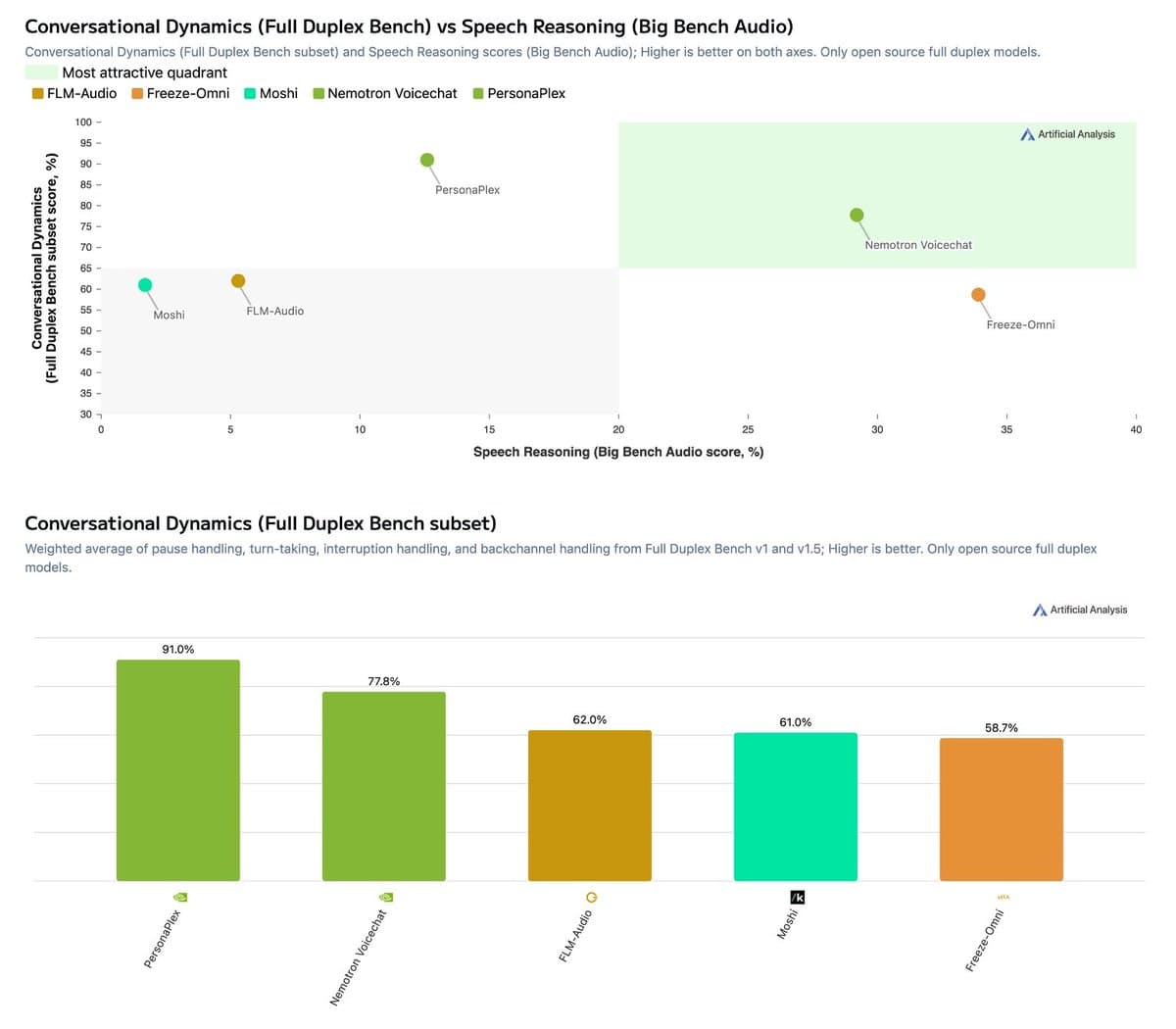
Artificial Analysis frames Nemotron 3 VoiceChat as a full-duplex speech-to-speech model tuned for both "raw intelligence" and the "natural rhythms of human conversation" like turn-taking and interruptions benchmark thread. In its open-weight comparison set, that makes the model unusual: PersonaPlex leads conversational dynamics at 91.0%, and Freeze-Omni leads speech reasoning at 33.9%, but Nemotron lands second on both at 77.8% and 29.2% respectively benchmark thread.
That matters for engineers evaluating open voice agents, because the tradeoff is usually stark. The [img:0|benchmark chart] shows Nemotron in the "most attractive quadrant" between responsiveness and reasoning, while Artificial Analysis notes it is also larger than most open speech-to-speech peers at roughly 12B parameters. NVIDIA also has an early access page and a live conversation demo linked from the analysis post.
Artificial Analysis is explicit that this is an open-model advance, not category leadership. Its comparison post says proprietary systems are still far ahead on Big Bench Audio, citing Step-Audio R1.1 at 96%, Grok Voice Agent at 92%, Gemini 2.5 Flash (Thinking) at 92%, and Nova 2.0 Sonic at 87%.
The practical read is that Nemotron improves the open-weight option set more than it resets the voice stack leaderboard. Even the NVIDIA keynote photo circulating from the event shows Nemotron VoiceChat as one benchmark tile inside a broader model lineup, which fits the current state of the market: open duplex voice is getting more credible, but proprietary systems still define the top end on reasoning quality and conversational polish.
LLM Debate Benchmark ran 1,162 side-swapped debates across 21 models and ranked Sonnet 4.6 first, ahead of GPT-5.4 high. It adds a stronger adversarial eval pattern for judge or debate systems, but you should still inspect content-block rates and judge selection when reading the leaderboard.
 release
OpenClaw shipped version 2026.3.22 with ClawHub, OpenShell plus SSH sandboxes, side-question flows, and more search and model options, then followed with a 2026.3.23 patch. Teams get a broader plugin surface, but should patch quickly and review plugin trust boundaries as the ecosystem grows.
 release
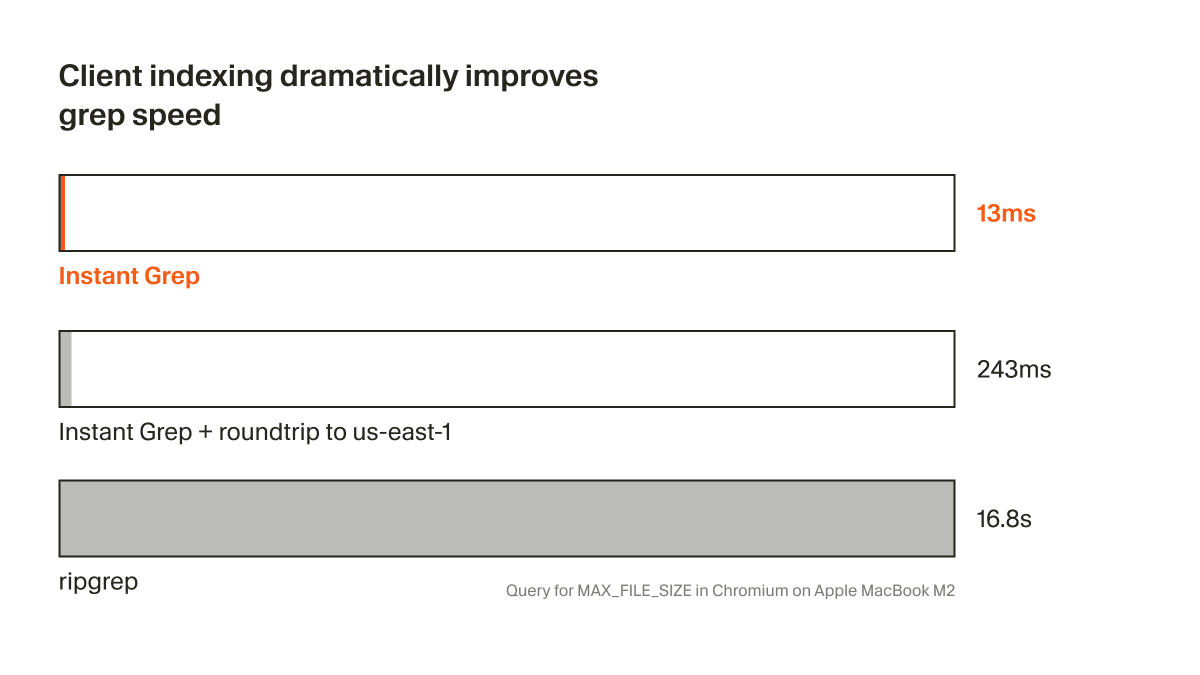
Cursor shipped Instant Grep, a local regex index built from n-grams, inverted indexes, and Bloom filters that drops large-repo searches from seconds to milliseconds. Faster candidate retrieval shortens the coding-agent loop, especially when ripgrep-style scans become the bottleneck.
 breaking
ChatGPT now saves uploaded and generated files into an account-level Library that can be reused across conversations from the web sidebar or recent-files picker. It removes repetitive re-uploading and makes past PDFs, spreadsheets, and images part of a persistent working context.
 breaking
Epoch AI says GPT-5.4 Pro elicited a publishable solution to one 2019 conjecture in its FrontierMath Open Problems set, with a formal writeup planned. Treat it as an early milestone worth reproducing, not blanket evidence that frontier models can already automate math research.
NVIDIA has released Nemotron 3 VoiceChat! A ~12B parameter Speech to Speech model that leads our open weights Conversational Dynamics vs. Speech Reasoning pareto frontier Understanding Speech to Speech model performance is multidimensional - two key and distinct dimensions areShow more

Open weights speech to speech models still significantly underperform leading proprietary offerings. For comparison, proprietary models on our Big Bench Audio benchmark score substantially higher - Step-Audio R1.1 at 96%, Grok Voice Agent at 92%, Gemini 2.5 Flash (Thinking) at Show more