Next.js 16.2 adds version-matched AGENTS.md docs, a terminal browser for inspecting running apps, browser-error forwarding, and a dev-server lock file. It gives coding agents better frontend context and cuts duplicate-server and client-side debugging waste.
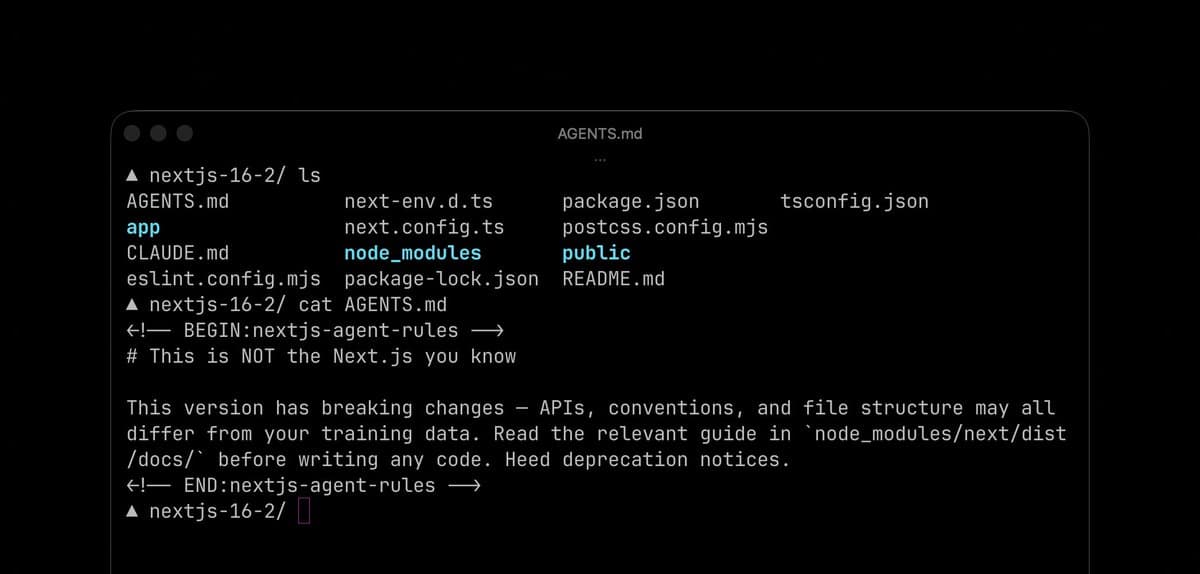
AGENTS.md in create-next-app, browser-error forwarding, and a dev-server lock file, according to the 16.2 thread.AGENTS.md points coding agents at version-matched docs bundled in node_modules, and Next.js says that setup reached a “100% eval pass rate” versus 79% for “skill-based approaches” the AGENTS.md post.next devThe headline feature is @vercel/next-browser, which gives agents terminal access to a running Next.js app instead of forcing them to guess from source alone. In the product demo, the framework team says agents can inspect “component trees, PPR shells, screenshots, network requests,” which is a meaningful jump in frontend context for coding agents that usually operate blind.
Next.js paired that with a default AGENTS.md in create-next-app. As the AGENTS.md announcement describes it, the file points agents to version-matched framework docs bundled in node_modules, so the model sees the exact docs for the app's installed version rather than generic or stale guidance. The same post claims this setup hit “100% eval pass rate” versus 79% for “skill-based approaches,” a concrete delta even if Next.js did not publish the eval details in the thread. The fuller release write-up is linked in the 16.2 blog post.
Next.js 16.2 also removes two common failure modes in agent-driven local development. First, the browser-error update says all browser errors now get forwarded to the terminal during development, so agents and human developers can catch client-side failures without bouncing into the browser console.
Second, the lock-file update says next dev now writes a lock file containing the server's PID, port, and URL. When a second server starts, the process has enough information to identify and resolve the conflict “in one shot,” which should cut a familiar class of duplicate-server confusion in local workflows. Vercel CEO Guillermo Rauch framed the broader goal in his launch reaction as making Next.js “an agent-native framework,” with agents finding frontend optimizations that engineers had missed.
Claude can now drive macOS apps, browser tabs, the keyboard, and the mouse from Claude Cowork and Claude Code, with permission prompts when it needs direct screen access. That makes legacy desktop workflows automatable, and Anthropic is pairing the push with more background-task support for longer agent loops.
 release
OpenClaw shipped version 2026.3.22 with ClawHub, OpenShell plus SSH sandboxes, side-question flows, and more search and model options, then followed with a 2026.3.23 patch. Teams get a broader plugin surface, but should patch quickly and review plugin trust boundaries as the ecosystem grows.
 release
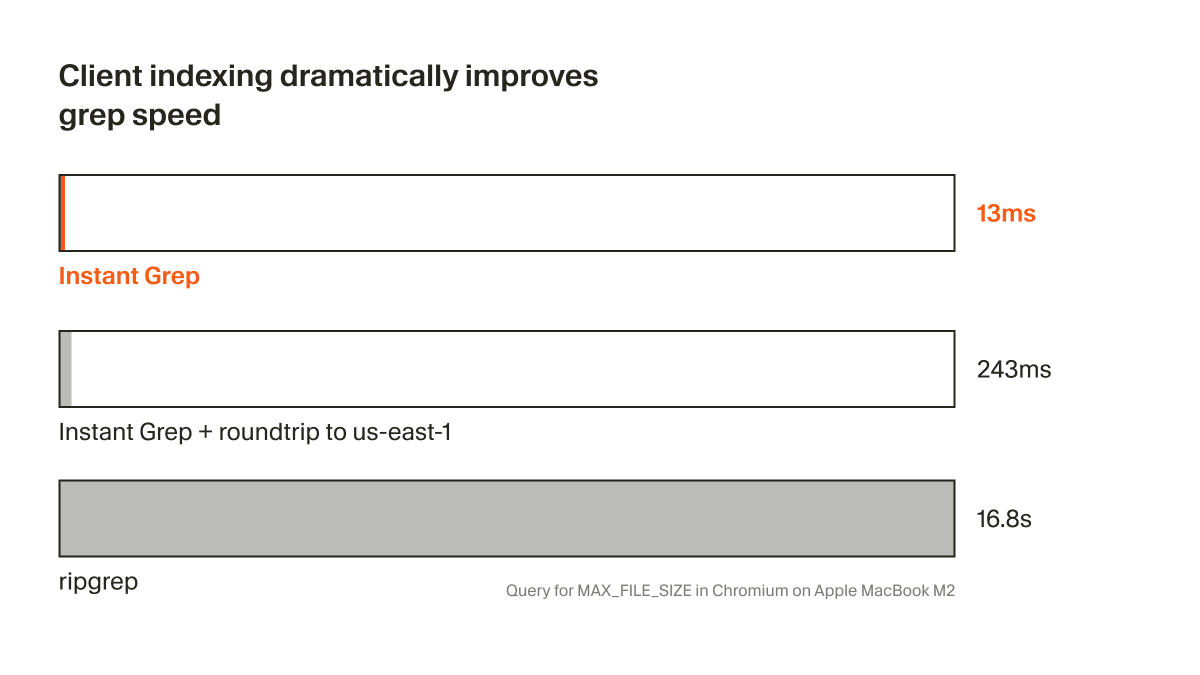
Cursor shipped Instant Grep, a local regex index built from n-grams, inverted indexes, and Bloom filters that drops large-repo searches from seconds to milliseconds. Faster candidate retrieval shortens the coding-agent loop, especially when ripgrep-style scans become the bottleneck.
 breaking
ChatGPT now saves uploaded and generated files into an account-level Library that can be reused across conversations from the web sidebar or recent-files picker. It removes repetitive re-uploading and makes past PDFs, spreadsheets, and images part of a persistent working context.
 breaking
Epoch AI says GPT-5.4 Pro elicited a publishable solution to one 2019 conjecture in its FrontierMath Open Problems set, with a formal writeup planned. Treat it as an early milestone worth reproducing, not blanket evidence that frontier models can already automate math research.
𝚗𝚎𝚡𝚝 𝚍𝚎𝚟 now writes a lock file with the server's PID, port, and URL. When a second server tries to start, the agent gets everything it needs to resolve the conflict in one shot.

@𝚟𝚎𝚛𝚌𝚎𝚕/𝚗𝚎𝚡𝚝-𝚋𝚛𝚘𝚠𝚜𝚎𝚛 lets agents inspect a running Next.js app from the terminal. Component trees, PPR shells, screenshots, network requests. Agents can lower Suspense allowing more cached content to be included in the static prerender.
Next.js 16.2: AI Improvements • Next.js-aware browser lets Agents improve your app • 𝙰𝙶𝙴𝙽𝚃𝚂.𝚖𝚍 included in 𝚌𝚛𝚎𝚊𝚝𝚎-𝚗𝚎𝚡𝚝-𝚊𝚙𝚙 by default • Browser errors forwarded to terminal • Dev server lock file prevents duplicate servers nextjs.org/blog/next-16-2…
Next.js now forwards all browser errors to the terminal during development, making it easy for agents to fix client-side bugs.


