supermemory launched a CLI that exposes platform actions directly to agents and added scoped agent access with tag-level permissions plus audit logs. Use it to wire memory into agent loops without granting a full account.
npx supermemory entry point rather than a longer local install path.supermemory add and supermemory searchThe core launch is a command-line interface aimed at agent use, not just human operators. In the main announcement, supermemory argues “CLIs can be more powerful” than MCP for some workflows and says “every single thing” on the platform can be done by agents through the CLI. The demo post also highlights the npx supermemory entry point and includes a short product walkthrough CLI demo.
That matters because the product framing is narrower than a generic developer CLI. In the workflow thread, supermemory says an agent can “fully set up supermemory” and then call supermemory add and supermemory search directly, positioning the tool as a memory layer inside agent loops rather than a separate admin surface.
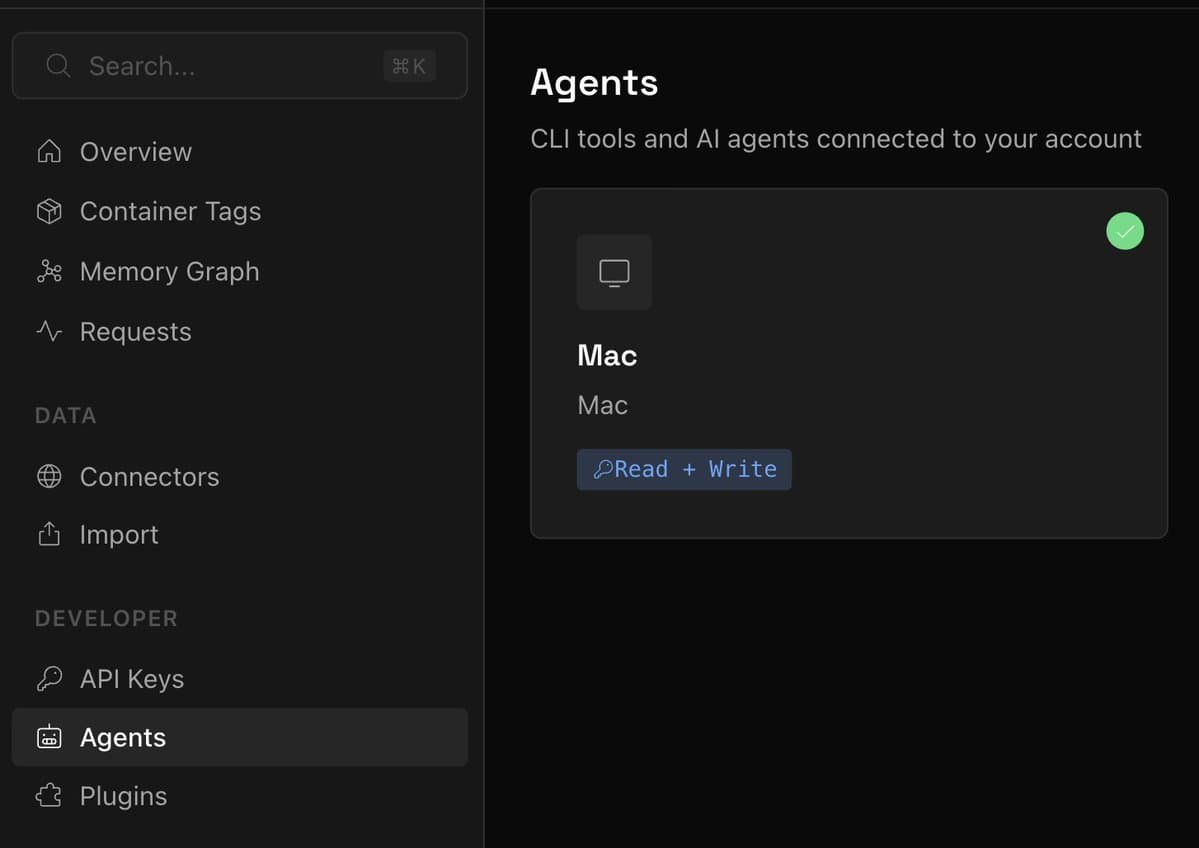
The more consequential implementation detail is the new agent-specific permission model. According to the scoping update, the release adds an “Agents” page plus “deeper scoping” for the API, letting developers give agents scoped access to a supermemory account with permissions limited to certain tags and to read/write operations.
supermemory also says those agent actions are fully audit-logged in the same update, which gives teams a way to let agents write memory without handing over unrestricted account access. The supporting UI screenshot in the agents screenshot shows agents listed as connected account entities with an explicit “Read + Write” status, reinforcing that agents are now treated as distinct principals inside the product rather than opaque API consumers.
Vercel Emulate added a programmatic API for creating, resetting, and closing local GitHub, Vercel, and Google emulators inside automated tests. That makes deterministic integration tests easier to wire into CI and agent loops without manual setup.
 release
OpenClaw shipped version 2026.3.22 with ClawHub, OpenShell plus SSH sandboxes, side-question flows, and more search and model options, then followed with a 2026.3.23 patch. Teams get a broader plugin surface, but should patch quickly and review plugin trust boundaries as the ecosystem grows.
 release
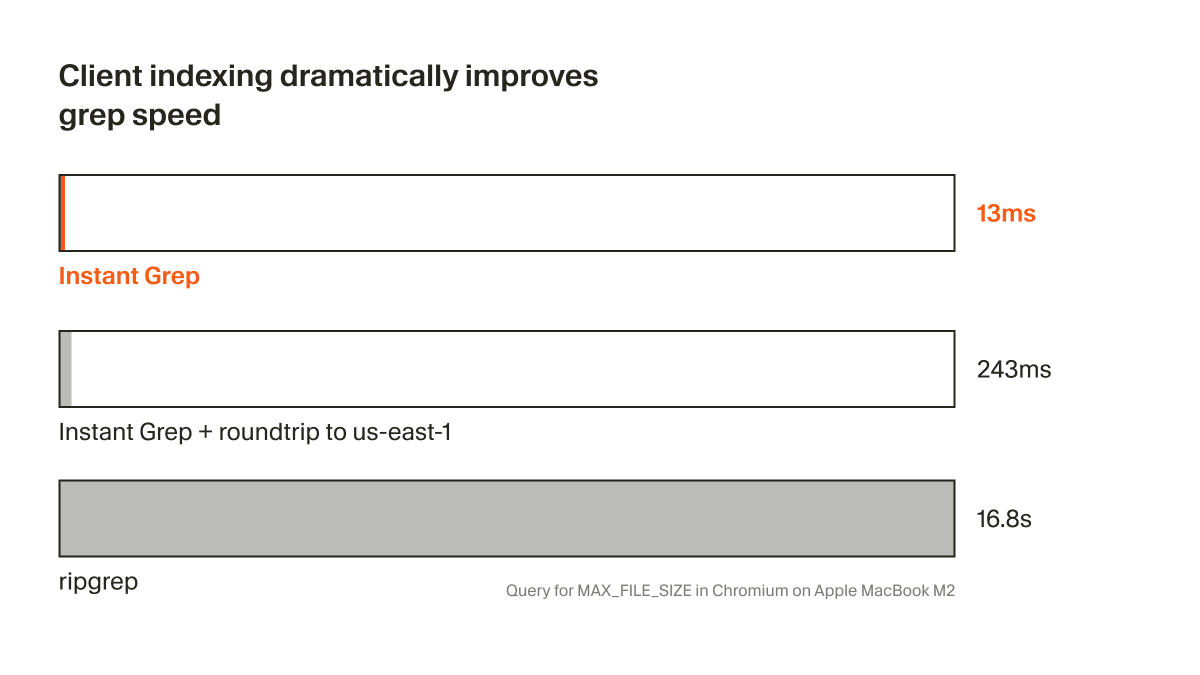
Cursor shipped Instant Grep, a local regex index built from n-grams, inverted indexes, and Bloom filters that drops large-repo searches from seconds to milliseconds. Faster candidate retrieval shortens the coding-agent loop, especially when ripgrep-style scans become the bottleneck.
 breaking
ChatGPT now saves uploaded and generated files into an account-level Library that can be reused across conversations from the web sidebar or recent-files picker. It removes repetitive re-uploading and makes past PDFs, spreadsheets, and images part of a persistent working context.
 breaking
Epoch AI says GPT-5.4 Pro elicited a publishable solution to one 2019 conjecture in its FrontierMath Open Problems set, with a formal writeup planned. Treat it as an early milestone worth reproducing, not blanket evidence that frontier models can already automate math research.
Introducing the supermemory CLI. MCP isn't dead - but CLIs can be more powerful. So we built the most advanced CLI for agents. EVERY single thing you can do on the supermemory platform can be done by Agents. just prompt them. They are first class users. > npx supermemory
This also introduces our "Agents" page as well as deeper scoping for our API, which allows you to give scoped access to your supermemory account, for agents. They can have scoped permissions to certain tags, read/write access, and have full audits logged of all work they do