Vercel Labs published a stateful service emulator for GitHub, Vercel, and Google integrations instead of relying on brittle mocks. It is useful when agents or CI need deterministic auth and third-party API flows in local or sandboxed runs.

emulate, a local service emulator for GitHub, Vercel, and Google that aims to replace brittle mocks with "stateful" API behavior for integration testing Emulate launch.Vercel Labs is positioning emulate as a production-fidelity alternative to mocks for third-party integrations. In the launch post, ctatedev describes it as a service emulator that makes external integrations "easy to test, stable to run, and predictable" for agents, CI, or any workflow where determinism matters Emulate launch.
The initial service set is GitHub, Vercel, and Google Service list. According to the linked GitHub repo, the tool can run multiple services locally, expose service-specific configs, and load seed data from YAML or JSON. The repo summary says developers can start everything with npx emulate, target specific services, customize ports, and use a programmatic API in test runners such as Vitest and Jest Repo summary.
The most concrete demo is Google auth. Vercel's post shows "Sign in with Google" working "without actually signing into Google," which is a practical fix for one of the hardest parts of end-to-end testing: reproducing third-party login and OAuth behavior without flaky network dependencies Google auth demo.
That matters more as agent tooling starts depending on installable skills and external services. Jerry Liu's LlamaParse skill post shows the same one-line skills pattern being used to give agents access to document parsing for "dense tables, unlabeled charts, messy handwriting and more." Put together, the pattern is clear: if agents are going to call real-world tools, developers also need local, predictable stand-ins for auth and API flows during development and CI Emulate launch LlamaParse skill.
Vercel Emulate added a programmatic API for creating, resetting, and closing local GitHub, Vercel, and Google emulators inside automated tests. That makes deterministic integration tests easier to wire into CI and agent loops without manual setup.
 release
OpenClaw shipped version 2026.3.22 with ClawHub, OpenShell plus SSH sandboxes, side-question flows, and more search and model options, then followed with a 2026.3.23 patch. Teams get a broader plugin surface, but should patch quickly and review plugin trust boundaries as the ecosystem grows.
 release
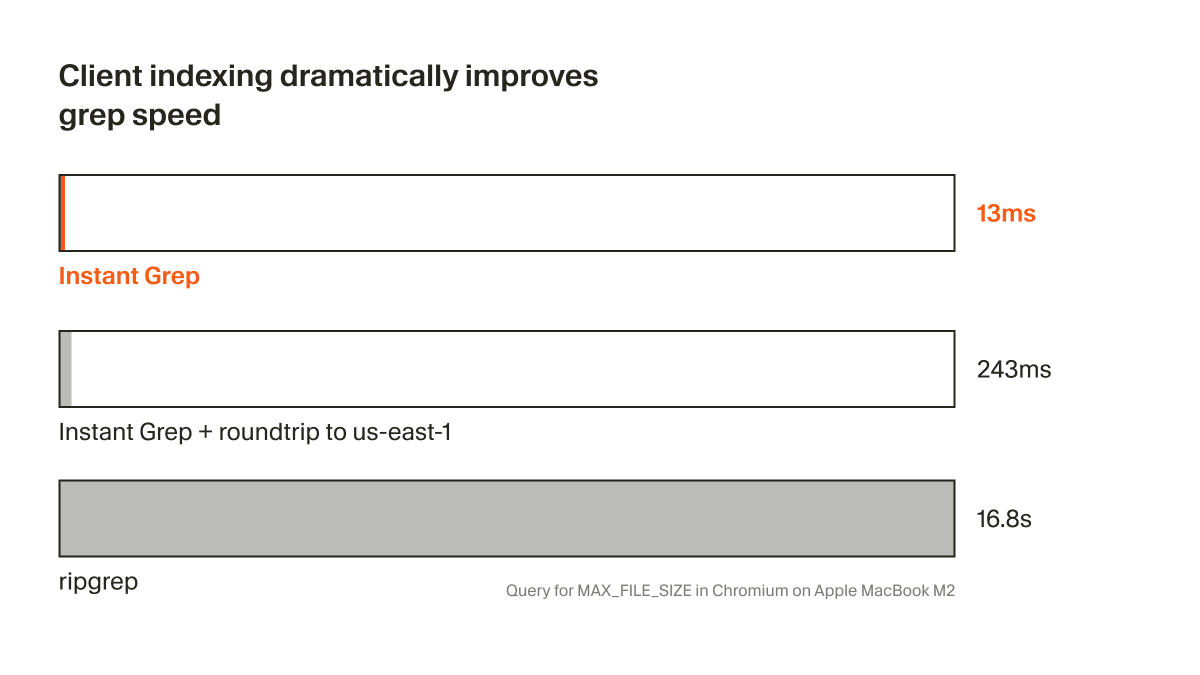
Cursor shipped Instant Grep, a local regex index built from n-grams, inverted indexes, and Bloom filters that drops large-repo searches from seconds to milliseconds. Faster candidate retrieval shortens the coding-agent loop, especially when ripgrep-style scans become the bottleneck.
 breaking
ChatGPT now saves uploaded and generated files into an account-level Library that can be reused across conversations from the web sidebar or recent-files picker. It removes repetitive re-uploading and makes past PDFs, spreadsheets, and images part of a persistent working context.
 breaking
Epoch AI says GPT-5.4 Pro elicited a publishable solution to one 2019 conjecture in its FrontierMath Open Problems set, with a formal writeup planned. Treat it as an early milestone worth reproducing, not blanket evidence that frontier models can already automate math research.

LlamaParse now has an official Agent Skill you can use across 40+ agents. With built-in instructions for parsing complex documents, including different formats, tables, charts, and images, your agents gain access to deeper document understanding, not just raw text extraction.