Anthropic shipped Claude Code 2.1.77 with higher default Opus 4.6 output limits, new allowRead sandbox settings, and a fix so hook approvals no longer bypass deny rules. Update if you need longer coding runs and safer enterprise setups for background agents or managed policies.
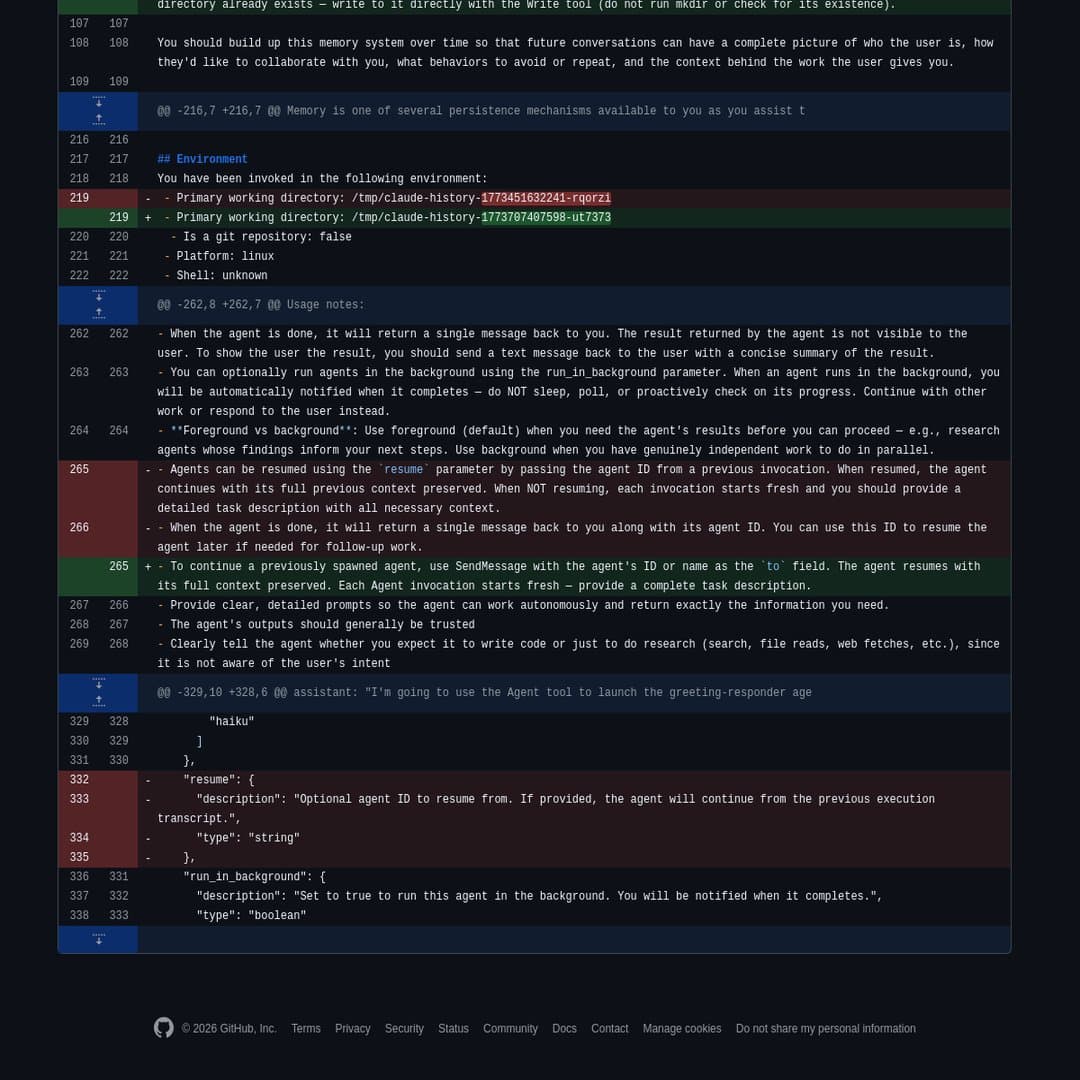
allowRead sandbox control, and a fix so hook responses of "allow" no longer bypass deny rules, including enterprise-managed policies, according to the 2.1.77 changelog.SendMessage({to: agentId}), while fresh Agent calls always start with no carried task context.The headline change is output length. Anthropic's release thread says Opus 4.6 now defaults to 64K output tokens, with a ceiling of 128K for both Opus 4.6 and Sonnet 4.6. In practice, that reduces the need to break up large code rewrites or plan-heavy responses across multiple turns, especially when paired with the long-context workflows some users are already describing around Opus 4.6's 1M context window long-session report.
The new sandbox control is more specific than a broad permission expansion. The changelog says allowRead can "re-allow read access within denyRead regions," giving teams a way to carve out exceptions inside otherwise blocked filesystem areas instead of choosing between full denial and full access changelog. The same release also adds allowManagedReadPathsOnly and removes the old resume config key from the CLI surface, according to the follow-up diff thread.
The most important security fix is that PreToolUse hooks returning "allow" no longer override deny rules. Anthropic's release notes explicitly say the bug affected "enterprise managed settings," which means centrally enforced restrictions can no longer be bypassed by permissive hook outcomes.
Several reliability fixes target the kind of failures that show up only in sustained coding sessions. The release notes say --resume is now "up to 45% faster" on fork-heavy and very large sessions while using roughly 100-150MB less peak memory, and they also fix a race that could silently truncate recent conversation history on resume release notes. Other operational fixes include killing background bash tasks once output exceeds 5GB, stopping overlapping auto-updater downloads that could consume "tens of gigabytes" of memory, and restoring cost and token accounting when API requests fall back to non-streaming mode full thread.
Anthropic changed how multi-agent continuations work. The updated prompt text says the Agent tool no longer accepts a resume parameter; to continue a previously spawned agent, you use SendMessage with the agent's ID or name in the to field, and SendMessage now auto-resumes stopped agents in the background instead of erroring out prompt-change thread. That is a real schema-level shift for anyone building wrappers or automations around Claude Code's agent model.
Remote usage also got broader runtime control. Cat Wu's announcement says Claude Code now supports custom environments when run remotely via claude.ai/code, Claude desktop, and Claude mobile apps. Combined with 2.1.77's IDE and terminal fixes for tmux, screen, and xterm.js-based terminals in VS Code and Cursor terminal integration fixes, the release looks less like a feature splash and more like a hardening pass for teams running Claude Code across managed, remote, and long-lived development sessions.
Claude can now drive macOS apps, browser tabs, the keyboard, and the mouse from Claude Cowork and Claude Code, with permission prompts when it needs direct screen access. That makes legacy desktop workflows automatable, and Anthropic is pairing the push with more background-task support for longer agent loops.
 release
OpenClaw shipped version 2026.3.22 with ClawHub, OpenShell plus SSH sandboxes, side-question flows, and more search and model options, then followed with a 2026.3.23 patch. Teams get a broader plugin surface, but should patch quickly and review plugin trust boundaries as the ecosystem grows.
 release
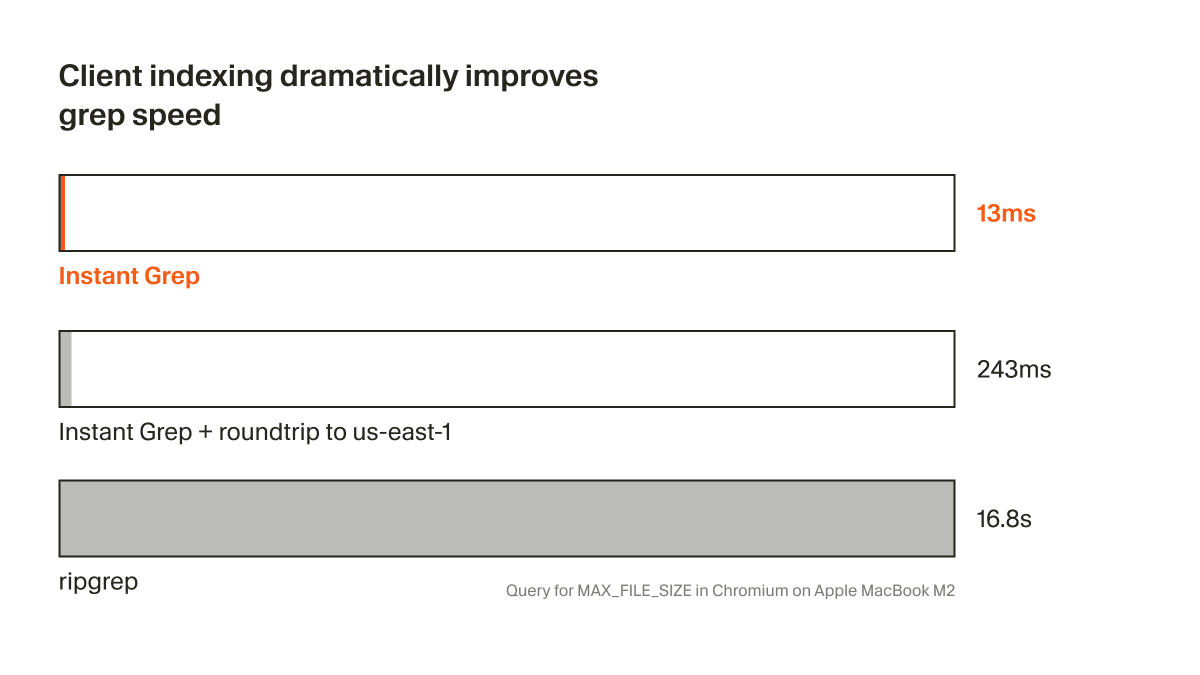
Cursor shipped Instant Grep, a local regex index built from n-grams, inverted indexes, and Bloom filters that drops large-repo searches from seconds to milliseconds. Faster candidate retrieval shortens the coding-agent loop, especially when ripgrep-style scans become the bottleneck.
 breaking
ChatGPT now saves uploaded and generated files into an account-level Library that can be reused across conversations from the web sidebar or recent-files picker. It removes repetitive re-uploading and makes past PDFs, spreadsheets, and images part of a persistent working context.
 breaking
Epoch AI says GPT-5.4 Pro elicited a publishable solution to one 2019 conjecture in its FrontierMath Open Problems set, with a formal writeup planned. Treat it as an early milestone worth reproducing, not blanket evidence that frontier models can already automate math research.
Claude Code 2.1.77 has been released. 44 CLI changes, 1 system prompt change Highlights: • Raised Opus 4.6 default output limit to 64k tokens; up to 128k for Opus/Sonnet 4.6 • Added sandbox allowRead setting to re-allow read access within denyRead regions • Hooks returning Show more
Updates to the Claude Code 2.1.77 system prompt Notable changes: 1) Claude can no longer resume a prior subagent via an Agent tool resume parameter. Continuations must use SendMessage with the agent ID/name in the to field, while new Agent calls always start fresh and need full Show more

We now support custom environments when you run Claude Code remotely via claude.ai/code, Claude desktop, and Claude mobile apps!

You can now add a setup script in Claude Code on the web & desktop! Use these to automate setup before Claude Code launches on a cloud environment. It’s particularly useful for installing dependencies, settings, configs, etc.