Cognition now lets Devin turn a one-off task into a recurring workflow on a schedule. It pushes Devin further from ad hoc sessions toward unattended maintenance jobs, which is useful for teams already trusting it with repetitive repo work.

Cognition’s launch post frames the feature simply: “run any task once,” then tell Devin to make it recurring. The examples are practical engineering chores rather than greenfield coding: feature flag cleanup, release note generation, and QA runs.
The linked product page adds the missing implementation detail. Users describe the task once, set a cadence such as weekly or every Monday morning, and Devin handles repeat execution and follow-up. Cognition also says scheduled Devins can maintain state between runs, which matters for jobs that build up over time, like summarizing newly merged pull requests or checking for stale flags that were not present last week product page.
The bigger change is operational. Scheduled tasks make Devin less like a chat session and more like background automation for repo and team hygiene. Cognition’s product page also ties the feature to Managed Devins, which run parallel agents in isolated environments, suggesting recurring jobs can fan out into multi-step workflows such as QA sweeps and report generation.
Scott Wu’s usage split gives a snapshot of the transition: this week, he said 70% of Devins were still started by humans through the web app, Slack, or Linear, while 30% were started automatically through the API and managed or scheduled Devins. His examples of where this goes next are concrete: agents kicking off on Sentry or Datadog alerts, continuously running integration tests, and acting as “first-line incident-response.” The launch does not prove Devin can handle all of that yet, but it does add the scheduling primitive needed for unattended maintenance work.
Claude can now drive macOS apps, browser tabs, the keyboard, and the mouse from Claude Cowork and Claude Code, with permission prompts when it needs direct screen access. That makes legacy desktop workflows automatable, and Anthropic is pairing the push with more background-task support for longer agent loops.
 release
OpenClaw shipped version 2026.3.22 with ClawHub, OpenShell plus SSH sandboxes, side-question flows, and more search and model options, then followed with a 2026.3.23 patch. Teams get a broader plugin surface, but should patch quickly and review plugin trust boundaries as the ecosystem grows.
 release
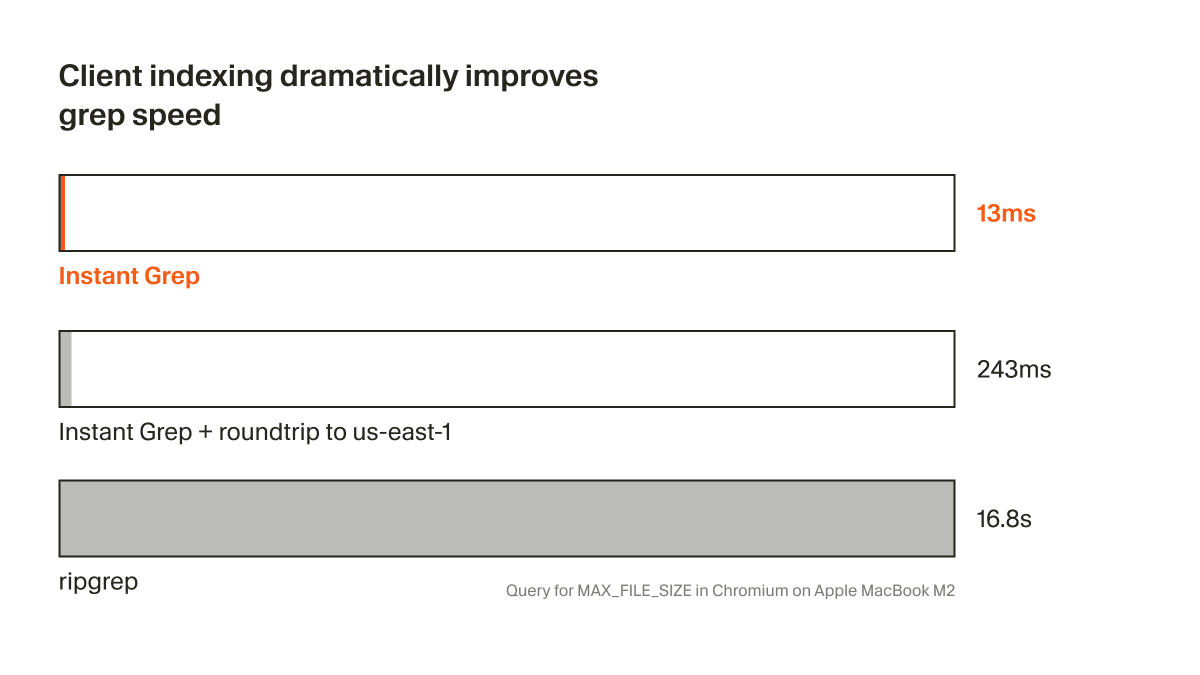
Cursor shipped Instant Grep, a local regex index built from n-grams, inverted indexes, and Bloom filters that drops large-repo searches from seconds to milliseconds. Faster candidate retrieval shortens the coding-agent loop, especially when ripgrep-style scans become the bottleneck.
 breaking
ChatGPT now saves uploaded and generated files into an account-level Library that can be reused across conversations from the web sidebar or recent-files picker. It removes repetitive re-uploading and makes past PDFs, spreadsheets, and images part of a persistent working context.
 breaking
Epoch AI says GPT-5.4 Pro elicited a publishable solution to one 2019 conjecture in its FrontierMath Open Problems set, with a formal writeup planned. Treat it as an early milestone worth reproducing, not blanket evidence that frontier models can already automate math research.
This week 70% of all Devins were started by humans (webapp, slack, linear) and 30% were started automatically (API, and now scheduled + managed Devins) In a few months that probably flips to 30/70 the other way and within a year it'll be 10/90. What does it look like to run aShow more
Devin can now schedule itself. Run any task once, like feature flag cleanup, release notes, or QA. Then tell Devin to make it recurring, so that one good session becomes an automated workflow. Available now for all users.

Devin can now schedule itself. Run any task once, like feature flag cleanup, release notes, or QA. Then tell Devin to make it recurring, so that one good session becomes an automated workflow. Available now for all users.