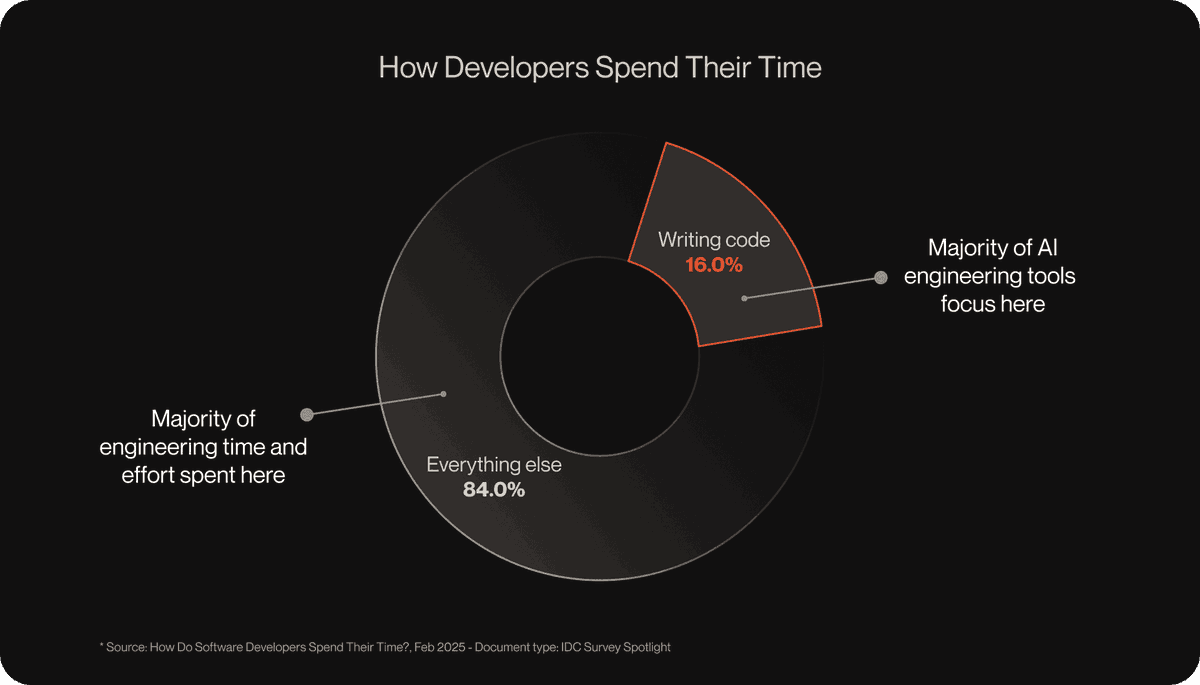
InsForge 2.0 aims to automate backend bring-up for coding agents and remove the scaffolding step after code generation. Try it if your agent workflows stall on database, API, or infrastructure setup instead of application code.
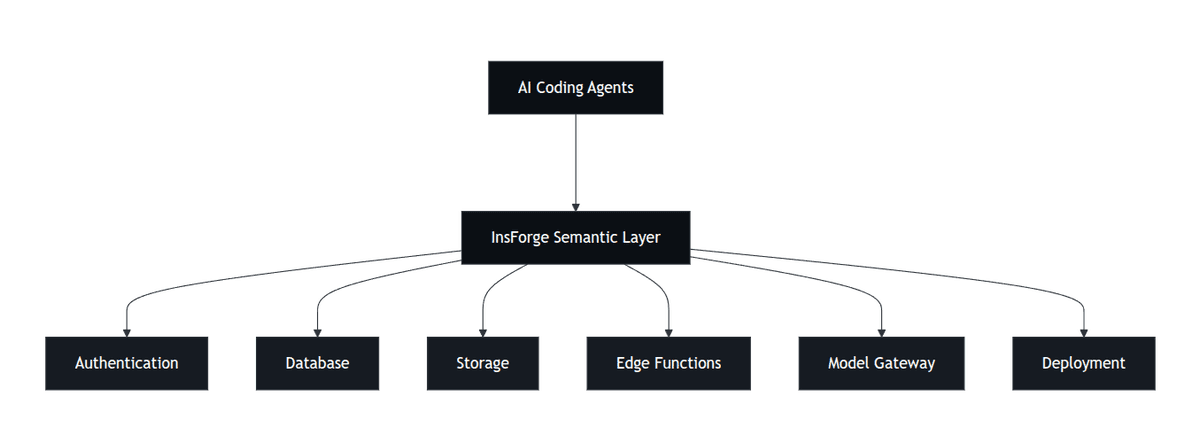
InsForge 2.0 is being introduced as infrastructure for coding agents rather than as another model wrapper. In the primary post, the pitch is concise: "backend setup still slows things down," and the new release lets agents "spin up the backend automatically." That frames the product around the part of AI app delivery that often remains manual after code generation.
The linked GitHub repository adds a little more shape. Its summary describes InsForge as an "AI-native" alternative to Supabase, focused on helping agents build and manage full-stack applications. That suggests the 2.0 story is not just database scaffolding, but a broader attempt to package backend primitives in a form agents can operate directly.
The evidence is still early and mostly comes from InsForge-linked promotion rather than a changelog or benchmark. Even so, the repo summary post points to concrete implementation signals: backend code, documentation, assets, and Docker initialization scripts are already present in the repository, which implies this is meant to be deployable software rather than a concept demo.
What is missing from the current evidence matters too. There are no API examples, latency numbers, compatibility details, or before-and-after workflow measurements in the supplied sources. For engineers, the practical takeaway is narrower: InsForge 2.0 looks aimed at removing backend scaffolding as a blocker in agent workflows, but the current public material supports the direction more clearly than it proves operational performance.
Claude can now drive macOS apps, browser tabs, the keyboard, and the mouse from Claude Cowork and Claude Code, with permission prompts when it needs direct screen access. That makes legacy desktop workflows automatable, and Anthropic is pairing the push with more background-task support for longer agent loops.
 release
OpenClaw shipped version 2026.3.22 with ClawHub, OpenShell plus SSH sandboxes, side-question flows, and more search and model options, then followed with a 2026.3.23 patch. Teams get a broader plugin surface, but should patch quickly and review plugin trust boundaries as the ecosystem grows.
 release
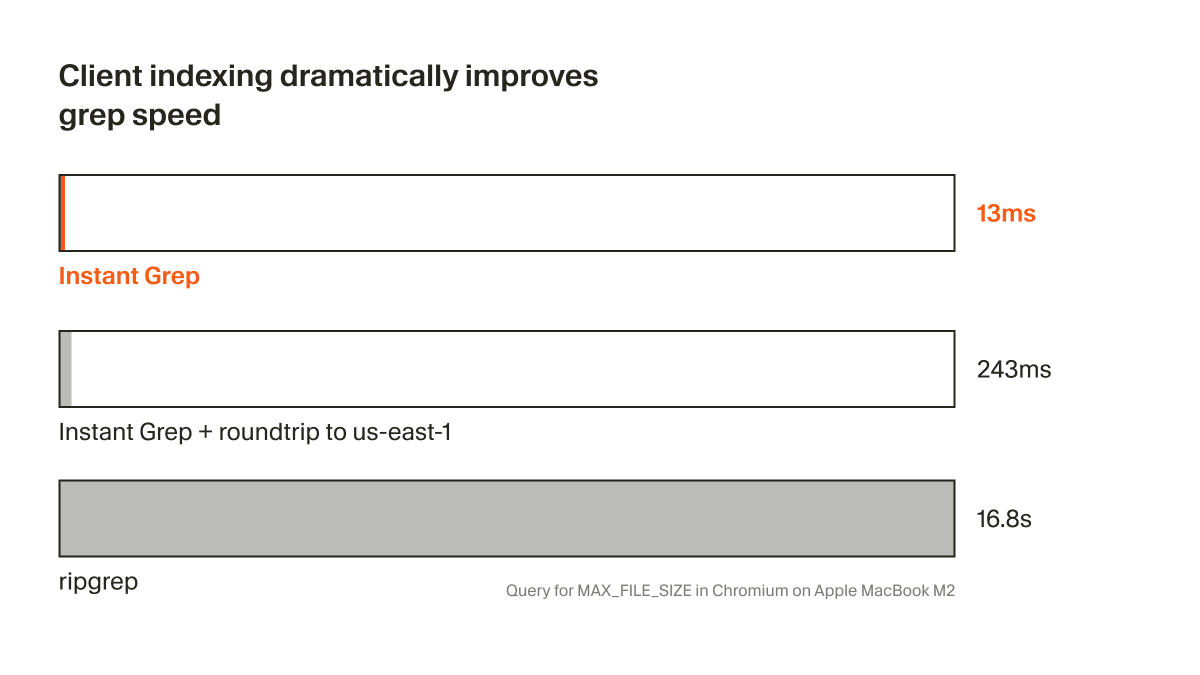
Cursor shipped Instant Grep, a local regex index built from n-grams, inverted indexes, and Bloom filters that drops large-repo searches from seconds to milliseconds. Faster candidate retrieval shortens the coding-agent loop, especially when ripgrep-style scans become the bottleneck.
 breaking
ChatGPT now saves uploaded and generated files into an account-level Library that can be reused across conversations from the web sidebar or recent-files picker. It removes repetitive re-uploading and makes past PDFs, spreadsheets, and images part of a persistent working context.
 breaking
Epoch AI says GPT-5.4 Pro elicited a publishable solution to one 2019 conjecture in its FrontierMath Open Problems set, with a formal writeup planned. Treat it as an early milestone worth reproducing, not blanket evidence that frontier models can already automate math research.
AI coding tools generate great code. But backend setup still slows things down. InsForge 2.0 from @insforge_dev lets agents spin up the backend automatically. Open-source and already 2K+ Github stars ⭐️


Introducing InsForge 2.0: The Backend for Agentic Development Our OSS backend provides databases, auth, storage, model gateway, and edge functions accessible through a context-optimized layer that agents can better understand and operate end-to-end. GitHub: