Anthropic filed two cases challenging a Pentagon-led blacklist and agency stop-use order, arguing the action retaliated against its stance on mass surveillance and autonomous weapons. Teams selling AI into government should watch the procurement and policy precedent before making long-cycle bets.
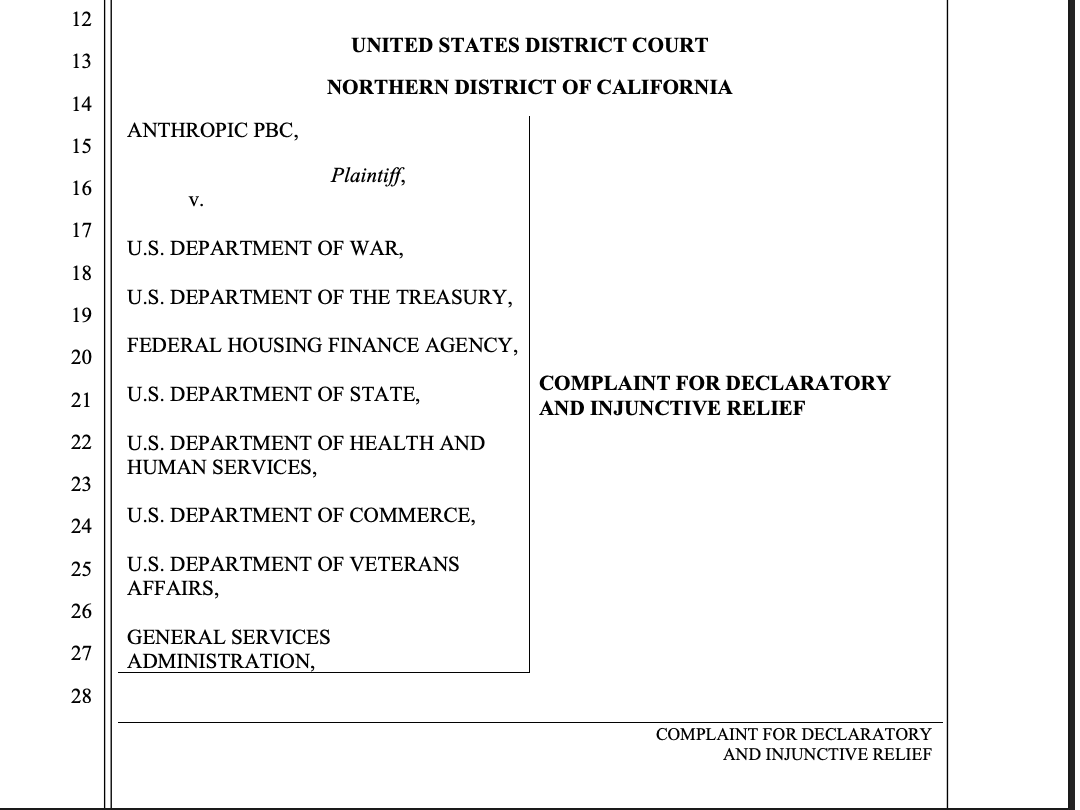
Anthropic's complaint seeks declaratory and injunctive relief against multiple agencies after the company was labeled a rare "supply chain risk" and then hit with an order to stop federal use of Claude, as shown in the filing post and summarized by the Axios-based thread. The supporting post from another reporter says Anthropic is trying to overturn both the risk designation and the separate stop-use order.
The technical detail that matters for implementers is scope. According to the reporting summary, the designation functioned like a blacklist inside government procurement and operations, requiring agencies tied to the department to cease using Claude. That makes this less a narrow policy dispute than a platform-access fight over whether an already integrated model can stay in production federal workflows.
Anthropic's public line is that it supports classified and defense use cases, including intelligence analysis, operational planning, modeling, simulation, and cyber operations, but draws a boundary at "fully autonomous weapons systems" and AI for "mass domestic surveillance," according to Amodei's statement. The lawsuit, as quoted in the filing thread, frames the government's response as punishment for that position rather than a dispute over model performance or security defects.
That distinction matters because it shifts the story from model safety rhetoric to deployment precedent. If Anthropic's account in the complaint summary is accurate, the government used supply-chain and procurement tools usually associated with operational risk to force a policy outcome. For teams building on foundation models in regulated environments, that would mean vendor viability can turn on acceptable-use boundaries as much as latency, price, or capability.
Anthropic's Opus 4.6 system card shows indirect prompt injection attacks can still succeed 14.8% of the time over 100 attempts. Treat browsing agents and prompt secrecy as defense-in-depth problems, not solved product features.
 release
OpenClaw shipped version 2026.3.22 with ClawHub, OpenShell plus SSH sandboxes, side-question flows, and more search and model options, then followed with a 2026.3.23 patch. Teams get a broader plugin surface, but should patch quickly and review plugin trust boundaries as the ecosystem grows.
 release
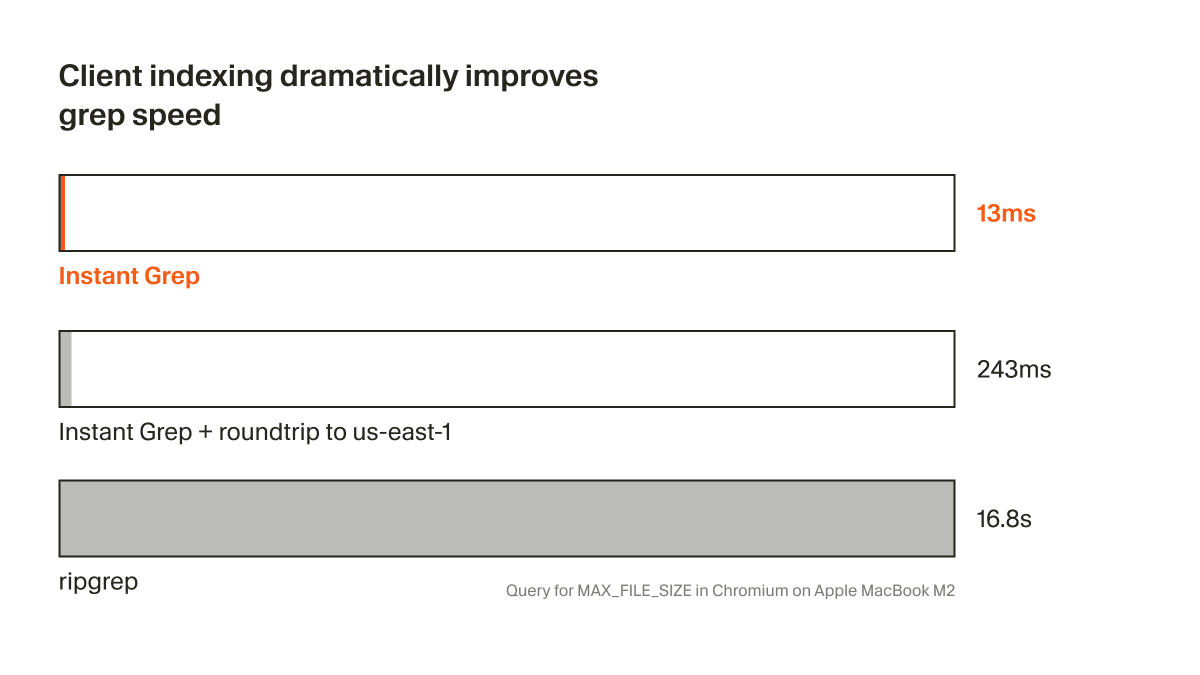
Cursor shipped Instant Grep, a local regex index built from n-grams, inverted indexes, and Bloom filters that drops large-repo searches from seconds to milliseconds. Faster candidate retrieval shortens the coding-agent loop, especially when ripgrep-style scans become the bottleneck.
 breaking
ChatGPT now saves uploaded and generated files into an account-level Library that can be reused across conversations from the web sidebar or recent-files picker. It removes repetitive re-uploading and makes past PDFs, spreadsheets, and images part of a persistent working context.
 breaking
Epoch AI says GPT-5.4 Pro elicited a publishable solution to one 2019 conjecture in its FrontierMath Open Problems set, with a formal writeup planned. Treat it as an early milestone worth reproducing, not blanket evidence that frontier models can already automate math research.
NEW: Anthropic just filed two lawsuits against the U.S. government 👀 The complaint: "The Constitution does not allow the government to wield its enormous power to punish a company for its protected speech." It also says officials are "seeking to destroy the economic value Show more

🤖 From this week's issue: Anthropic's Dario Amodei publicly refuses Department of War demands to remove AI safeguards on mass domestic surveillance and fully autonomous weapons. anthropic.com/news/statement…


