LangChain published a free course on taking agents from first run to production-ready systems with LangSmith loops for observability and evals. The timing lines up with new NVIDIA integration messaging, so teams can study process and stack choices together.
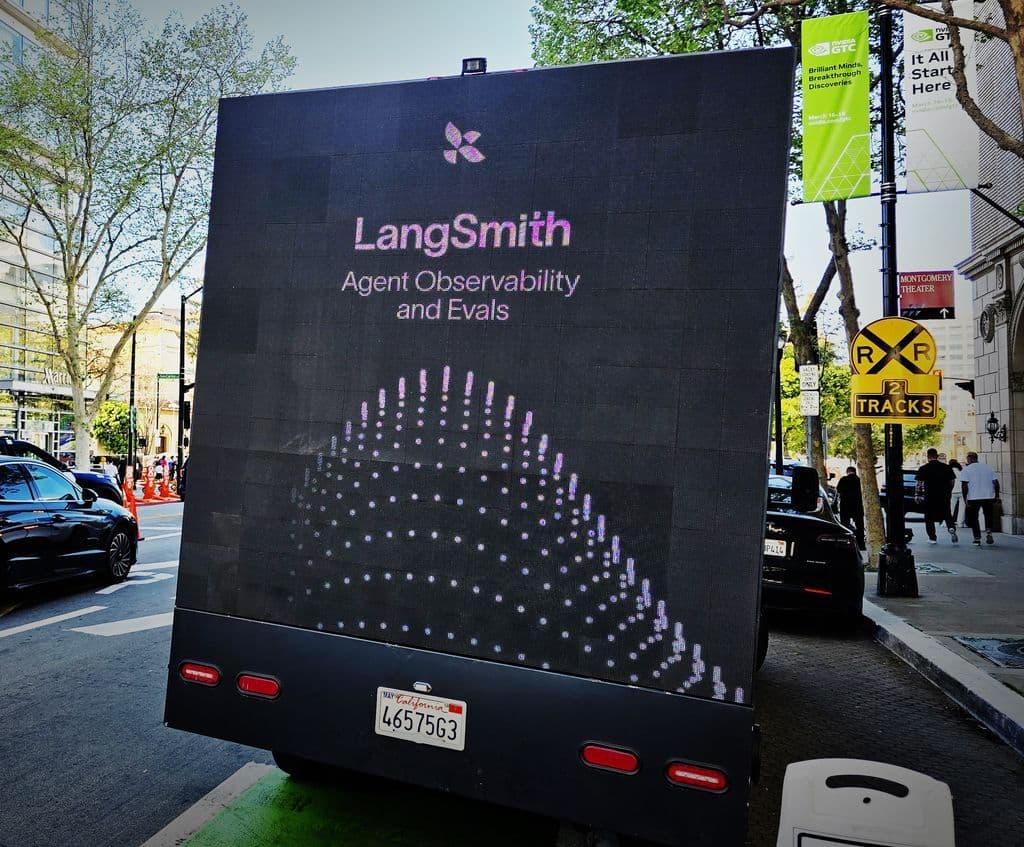
LangChain’s pitch is narrower than a general intro to agents. The new course is about reliability engineering for agent systems: how to move from an initial prototype into a production workflow through repeated observe-evaluate-improve cycles in LangSmith. The announcement explicitly frames the problem as operating software built on “non-deterministic models,” where failures do not reduce to a single bad code path and where “tool use” and “real user traffic” complicate debugging course video.
That matters because the course is not just teaching prompt design. LangChain says teams will learn to use LangSmith as an “agent engineering platform” for observation, evaluation, and deployment LangSmith workflow. In parallel, LangChain has been boosting ecosystem projects that fit the same production theme, including EPI spotlight on a “Flight Recorder for AI Agents” that captures executions into signed trace files, and diagnostics spotlight on an “intelligent diagnostic layer” for scikit-learn model failures.
The timing suggests LangChain wants the course to land as process guidance for a larger deployment story. In its GTC recap, the company said its enterprise agentic AI platform is built with NVIDIA: LangGraph and Deep Agents plug into NVIDIA tooling, agents can use “Nemotron 3 models deployed with NIM microservices,” NeMo Guardrails handles security controls for agentic apps, NeMo Agent Toolkit is used for optimization, and LangSmith provides monitoring and observability NVIDIA integration.
That pairing gives engineers two layers at once: the course explains how to build “reliable agents,” while the GTC post sketches the reference stack LangChain wants those agents to run on. LangChain also used the week to signal ecosystem momentum, saying from Jensen Huang’s keynote that its frameworks have crossed “1B downloads” downloads claim.
Vercel Emulate added a programmatic API for creating, resetting, and closing local GitHub, Vercel, and Google emulators inside automated tests. That makes deterministic integration tests easier to wire into CI and agent loops without manual setup.
 release
OpenClaw shipped version 2026.3.22 with ClawHub, OpenShell plus SSH sandboxes, side-question flows, and more search and model options, then followed with a 2026.3.23 patch. Teams get a broader plugin surface, but should patch quickly and review plugin trust boundaries as the ecosystem grows.
 release
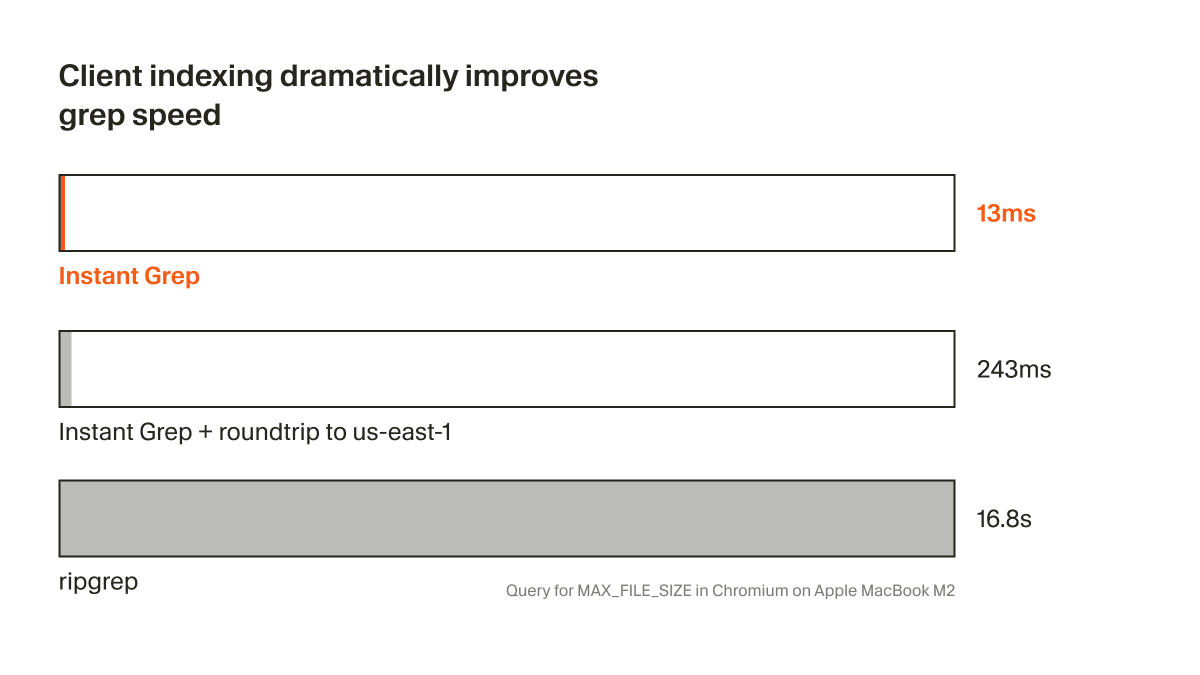
Cursor shipped Instant Grep, a local regex index built from n-grams, inverted indexes, and Bloom filters that drops large-repo searches from seconds to milliseconds. Faster candidate retrieval shortens the coding-agent loop, especially when ripgrep-style scans become the bottleneck.
 breaking
ChatGPT now saves uploaded and generated files into an account-level Library that can be reused across conversations from the web sidebar or recent-files picker. It removes repetitive re-uploading and makes past PDFs, spreadsheets, and images part of a persistent working context.
 breaking
Epoch AI says GPT-5.4 Pro elicited a publishable solution to one 2019 conjecture in its FrontierMath Open Problems set, with a formal writeup planned. Treat it as an early milestone worth reproducing, not blanket evidence that frontier models can already automate math research.
💫 New LangChain Academy Course: Building Reliable Agents 💫 Shipping agents to production is hard. Traditional software is deterministic – when something breaks, you check the logs and fix the code. But agents rely on non-deterministic models. Add multi-step reasoning, tool Show more
And that's a wrap on GTC week! - We announced our enterprise agentic AI Platform built with NVIDIA. LangGraph and Deep Agents plug directly into NVIDIA's tooling. You can build agents with the latest Nemotron 3 models deployed with NIM microservices, apply NeMo Guardrails for Show more