LangChain rebranded Agent Builder to Fleet and added agent identity, memory, sharing controls, and LangSmith tracing for multi-user agent operations. It gives teams a governed way to deploy Slack- and GitHub-connected agents without stitching auth and auditing together by hand.
Fleet is a rebrand of Agent Builder, but the launch comes with a more opinionated enterprise packaging around multi-user agents. LangChain's launch post lists the core controls: natural-language agent creation, sharing permissions over who can “edit, run, or clone,” agent-specific authentication, human approval gates, and tracing through LangSmith Observability. The product video Fleet demo shows those controls inside a web workspace rather than as a loose collection of SDK features.
The companion feature thread adds details that matter for implementation. Fleet agents keep their own memory, can access “a collection of tools and skills,” and can be exposed through channels teams already use. LangChain also says the release includes credential management with “Claws” and “Assistants,” Google-Docs-style sharing controls, and custom Slack bots so each agent has its own identity in Slack. The product is live in the Fleet app, with a longer overview in the announcement post.
The clearest technical pitch is that Fleet wraps several hard production problems into one control plane. In the design thread, LangChain argues that agent deployments need an identity and security model “that reflect that” work is specified by humans but executed by agents, plus tooling for self-improvement, memory, evals, and external-system context engineering. That is a shift from single-user copilots toward long-lived agents with permissions, state, and measurable behavior over weeks or months.
LangChain is also framing observability as a distinct requirement rather than a logging add-on. The observability post says “you don't know what your agent will do until it's in production,” and that production monitoring for agents needs capabilities different from traditional software. Fleet's promise to audit actions inside LangSmith fits that framing: the product is less about spinning up one more bot and more about giving teams governed access, traceability, and channel-specific identities without hand-stitching auth and audit flows.
OpenAI described an internal system that uses its strongest models to review almost all coding-agent traffic for misalignment and suspicious behavior. It is a sign that powerful internal agents may need continuous oversight, not just pre-deployment policy checks.
 release
OpenClaw shipped version 2026.3.22 with ClawHub, OpenShell plus SSH sandboxes, side-question flows, and more search and model options, then followed with a 2026.3.23 patch. Teams get a broader plugin surface, but should patch quickly and review plugin trust boundaries as the ecosystem grows.
 release
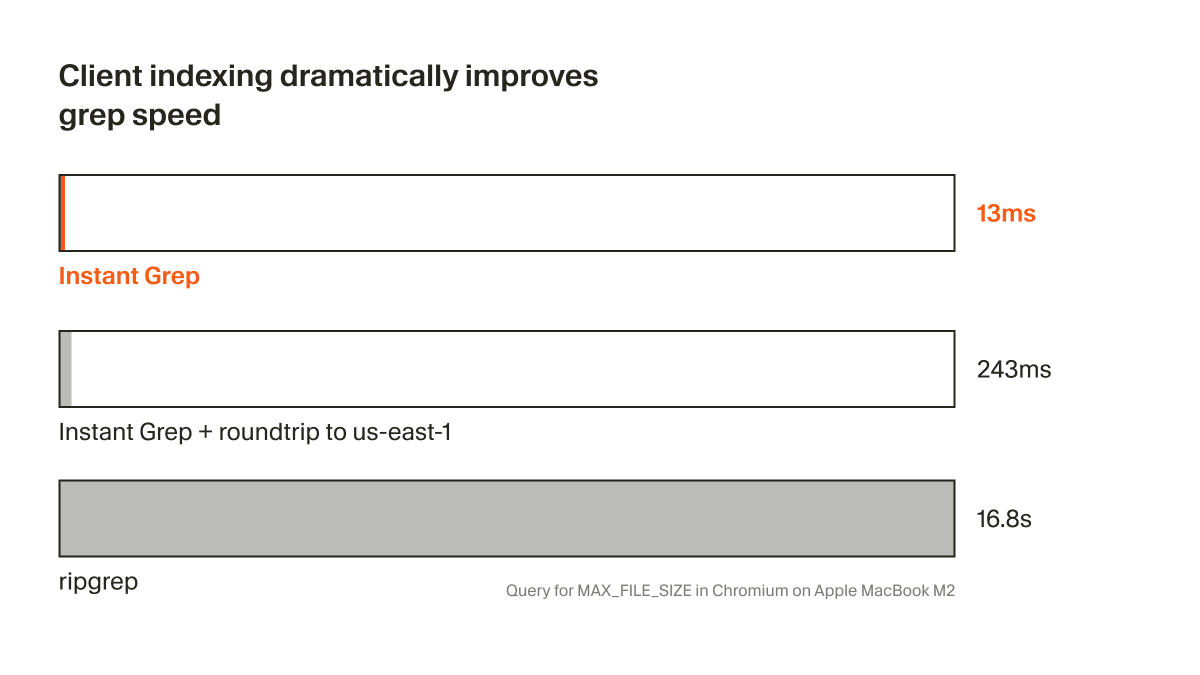
Cursor shipped Instant Grep, a local regex index built from n-grams, inverted indexes, and Bloom filters that drops large-repo searches from seconds to milliseconds. Faster candidate retrieval shortens the coding-agent loop, especially when ripgrep-style scans become the bottleneck.
 breaking
ChatGPT now saves uploaded and generated files into an account-level Library that can be reused across conversations from the web sidebar or recent-files picker. It removes repetitive re-uploading and makes past PDFs, spreadsheets, and images part of a persistent working context.
 breaking
Epoch AI says GPT-5.4 Pro elicited a publishable solution to one 2019 conjecture in its FrontierMath Open Problems set, with a formal writeup planned. Treat it as an early milestone worth reproducing, not blanket evidence that frontier models can already automate math research.
Introducing LangSmith Fleet. Agents for every team. → Build agents with natural language → Share and control who can edit, run, or clone each agent → Manage authentication with agent identity → Approve actions with human-in-the-loop → Track and audit actions with tracing in Show more
New York Meetup 🗽 It Worked on My Laptop: Agents in Production Unlike traditional software, you don't know what your agent will do until it's in production. This means that production monitoring for agents requires different capabilities than traditional observability. Agents Show more

New York Meetup 🗽 It Worked on My Laptop: Agents in Production Unlike traditional software, you don't know what your agent will do until it's in production. This means that production monitoring for agents requires different capabilities than traditional observability. Agents Show more
We’re launching LangSmith Fleet today! There are some primitives in Fleet that I think will be very useful in a future where agents do a lot of the world’s work - Agent Identity: as more work is specified by humans but done by agents, we need identity + security models that Show more

Introducing LangSmith Fleet: an enterprise workspace for creating, using, and managing your fleet of agents. Fleet agents have their own memory, access to a collection of tools and skills, and can be exposed through the communication channels your team uses every day. Fleet