Firecrawl’s new /interact endpoint lets agents click, fill, scroll, and keep live browser sessions right after /scrape. It shortens the path from page extraction to web automation, but Playwright remains the better fit when you need deterministic full-session control.
/interact as a follow-on to /scrape, letting agents take browser actions in natural language so they can "click, fill, scroll" and pull deeper web data from the same page flow, according to the launch thread./interact as the fast path for post-scrape automation, while also drawing a clear boundary: if you need "full browser control," the company says to use Playwright code instead./interact run gets a live shareable browser URL, and "persistent profiles" mean agents can log in once and resume without re-authenticating, per the feature thread.The new endpoint shortens the jump from extraction to automation. Firecrawl's launch thread describes the sequence as: first /scrape a page, then call /interact to perform actions with natural language. The practical change is that browsing and extraction no longer look like separate toolchains when an agent needs to go beyond static HTML.
Firecrawl says agents can "click, fill, scroll" to reach "deep web data" that would normally require a browser session launch thread. A supporting repost from Nick Scamara's demo adds that the same step can also be driven with code, not just natural-language instructions, which matters for teams that want an easier path first and more explicit control later.
Firecrawl is unusually direct about the tradeoff. In the product thread, it says teams needing "full browser control" should use Playwright code instead, even though it runs in the "same page, same session." The screenshot in that post shows a code-based app.interact call that clicks #next-page, waits for networkidle, then extracts the new page's title and article body interact docs.
That makes /interact look less like a Playwright replacement than a higher-level entry point: start with natural-language actions when the task is simple, then drop to code when determinism and exact page handling matter. Firecrawl also says every browser session has a live URL you can embed or share, and that persistent profiles preserve login state between runs feature thread.
Claude can now drive macOS apps, browser tabs, the keyboard, and the mouse from Claude Cowork and Claude Code, with permission prompts when it needs direct screen access. That makes legacy desktop workflows automatable, and Anthropic is pairing the push with more background-task support for longer agent loops.
 breaking
Malicious LiteLLM 1.82.7 and 1.82.8 releases executed .pth startup code to steal credentials and were quarantined after disclosure. Rotate secrets, audit transitive AI-tooling dependencies, and add package-age controls before letting agents install packages autonomously.
 breaking
TurboQuant claims 6x KV-cache memory reduction and up to 8x faster attention on H100s without retraining or quality loss on long-context tasks. If those results hold in serving stacks, teams should revisit long-context cost, capacity, and vector-search design.
 release
OpenCode is adding remote sandboxes, synced state across laptop, server, and cloud, and more product surface inside its plugin system. That makes long-running off-laptop workflows more practical, but operators should still review telemetry, sandbox, and exposure defaults.
 release
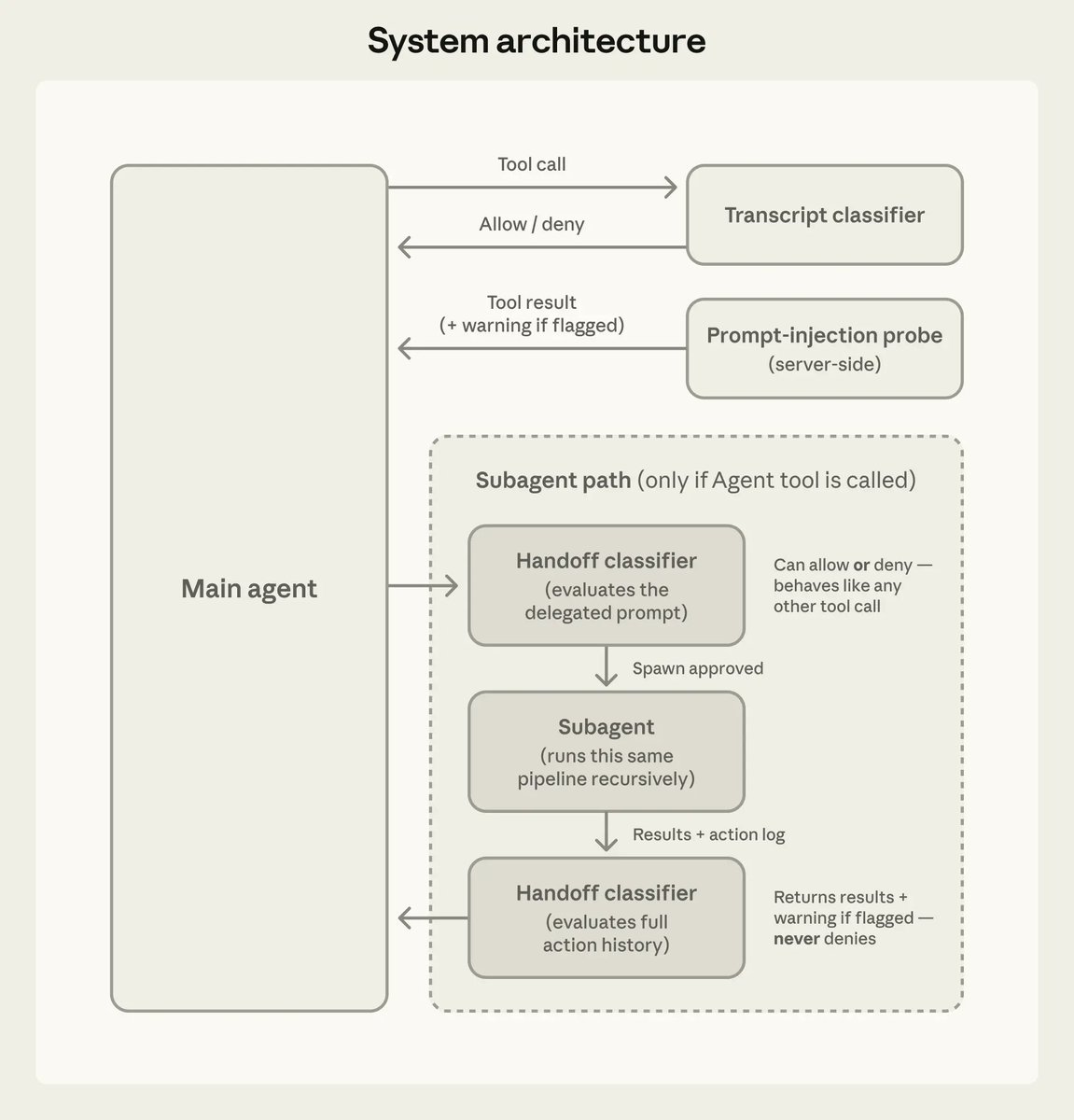
Claude Code 2.1.84 adds an opt-in PowerShell tool, new task and worktree hooks, safer MCP limits, and better startup and prompt-cache behavior. Anthropic also documented auto mode’s action classifier and added iMessage as a channel, so teams should review permissions and remote-control workflows.
Need full browser control? Use Playwright code instead. Same page, same session.

Our Discord Office Hours are live 🔥 Join now for a chance to win prizes, connect with our team, and ask any questions you have about building with Firecrawl 👇